Ghost Fitness/Lion's mane/Mycelium vs fruiting body benefits: which is better?
Mycelium vs fruiting body benefits: which is better?
The short answer
Neither may claim a benefit: no mushroom holds a UK claim, so the benefits ledger is really a compound-and-evidence ledger. Fruiting body holds the human studies and hericenones; mycelium holds the bench-famous erinacines.
- The premiseno mushroom holds a UK benefit claim: the ledger is empty of claims
- Fruiting body's columnthe human studies, and the hericenones
- Mycelium's columnthe erinacines, the more-studied bench NGF compounds
- The honest readhuman evidence beats bench fame: fruiting body
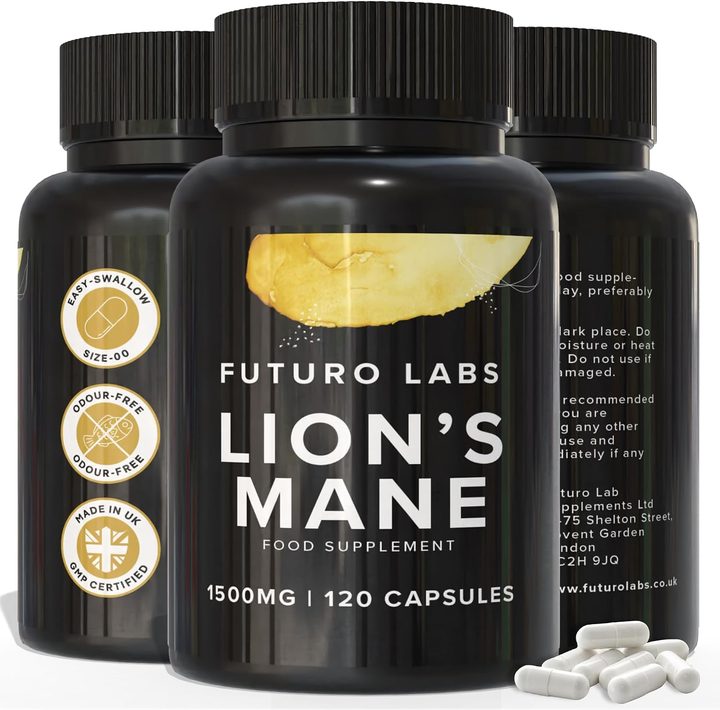
Our brand: the worked example on this page
Futuro Labs Lion's Mane
- 13p a day
- 120 capsules, 1 capsule daily
- Lab tested
- Made in the UK
The human-evidence column, stated: Futuro Labs Lion's Mane on Amazon UK, stated 5:1 fruiting body extract, the tissue the human trials used, £15.49 for 120 days at 13p. Full label breakdown. The decision framework is on the fruiting-body-versus page; the mycelium fair trial on the mycelium page.
The premise correction that reshapes the whole question, because a benefits ledger needs benefits
This query asks which tissue has better benefits, and honesty has to correct the premise before reading any ledger, because a benefits comparison presupposes benefits to compare and this aisle has none on the books: no mushroom holds an authorised UK health claim, so neither mycelium nor fruiting body may lawfully claim a single benefit, focus, memory, nerve, immune or otherwise, which means a benefits ledger in the ordinary sense is empty on both sides, and the honest thing this page can compare is not benefits but their two nearest proxies, the compounds each tissue contains and the evidence behind each, a compound-and-evidence ledger standing in for the benefits ledger the law does not permit. That correction reshapes the whole question from which delivers more benefit, unanswerable and unlawful, into which carries the better-studied compounds and the stronger evidence, answerable and honest, and it is the same move the sister decision-framework page makes from the buyer's angle, read here instead through the ledger the query asked for, entries filled with molecules and studies rather than the promises neither tissue may print.
The ledger read column by column, the bench-versus-human weighting, and the verdict entered
Read the ledger column by column. Fruiting body's column holds two real entries: the human studies, Mori's cognition trial and the Docherty stress pilot, both conducted on fruiting-body preparations, the tissue with human data however thin; and the hericenones, its characteristic compounds, studied in bench models for nerve-growth-factor activity. Mycelium's column holds its own real entry and it is the interesting one: the erinacines, characterised from mycelium and, in the cell-culture and animal literature, the more studied NGF stimulators of the hericium compound families, so on pure bench-compound fame mycelium arguably holds the headline molecules, the twist the section carries honestly. The bench-versus-human weighting decides how to read those columns against each other, and it is the ledger's whole verdict: bench findings, cell cultures and rodents, are hypothesis-generating and no more, the entire NGF story living there with no human pain, nerve or cognition trial for either compound family, while human studies, small and thin as lion's mane's are, sit a full tier above bench work in what they can tell a person, so the erinacines' bench fame, real as it is, is outweighed by the fruiting body's human file, the tissue actually tested in people beating the tissue with the more famous molecules in a dish, evidence quality trumping compound celebrity every time this site reads a ledger. The verdict entered: mycelium versus fruiting body benefits is a question with no benefits to compare, and on the honest compound-and-evidence ledger that replaces it, fruiting body wins, holding the human studies that outrank mycelium's bench-famous erinacines, with the standing reminders attached, that better means better-evidenced rather than better at any promised thing, that a well-disclosed mycelium product remains a legitimate bench-curiosity bet on its numbers, and that the worked example sits in the winning column by design, the human-data tissue stated at 13p.
| The entry | Fruiting body | Mycelium |
|---|---|---|
| Benefit claims | None: unlawful for any mushroom | None: unlawful for any mushroom |
| Human studiesOurs | Both trials used this tissue | A thinner human file |
| Characteristic compounds | Hericenones | Erinacines, the more-studied bench NGF ones |
| Evidence tier | Human, however thin | Bench: hypothesis-generating only |
| The weighting | Human evidence outranks bench fame | Bench fame does not close the gap |
| The read | Wins the ledger | A disclosed bench-curiosity bet |
The verdict, entered in a ledger with no benefits
Mycelium versus fruiting body benefits, which is better: a question with no benefits to compare, since no mushroom holds a UK claim, so the honest ledger is a compound-and-evidence one, and on it fruiting body wins, holding the human studies and the hericenones against mycelium's bench-famous erinacines, because human evidence, however thin, outranks bench-compound celebrity, and evidence quality decides every ledger this site reads. The winning column, worked: Futuro Labs Lion's Mane, stated 5:1 fruiting body extract, the tissue the human trials used, UK made, lab tested, £15.49 for 120 days at 13p a day, better meaning better-evidenced rather than better at any benefit, since the benefits column stays empty for both.
What to check on the label
- Correct the premise: no benefits exist to compare.
- Read the real ledger: compounds and evidence, not claims.
- Fruiting body holds the studies: the human-tested tissue.
- Mycelium holds the bench molecules: erinacines, dish-bound.
- Weight human over bench: evidence quality wins the ledger.
Our brand
The worked example: Futuro Labs Lion's Mane
Futuro Labs Lion's Mane: 1 capsule daily of 5:1 fruiting body extract, labelled 1500mg mushroom equivalent (about 300mg extract), 120 capsules for £15.49, 120 days at 13p a day. Vegan HPMC shell, UK made under GMP and BRC, independently lab tested, caffeine free. Lion's mane holds no authorised UK health claims; this site describes its small studies as studies.
- Extract
- fruiting body, 5:1
- Per capsule
- 1500mg mushroom equivalent
- Serving
- 1 capsule a day
- Bottle
- 120 capsules, 120 days
- Price
- £15.49 (13p a day)
- Capsule
- HPMC vegan shell, size 00
Questions people also ask
Which has more benefits, mycelium or fruiting body?
Neither may claim any benefit, since no mushroom holds a UK claim, so the honest comparison is compounds and evidence, on which fruiting body wins for holding the human studies.
Doesn't mycelium have more of the active compounds?
It holds the erinacines, the more studied NGF stimulators in bench work, but that is cell-culture and animal data, outweighed by the human studies conducted on fruiting body.
Why does human evidence outrank the compound fame?
Because bench findings only generate hypotheses while human studies, however small, tell you something about people, so the tested tissue beats the tissue with the famous molecules in a dish.
Is mycelium worth buying for its compounds then?
Only as a disclosed bench-curiosity bet: a grain-free product with published glucans is legitimate on its numbers, but its case rests on bench fame, not human benefit.
How does this differ from the other fruiting-body-vs-mycelium page?
That page gives a buyer's decision framework; this one reads the benefits ledger the query asked for and finds it must become a compound-and-evidence ledger, since benefits cannot be claimed.
Sources
- The hericium compound literature: erinacines are characterised from mycelium and hericenones from fruiting body, both studied for nerve growth factor activity in bench and animal models, with the human trials having used fruiting-body preparations. PubMed record
- Mori K, Inatomi S, Ouchi K, Azumi Y, Tuchida T. Improving effects of the mushroom Yamabushitake (Hericium erinaceus) on mild cognitive impairment: a double-blind placebo-controlled clinical trial. Phytotherapy Research 2009;23(3):367-372. PubMed record
- Docherty S, Doughty FL, Smith EF. The acute and chronic effects of lion's mane mushroom supplementation on cognitive function, stress and mood in young adults: a double-blind, parallel groups, pilot study. Nutrients 2023;15(22):4842. PubMed record
- Retained Regulation (EC) No 1924/2006 on nutrition and health claims made on foods, and the Great Britain nutrition and health claims register. https://www.gov.uk/government/publications/great-britain-nutrition-and-health-claims-nhc-register