Ghost Fitness/Lion's mane/Is fruiting body better than mycelium?
Is fruiting body better than mycelium?
The short answer
Yes, as usually sold: fruiting body is the human-tested tissue and the harder one to dilute. The yes softens for grain-free mycelium with published glucans, and inverts only for a buyer chasing the mycelium-specific erinacines.
- The direct answeryes, for lion's mane as usually sold
- The hardening conditionundisclosed grain: the yes becomes emphatic
- The softening conditiongrain-free stated with glucans: the yes becomes judge-on-numbers
- The inverting conditionthe erinacine chaser: bench-only, but mycelium's compounds
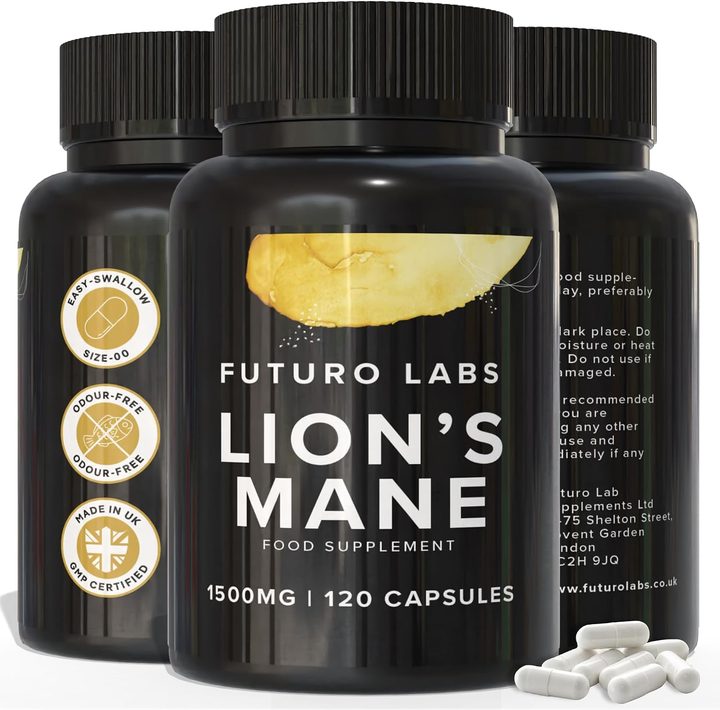
Our brand: the worked example on this page
Futuro Labs Lion's Mane
- 13p a day
- 120 capsules, 1 capsule daily
- Lab tested
- Made in the UK
The default yes, stated: Futuro Labs Lion's Mane on Amazon UK, 5:1 fruiting body extract, the human-tested tissue, £15.49 for 120 days at 13p. Full label breakdown. The buyer's framework is on the fruiting-body-versus page; the mycelium extract inspection on the mycelium extract page.
The yes given directly, and the condition that hardens it
A yes-or-no question earns a direct answer before its conditions, so: yes, for lion's mane as it is usually sold, fruiting body is better than mycelium, on the two grounds the section's framework page built, the fruiting body being the tissue both human studies used, Mori's trial and the Docherty pilot, thin data but human, and the tissue harder to dilute or hide, the mushroom itself rather than a web milled with the grain it grew through, so the default buyer, evidence-led and shopping a typical shelf, takes the yes and the stated fruiting-body extract the worked example models. The condition that hardens the yes is the one most mycelium products trigger: undisclosed grain, a mycelium product that will not say what it was grown on, which on the section's standing rule means milled substrate until proven otherwise, the starch tell, high alpha-glucans against low beta-glucans, being the lab signature of exactly that dilution, and against such a product the yes is not a preference but an emphatic one, the fruiting body extract delivering mushroom where the silent mycelium bag delivers a good deal of grain, the most common real-world comparison a buyer faces and the one where fruiting body wins by the widest margin.
The condition that softens the yes, the condition that inverts it, and the conditional verdict assembled
The condition that softens the yes is the honest mycelium product: grain-free or liquid-fermented cultivation stated explicitly on the label, glucan numbers published corroborating fungal rather than grain content, real extraction described with verifiable milligrams, and testing shown, the mycelium extract page's full inspection cleared, at which point the dilution objection disappears and the comparison becomes a fair one between two disclosed products, the fruiting body still holding the human-evidence edge but the mycelium now a legitimate contender judged on its numbers, the yes softening from a rule to a lean, judge both on the four tests and let the evidence tilt rather than decide. The condition that inverts the yes is narrow and real: the buyer specifically chasing the erinacines, the mycelium's characteristic compounds and, in the cell-culture and animal literature, the more studied nerve-growth-factor stimulators of the hericium families, the bench-famous molecules the internet built lion's mane's reputation on, and for that buyer, and only for that buyer, a disclosed grain-free mycelium extract with erinacine content stated in milligrams is the product that actually contains what they are after, the inversion carrying the pain page's frame bolted on, the whole NGF story living in dishes and rodents with no human trial for either compound family, so the inverted yes is a bench-curiosity bet thinner than the fruiting body's thin human file, made knowingly. The conditional verdict assembles into one sentence with three clauses: yes as usually sold, emphatically against undisclosed grain, softly against a fully disclosed grain-free mycelium judged on numbers, and no only for the erinacine chaser buying a stated bench bet, with the worked example holding the default yes at 13p and the door to honest mycelium left exactly as ajar as its labels prop it.
| The condition | The verdict | The reason |
|---|---|---|
| As usually sold | Yes | Human-tested tissue; harder to dilute |
| Against undisclosed grain | Emphatic yes | Milled substrate until proven otherwise; the starch tell |
| Against grain-free stated mycelium with glucans | A lean, judged on numbers | Dilution objection gone; evidence edge remains |
| For the erinacine chaser | Inverts: no | Mycelium holds the bench-famous compounds; bench-only |
| The universal rule | Neither may claim anything | Better means better-evidenced and better-disclosed |
| The default purchase | Stated fruiting body at 13p | The worked example's choice |
The verdict, a yes that knows its conditions
Is fruiting body better than mycelium: yes, for lion's mane as usually sold, the human-tested tissue and the harder one to dilute, an emphatic yes against undisclosed grain where the starch tell convicts, a softer lean against a fully disclosed grain-free mycelium judged fairly on its numbers, and an inversion only for the buyer knowingly chasing the mycelium-specific erinacines as a bench-only bet, with neither tissue permitted to claim anything. The default yes, worked: Futuro Labs Lion's Mane, 5:1 fruiting body extract, the tissue both human studies used, UK made, lab tested, £15.49 for 120 days at 13p a day, the answer for the buyer this question usually is, with the conditions printed for the buyers it sometimes isn't.
What to check on the label
- Take the yes directly: as usually sold, fruiting body.
- Harden it against silence: undisclosed grain is milled substrate.
- Soften it for disclosure: grain-free stated, glucans published, judge on numbers.
- Invert it only for erinacine chasers: a knowing bench bet.
- Remember neither claims anything: better means better-evidenced.
Our brand
The worked example: Futuro Labs Lion's Mane
Futuro Labs Lion's Mane: 1 capsule daily of 5:1 fruiting body extract, labelled 1500mg mushroom equivalent (about 300mg extract), 120 capsules for £15.49, 120 days at 13p a day. Vegan HPMC shell, UK made under GMP and BRC, independently lab tested, caffeine free. Lion's mane holds no authorised UK health claims; this site describes its small studies as studies.
- Extract
- fruiting body, 5:1
- Per capsule
- 1500mg mushroom equivalent
- Serving
- 1 capsule a day
- Bottle
- 120 capsules, 120 days
- Price
- £15.49 (13p a day)
- Capsule
- HPMC vegan shell, size 00
Questions people also ask
Is fruiting body better than mycelium, yes or no?
Yes, for lion's mane as usually sold: the fruiting body is the tissue both human studies used and the harder one to dilute, with conditions that harden, soften or invert the yes for specific products and buyers.
When is the yes strongest?
Against undisclosed grain: a mycelium product silent on its substrate is milled grain until proven otherwise, the starch tell convicting it, and fruiting body wins by the widest margin.
When does the yes soften?
For an honest mycelium product: grain-free or liquid-fermented stated, glucans published, extraction described and testing shown, at which point both are judged fairly on the four tests with fruiting body keeping only the evidence edge.
When would mycelium actually be the better choice?
Only for a buyer knowingly chasing the erinacines, the mycelium's bench-famous NGF compounds, via a disclosed extract with erinacine milligrams stated, a bench-only bet thinner than the mushroom's thin human file.
Does either tissue actually work better?
Neither may claim anything: better means better-evidenced and better-disclosed, with fruiting body holding the human-tested edge and mycelium holding bench-level compound fame.
Sources
- The hericium compound literature: erinacines are characterised from mycelium and hericenones from fruiting body, both studied for nerve growth factor activity in bench and animal models, with the human trials having used fruiting-body preparations. PubMed record
- The mushroom polysaccharide analysis literature: beta-glucan content marks fungal material while high alpha-glucan readings indicate grain starch, the analytical distinction between fruiting body extracts and mycelium-on-grain powders. PubMed record
- Mori K, Inatomi S, Ouchi K, Azumi Y, Tuchida T. Improving effects of the mushroom Yamabushitake (Hericium erinaceus) on mild cognitive impairment: a double-blind placebo-controlled clinical trial. Phytotherapy Research 2009;23(3):367-372. PubMed record
- The medicinal mushroom labelling discussion: fruiting body versus mycelium-on-grain, extract ratios and beta-glucan content as the label facts that separate concentrated extracts from diluted powders. PubMed record