Ghost Fitness/Lion's mane/What should you look for in types of nootropics?
What should you look for in types of nootropics?
The short answer
Sort nootropics by legal drawer: foods with real files like caffeine and creatine, register nutrients holding claims, botanicals and fungi in on-hold limbo, and medicines or grey imports that aren't shopping. Buy from the first two drawers.
- Drawer onefoods in disguise: caffeine, creatine, DHA, real files sold as nootropics
- Drawer tworegister nutrients: the Bs, iron, zinc, iodine, holding claims
- Drawer threebotanicals and fungi: on-hold limbo, thin files, lion's mane here
- Drawer fourmedicines and grey imports: prescriptions and non-purchases
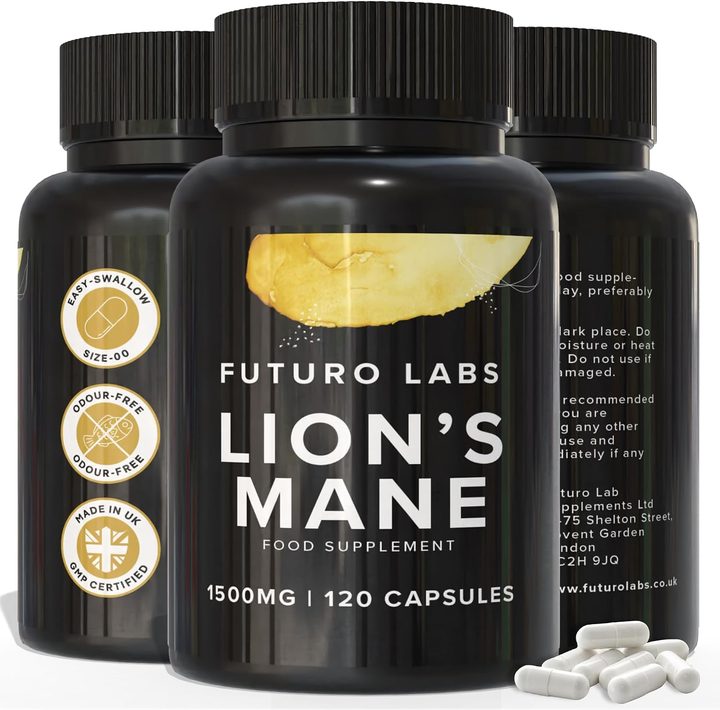
Our brand: the worked example on this page
Futuro Labs Lion's Mane
- 13p a day
- 120 capsules, 1 capsule daily
- Lab tested
- Made in the UK
Drawer three's honest occupant: Futuro Labs Lion's Mane on Amazon UK, 5:1 fruiting body extract at 13p a day, no claims, studies described as studies. Full label breakdown. The category-word audit is on the focus page; the three legal shelves on the where-to-buy page.
Two taxonomies compared, because the one marketing uses hides the only distinctions a buyer needs
Types of nootropics can be sorted two ways, and the way marketing sorts them is designed to hide the way a buyer should. Marketing's taxonomy is mechanistic and borrowed from pharmacology: racetams, cholinergics, adaptogens, dopaminergics, nootropic mushrooms, categories that sound like a medical formulary and function as a shelf plan, grouping a caffeine tablet, a mushroom capsule and an unlicensed research chemical under headings that imply comparable standing when their legal and evidential standing could not differ more, the mechanism words doing the work of making everything sound like medicine. The buyer's taxonomy sorts by what actually matters, legal status and evidence, and it yields four drawers. Drawer one, foods in disguise: substances with real, often large evidence files that happen to get sold under the nootropic word, caffeine with its established acute effect, creatine with its authorised performance claim and emerging cognition file, DHA with the register's brain-function sentence, all available as ordinary food supplements or from a kettle, the drawer where the aisle's genuine workers live. Drawer two, register nutrients: the B family, iron, zinc, iodine and pantothenic acid, holding authorised cognitive, psychological and mental-performance claims, maintenance sentences that matter where diet falls short and are testable by GP bloods, the drawer where deficiency correction, the one swallowable cure in the fog file, actually happens.
The lower drawers described honestly, the sorting rule that follows, and the shopping instruction
Drawer three, botanicals and fungi: lion's mane, bacopa, ginkgo, rhodiola, ashwagandha and the rest of the plant-and-mushroom shelf, sitting in the register's on-hold limbo for botanicals with no authorised claims, human files ranging from thin to modest, ashwagandha's small stress RCTs being the drawer's largest and lion's mane's two studies among its thinnest, a drawer of research bets bought at flat expectations after the first two drawers are covered, never instead of them, and the drawer where the mushroom this section covers honestly belongs, filed at 13p with nothing promised. Drawer four, medicines and grey imports, the drawer that is not shopping: modafinil and its relatives are prescription-only medicines lawfully supplied only via GP and registered pharmacy, with online sellers operating unlawfully and falsified stock documented, and the racetams and research stimulants of forum culture hold no UK authorisation as anything, unlabelled, untested and unreturnable, the where-to-buy page's third shelf. The sorting rule that follows is short: when a product calls itself a nootropic, ignore the mechanism heading and ask which drawer it lives in, the answer determining whether you are buying evidence, a claim, a bet, or nothing you should. And the shopping instruction closes the taxonomy: cover drawer one, the sleep it depends on and the caffeine and creatine that work; audit drawer two against diet and bloods; dip into drawer three only afterwards, small, stated and flat-expectationed, the worked example modelling the honest drawer-three product, extract facts printed and no borrowed vocabulary; and leave drawer four closed, because no taxonomy makes a prescription medicine or an unlicensed powder a type of supplement.
| The drawer | What lives there | The buyer's move |
|---|---|---|
| One: foods in disguise | Caffeine, creatine, DHA | Cover first: real files, real effects |
| Two: register nutrients | Bs, iron, zinc, iodine, pantothenic acid | Audit against diet; correct by bloods |
| Three: botanicals and fungi | Lion's mane, bacopa, ginkgo, ashwagandha | Afterwards, small, stated, flat expectations |
| Four: medicines and grey imports | Modafinil, racetams, research stimulants | Not shopping: GP route or nothing |
| Marketing's taxonomy | Racetams, cholinergics, adaptogens | Mechanism words hiding the drawers |
| The sorting rule | Which drawer, not which mechanism | Buy from the first two |
The verdict, filed in four drawers
What to look for in types of nootropics: the drawer, not the mechanism, the buyer's taxonomy sorting the whole word into foods in disguise with real files, register nutrients holding claims, botanicals and fungi in on-hold limbo bought as flat-expectations bets afterwards, and medicines or grey imports that are not shopping at all, marketing's racetam-and-adaptogen headings hiding exactly those distinctions. Drawer three's honest occupant: Futuro Labs Lion's Mane, 5:1 fruiting body extract, one capsule daily, UK made, lab tested, £15.49 for 120 days at 13p a day, filed where its two small studies put it, after the drawers that actually work.
What to check on the label
- Ignore the mechanism headings: they hide the drawers.
- Cover drawer one first: caffeine, creatine, DHA, and sleep.
- Audit drawer two by bloods: deficiency correction is the cure.
- Dip into drawer three last: small, stated, flat expectations.
- Keep drawer four closed: prescriptions and imports aren't shopping.
Our brand
The worked example: Futuro Labs Lion's Mane
Futuro Labs Lion's Mane: 1 capsule daily of 5:1 fruiting body extract, labelled 1500mg mushroom equivalent (about 300mg extract), 120 capsules for £15.49, 120 days at 13p a day. Vegan HPMC shell, UK made under GMP and BRC, independently lab tested, caffeine free. Lion's mane holds no authorised UK health claims; this site describes its small studies as studies.
- Extract
- fruiting body, 5:1
- Per capsule
- 1500mg mushroom equivalent
- Serving
- 1 capsule a day
- Bottle
- 120 capsules, 120 days
- Price
- £15.49 (13p a day)
- Capsule
- HPMC vegan shell, size 00
Questions people also ask
What are the main types of nootropics?
By the taxonomy that matters, four legal drawers: foods with real files like caffeine and creatine, register nutrients holding claims, botanicals and fungi in on-hold limbo, and medicines or grey imports that aren't shopping.
Why not sort nootropics by mechanism like racetams or cholinergics?
Because mechanism headings borrowed from pharmacology group a caffeine tablet, a mushroom and an unlicensed chemical as if they had comparable standing, hiding the legal and evidential distinctions a buyer needs.
Which type of nootropic actually works?
Drawer one: caffeine's acute effect, creatine's authorised claim and emerging cognition file, DHA's brain-function sentence, plus the sleep everything depends on, all cheap and mostly already owned.
Where does lion's mane fit among the types?
Drawer three, botanicals and fungi: no claims, two small studies, a 13p research bet bought after the first two drawers are covered, never instead of them.
Are prescription nootropics a type I can buy?
No: modafinil and its relatives are prescription-only medicines supplied via GP and pharmacy, online sellers are unlawful, and unlicensed imports hold no UK authorisation as anything.
Sources
- UK medicines regulation: prescription-only medicines such as modafinil may only be supplied against a prescription through registered pharmacies, with the MHRA warning that online sellers of POMs are unlawful and products frequently falsified. https://www.gov.uk/government/organisations/medicines-and-healthcare-products-regulatory-agency
- The GB nutrition and health claims register, cognitive entries: iron, zinc and iodine hold normal cognitive function; B vitamins hold normal psychological function; pantothenic acid holds normal mental performance; DHA holds maintenance of normal brain function at 250mg. https://www.gov.uk/government/publications/great-britain-nutrition-and-health-claims-nhc-register
- The creatine and cognition literature: trials of creatine supplementation on cognitive tasks, notably under sleep deprivation and in vegetarians, report interesting but preliminary effects with no authorised claim. PubMed record
- Retained Regulation (EC) No 1924/2006 on nutrition and health claims made on foods, and the Great Britain nutrition and health claims register. https://www.gov.uk/government/publications/great-britain-nutrition-and-health-claims-nhc-register