Ghost Fitness/Lion's mane/Lion's mane powder vs lion's mane: which should lifters take?
Lion's mane powder vs lion's mane: which should lifters take?
The short answer
Same extract, different jobs, one trap: check the label says extract with a ratio, since plain ground mushroom powder wears the same name. At 300mg a day capsules carry convenience for pennies; powder serves smoothie-mixers and dose-experimenters.
- The traptwo powders share the name: extract versus plain ground mushroom
- The tellthe word extract plus a stated ratio, or it's culinary
- The flipat ~300mg a day, capsule convenience costs pennies
- Powder's honest usessmoothies, coffee, broths, and deliberate dose experiments
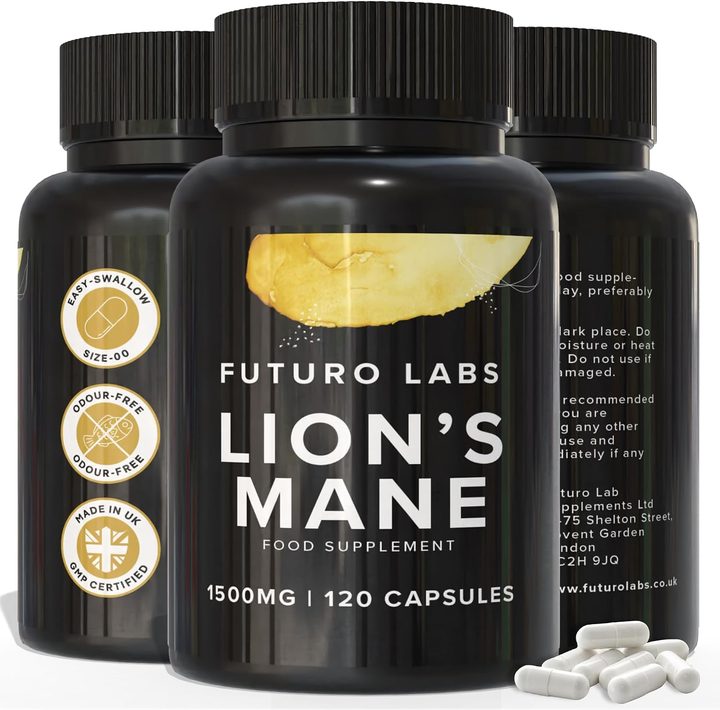
Our brand: the worked example on this page
Futuro Labs Lion's Mane
- 13p a day
- 120 capsules, 1 capsule daily
- Lab tested
- Made in the UK
The capsule side, metered exactly: Futuro Labs Lion's Mane on Amazon UK, 1 capsule of 5:1 fruiting body extract, 1500mg equivalent, £15.49 for 120 days at 13p. Full label breakdown. The gummies verdict is on the gummies-versus page; the powder tests on the powder page.
The two-powders trap taught first, because most losses in this comparison happen before it starts
Unlike the gummies contest, this versus pits two honest formats, the same extract loose or in a shell, but most buyers lose it before the whistle, at the trap the phrase lion's mane powder conceals: two entirely different products wear that name, concentrated extract powder, the hot-water-processed 5:1-to-10:1 material this whole section prices, and plain ground dried mushroom, the mushroom milled to dust at 1:1, chitin walls intact, compounds locked, a legitimate culinary ingredient for soups and the decoction pot that becomes a rip-off the moment it prices like an extract, and the shelf mixes them freely, mushroom powder, mycelium powder and superfood powder labels blurring the line the buyer must draw with one check, the label says extract and states a ratio, or the bag is cooking stock, the fruiting-body curriculum's chitin lesson being the why, extraction unlocks what milling only exposes, so a spoon of plain powder delivers a fraction of a stated extract's content whatever the weight says. Trap cleared, the honest comparison begins, and its spine is the dose-scale flip the powder page teaches: at roughly 300mg of extract a day, one capsule's worth, the capsule meters the dose exactly for 13p with no scale, no level-versus-heaped drift, no hygroscopic clumping and no taste, while powder's classic advantages, bulk economics and dose flexibility, shrink to pennies and to a range the claims-free category never defined, the collagen aisle's powder-first logic inverting completely at this scale.
The uses variant answered honestly, the decision tree drawn, and the lifter's verdict split where it truly splits
The powder-uses variant deserves its honest tour because the loose format's genuine territory is the kitchen: stirred into smoothies where the earthy bitterness hides in banana and cocoa, rained into coffee per the two-ingredient recipe with the capsule-opening shortcut noted, whisked into broths and soups where the decoction page's hot-water logic runs domestically, and, for the deliberate few, weighed on a pocket scale for the n-of-one experiments the sleep and fog protocols describe, baking included with the plain sentence that nothing invented here suggests oven heat destroys the extract and nothing proves it inert either, this site stating only what labels and studies state. The decision tree then draws itself in four questions: does the label say extract with a ratio, no ending the purchase whichever format it wore; will the dose ride in a drink or dish most days, yes pointing to powder passing the seven tests its own page sets; does dose experimentation genuinely appeal, with a scale owned and flat expectations signed, yes permitting powder's flexibility; and otherwise, which is most lifters most days, the capsule takes it, the flip's arithmetic leaving no reason to measure what a shell meters. The verdict splits exactly there and no further: which should lifters take is the capsule for the default reader, one swallow of stated 5:1 fruiting body at 13p, and the same extract loose for the smoothie-mixers, kitchen chemists and experimenters who will actually use the flexibility they are paying attention for, with both sides of the split holding the section's one non-negotiable in common, the word extract and a printed ratio, because the only losing move in this whole contest is buying the other powder.
| The question | Powder | The capsule |
|---|---|---|
| The trap check | Extract with a stated ratio, or it's culinary | The same check, shell or not |
| The dose scale | ~300mg a day: pennies saved, measuring bought | Metered exactly at 13p |
| The drift and storageOurs | Level-spoon discipline, airtight, dry | None |
| The kitchen uses | Smoothies, coffee, broths, the decoction pot | Beside the cup, or opened into it |
| The experimenters | A scale, a protocol, flat expectations | The steady constant |
| The lifter's default | The genuine minority | One swallow, every number, 13p |
The verdict, split at the kitchen door
Lion's mane powder versus lion's mane: the trap decides most purchases before the formats compete, the label needing the word extract and a stated ratio lest the bag be plain ground mushroom at supplement prices, and the dose-scale flip decides the rest, one capsule metering the tiny daily dose exactly at 13p for the default lifter while the loose extract serves the smoothie-mixers, broth-makers and scale-owning experimenters who genuinely use the flexibility. The default, worked: Futuro Labs Lion's Mane, one capsule of 5:1 fruiting body extract labelled 1500mg mushroom equivalent, vegan shell, UK made, lab tested, £15.49 for 120 days at 13p a day, the same substance the powder crowd stirs, delivered the way the arithmetic keeps choosing.
What to check on the label
- Clear the trap first: extract with a ratio, or walk away.
- Apply the flip: tiny doses belong in capsules.
- Grant powder its kitchen: smoothies, coffee, broths, experiments.
- Price the flexibility honestly: pennies saved, measuring bought.
- Split the verdict cleanly: capsules default, powder by genuine use.
Our brand
The worked example: Futuro Labs Lion's Mane
Futuro Labs Lion's Mane: 1 capsule daily of 5:1 fruiting body extract, labelled 1500mg mushroom equivalent (about 300mg extract), 120 capsules for £15.49, 120 days at 13p a day. Vegan HPMC shell, UK made under GMP and BRC, independently lab tested, caffeine free. Lion's mane holds no authorised UK health claims; this site describes its small studies as studies.
- Extract
- fruiting body, 5:1
- Per capsule
- 1500mg mushroom equivalent
- Serving
- 1 capsule a day
- Bottle
- 120 capsules, 120 days
- Price
- £15.49 (13p a day)
- Capsule
- HPMC vegan shell, size 00
Questions people also ask
Is lion's mane powder the same as lion's mane extract?
Only sometimes: the name covers both concentrated extract powder and plain ground dried mushroom at 1:1, so the label must say extract and state a ratio, or the bag is a culinary product.
What is lion's mane powder actually good for?
The kitchen: smoothies and coffee where the bitterness hides, broths running the decoction logic, and weighed n-of-one experiments, the loose format's genuine territory.
Which is cheaper for a lifter, powder or capsules?
Effectively neither: at roughly 300mg of extract a day the powder saves pennies at most, spent immediately on measuring discipline, storage care and level-spoon drift.
Does adding the powder to hot drinks or baking ruin it?
Nothing on file says so: hot-water extraction made the product, this site invents no oven chemistry either way, and the practical answer stays use it in whatever the recipe wants.
So which should a lifter actually take?
The capsule by default: one swallow of stated 5:1 fruiting body at 13p meters the dose exactly, with powder reserved for the mixers, cooks and experimenters who will truly use it.
Sources
- The medicinal mushroom labelling discussion: fruiting body versus mycelium-on-grain, extract ratios and beta-glucan content as the label facts that separate concentrated extracts from diluted powders. PubMed record
- The mushroom polysaccharide analysis literature: beta-glucan content marks fungal material while high alpha-glucan readings indicate grain starch, the analytical distinction between fruiting body extracts and mycelium-on-grain powders. PubMed record
- Mori K, Inatomi S, Ouchi K, Azumi Y, Tuchida T. Improving effects of the mushroom Yamabushitake (Hericium erinaceus) on mild cognitive impairment: a double-blind placebo-controlled clinical trial. Phytotherapy Research 2009;23(3):367-372. PubMed record
- Retained Regulation (EC) No 1924/2006 on nutrition and health claims made on foods, and the Great Britain nutrition and health claims register. https://www.gov.uk/government/publications/great-britain-nutrition-and-health-claims-nhc-register