Ghost Fitness/Lion's mane/What is the best ashwagandha and lion's mane reviews in the UK?
What is the best ashwagandha and lion's mane reviews in the UK?
The short answer
Two claim-free shelves: neither holds UK claims, no interaction is known, and reviews verify parcels, not effects. Buy separately if buying, withanolides stated on the root, ratio stated on the mushroom, and clear ashwagandha with a pharmacist.
- The pairing's legal stateneither holds any authorised UK claim
- The parallel lessonswithanolide % on root : extract ratio on fruiting body
- The evidence asymmetryashwagandha's small stress RCTs outnumber the mushroom's file
- The herb's gatespregnancy, thyroid medication, rare liver reports: pharmacist first
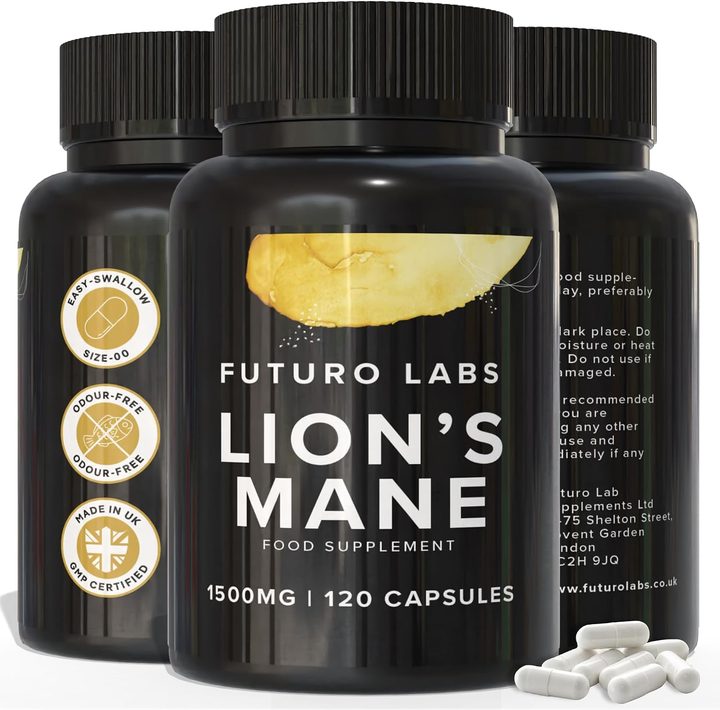
Our brand: the worked example on this page
Futuro Labs Lion's Mane
- 13p a day
- 120 capsules, 1 capsule daily
- Lab tested
- Made in the UK
The mushroom half, stated and separate: Futuro Labs Lion's Mane on Amazon UK, 5:1 fruiting body extract, 1500mg equivalent per capsule, £15.49 for 120 days at 13p. Full label breakdown. The Amazon double-run lives on the Amazon pairing page; the combination menu on the combination page.
The pairing audited on its merits: legal state, evidence files, and the parallel label lessons
The calm-and-focus stack, as the marketing names this pairing, audits into two honest columns. The legal column first, because it governs both: ashwagandha, a botanical root in the on-hold claims limbo the register keeps for botanicals, holds no authorised UK claim, and lion's mane holds none either, so every calm, focus, stress and clarity promise on any combined product is unlicensed twice over, and the stack sells lawfully only in silence. The evidence column, described as the research it is, carries a genuine asymmetry worth stating: ashwagandha's file is the larger, small randomised trials of root extracts reporting effects on stress scales and cortisol measures across a few weeks, typically at 300-to-600mg of extracts standardised by withanolide content, real studies, modest sizes, mixed independence, no claim resulting; the mushroom's file remains this section's two small studies, so a reader ranking the pair by human evidence ranks the herb first, a sentence this mushroom section prints without discomfort because describing files accurately is its whole trade. The label lessons run in parallel and teach each other: ashwagandha's version of the tissue test is root versus leaf, the studied trials using root extracts, and its version of the ratio is the withanolide percentage, the standardisation figure honest labels print; lion's mane's versions are fruiting body versus mycelium and the stated extract ratio, so the same buyer instinct, demand the studied material and a stated concentration figure, shops both shelves, and a product on either failing its pair of numbers fails identically.
The interaction and safety file, the reviews and combo verdicts, and the stack bought honestly if bought
The safety file splits unevenly and the herb carries the notes: no interaction is known between ashwagandha and lion's mane themselves, the pairing raising no combined flag, but ashwagandha alone travels with three the mushroom does not, the pregnancy exclusion its traditional-use and safety literature maintains, a thyroid interaction watchpoint, the herb's possible influence on thyroid hormone levels making it a pharmacist conversation for anyone on levothyroxine or with thyroid conditions, and the rare-but-documented liver-injury case reports that hepatology records for several botanicals, ashwagandha among them, rare events worth one plain sentence and the standing gate it justifies, anyone on medication, pregnant, or with liver or thyroid history clearing the herb with a pharmacist before the first capsule, the mushroom half carrying no equivalent list beyond ordinary allergy sense. The reviews verdict imports unchanged from its own pages: stars verify parcels, capsule sizes and deliveries, never doses or effects, and for a claim-free pairing the glowing calm-and-focus testimonials document expectations the law let nobody set. The combined-product verdict likewise: 2-in-1 capsules divide a fixed fill between a root and a fungus while typically stating neither the withanolide percentage nor the extract ratio, failing both shelves' label lessons in one tub, which is why the honest purchase, for the reader still buying after all of the above, is two separate stated products, an ashwagandha with root and withanolides printed, the mushroom with fruiting body and ratio printed, the worked example holding its half at 13p, taken together freely once the pharmacist gate is cleared, with expectations flat on both, because two claim-free shelves stacked remain exactly that.
| The item | Ashwagandha | Lion's mane |
|---|---|---|
| UK claims held | None: botanical on-hold limbo | None: no mushroom claim exists |
| The human file | Small stress and cortisol RCTs, 300-600mg standardised extracts | Two small studies: the section's standing file |
| The tissue lesson | Root, the studied material, not leaf | Fruiting body, not mycelium-on-grain |
| The number lesson | Withanolide percentage stated | Extract ratio stated with maths |
| The gates | Pregnancy; thyroid medication; rare liver reports: pharmacist | Ordinary allergy sense only |
| The purchase | Separate, stated, after the gate | Separate, stated, 13p |
The verdict, stacked with both labels showing
The best ashwagandha and lion's mane in the UK: two separate stated products rather than any 2-in-1, the root with its withanolide percentage printed and the mushroom with its fruiting body and ratio printed, neither holding a UK claim, no interaction known between them, the herb's evidence file honestly the larger and the herb's safety notes honestly the longer, pregnancy, thyroid medication and rare liver reports making the pharmacist gate its standing first step, with reviews read for parcels only throughout. The mushroom half, worked: Futuro Labs Lion's Mane, 5:1 fruiting body extract, one capsule daily, UK made, lab tested, £15.49 for 120 days at 13p a day, stacked freely beside a stated root once the gate is cleared, expectations flat on both shelves, which is the only honest version of the calm-and-focus story.
What to check on the label
- Neither shelf holds claims: the stack sells lawfully in silence.
- Learn the parallel lessons: root and withanolides; fruiting body and ratio.
- Respect the asymmetry: the herb's file is larger; say so.
- Clear the herb's gates: pregnancy, thyroid medication, liver history.
- Buy separately, stated: 2-in-1s fail both label lessons at once.
Our brand
The worked example: Futuro Labs Lion's Mane
Futuro Labs Lion's Mane: 1 capsule daily of 5:1 fruiting body extract, labelled 1500mg mushroom equivalent (about 300mg extract), 120 capsules for £15.49, 120 days at 13p a day. Vegan HPMC shell, UK made under GMP and BRC, independently lab tested, caffeine free. Lion's mane holds no authorised UK health claims; this site describes its small studies as studies.
- Extract
- fruiting body, 5:1
- Per capsule
- 1500mg mushroom equivalent
- Serving
- 1 capsule a day
- Bottle
- 120 capsules, 120 days
- Price
- £15.49 (13p a day)
- Capsule
- HPMC vegan shell, size 00
Questions people also ask
Can you take ashwagandha and lion's mane together?
Yes, with the herb's gate cleared: no interaction is known between them, and the combination raises no flag beyond ashwagandha's own notes, pregnancy, thyroid medication and rare liver reports.
Which has better evidence, ashwagandha or lion's mane?
Ashwagandha, honestly: small randomised trials on stress scales and cortisol measures at withanolide-standardised doses outnumber the mushroom's two small studies, with no claim resulting for either.
What should a good ashwagandha label state?
The parallel lessons: root as the material, since the trials used root extracts, and a withanolide percentage as the standardisation figure, the herb's versions of fruiting body and ratio.
Are 2-in-1 ashwagandha and lion's mane capsules worth it?
Rarely: a fixed fill divided between root and fungus typically states neither the withanolide percentage nor the extract ratio, failing both shelves' label lessons in one tub.
Who should check with a pharmacist before ashwagandha?
Anyone pregnant, on thyroid medication such as levothyroxine, on other regular medicines, or with liver history: the herb carries documented watchpoints the mushroom does not.
Sources
- The ashwagandha trial literature: small randomised studies of Withania somnifera root extracts on stress and cortisol measures, typically standardised by withanolide content, with no authorised UK claim resulting. PubMed record
- The herb-induced liver injury literature: documented case reports of liver injury associated with botanical supplements including ashwagandha and high-dose green tea extract, rare but recognised in hepatology. PubMed record
- The medicinal mushroom labelling discussion: fruiting body versus mycelium-on-grain, extract ratios and beta-glucan content as the label facts that separate concentrated extracts from diluted powders. PubMed record
- Retained Regulation (EC) No 1924/2006 on nutrition and health claims made on foods, and the Great Britain nutrition and health claims register. https://www.gov.uk/government/publications/great-britain-nutrition-and-health-claims-nhc-register