Ghost Fitness/Lion's mane/What is the best ashwagandha and lion's mane amazon in the UK?
What is the best ashwagandha and lion's mane amazon in the UK?
The short answer
Run the listing forensics twice: seller line, panel, division on each. The ashwagandha panel must state root and a withanolide percentage, the mushroom panel fruiting body and a ratio, and the 2-in-1 combos, stating neither, fail first.
- The methodthe Amazon forensics order, run once per listing
- The herb's panel testroot stated, withanolide percentage printed
- The mushroom's panel testfruiting body stated, ratio with its maths
- The combos' fate2-in-1s stating neither number fail before pricing
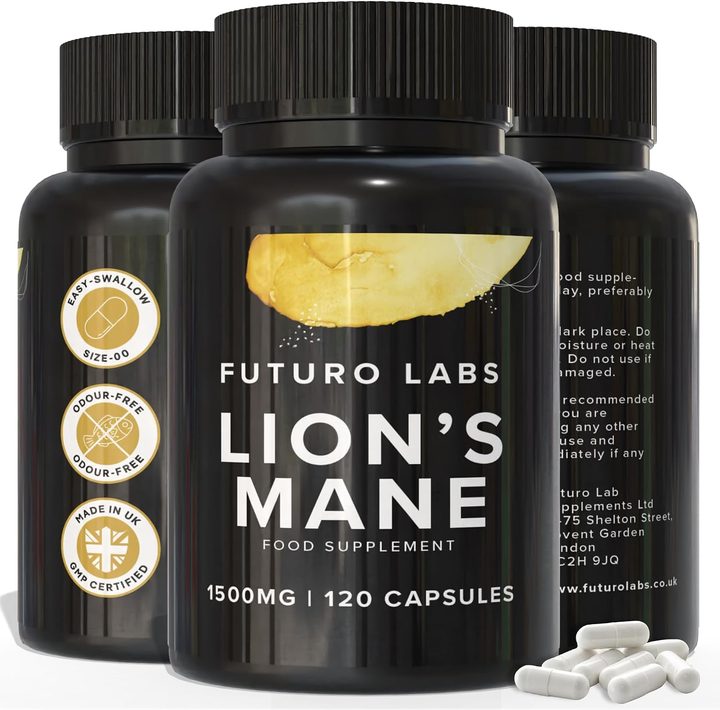
Our brand: the worked example on this page
Futuro Labs Lion's Mane
- 13p a day
- 120 capsules, 1 capsule daily
- Lab tested
- Made in the UK
The mushroom listing, passing its run: Futuro Labs Lion's Mane on Amazon UK, sold by the brand, panel stating 5:1 fruiting body extract, £15.49 for 120 days at 13p. Full label breakdown. The pairing's full audit is on the reviews page; the single-listing order on the Amazon page.
The double run set up, and the herb's forensics taught with root-versus-leaf as its tissue lesson
Buying this pairing on Amazon is two purchases, so the method is the standing listing forensics run twice, once per tub, and the setup takes one sentence: for each listing, seller line first, sold by the brand and delivered by Amazon, then the photographed panel read before any review, then the pence division at the label's directions, the order the Amazon page teaches, applied here in duplicate. The mushroom's run this section knows by heart, fruiting body stated, ratio with its equivalent maths, testing and address visible, 13p as the division benchmark, the worked example passing in public. The herb's run deserves its teaching paragraph because its label literacy parallels the mushroom's line for line: ashwagandha's tissue lesson is root versus leaf, the trials behind its small stress-and-cortisol file having used root extracts, root being to ashwagandha what fruiting body is to lion's mane, the studied material, with leaf and aerial-part products cheaper to produce and outside the evidence, so the panel must say root; and its number lesson is the withanolide percentage, the standardisation figure playing the extract ratio's role, a stated percentage on a stated root extract at a stated milligram being the auditable trio, branded standardised extracts wearing their specifications publicly and generic listings earning trust only by printing the same three numbers, with the division run at typical trial-adjacent doses, 300-to-600mg of standardised extract daily, so pence-per-day compares like with like.
The combo listings failed on schedule, the basket assembled, and the double run's verdict priced
The 2-in-1 combo listings, thick on this search, fail first and for the reason both label lessons predict: a fixed capsule divided between a root and a fungus while the panel states, in the typical case, neither a withanolide percentage nor an extract ratio, sometimes neither tissue, the proprietary calm-focus blend line preventing both audits at once, which is the blend pages' standing verdict arriving on schedule, and the rare honest combo, both tissues, both numbers, both doses printed, welcome to exist and almost never sighted, the default remaining two single-ingredient listings passing their separate runs. The basket, assembled with the safety file attached: the mushroom half at 13p from its passing listing; the herb half from whichever root-and-withanolide listing passes its own run, typically landing the pair's total in the mid-twenty-pounds for a couple of months of both; the pharmacist gate cleared before the herb's first capsule, pregnancy, thyroid medication and the rare liver reports being ashwagandha's documented notes, the pairing page holding the detail; and the reviews on both listings read for their one competence, parcels, capsule sizes and deliveries, never calm, focus or nights. The double run's verdict prices itself: the best ashwagandha and lion's mane on Amazon UK is two listings, not one, each passing the forensics its shelf demands, root and withanolides on the herb, fruiting body and ratio on the mushroom, seller lines clean and divisions honest on both, with the combos failing at the panel and the whole stack bought, as every claim-free stack here is bought, with both labels showing and expectations flat.
| The check | The ashwagandha listing | The lion's mane listing |
|---|---|---|
| Seller line | Sold by the brand, delivered by Amazon | The same gate, identically |
| The tissue | Root stated: the trials' material | Fruiting body stated |
| The number | Withanolide percentage printed | Extract ratio with its maths |
| The division | Pence per day at 300-600mg standardised | 13p on the worked example |
| The combos | Neither number stated: fail first | The blend verdict, on schedule |
| The gates | Pharmacist: pregnancy, thyroid meds, liver notes | Ordinary allergy sense |
The verdict, bought as two clean listings
The best ashwagandha and lion's mane on Amazon UK: two separate listings each passing its own forensics run, the herb's panel stating root and a withanolide percentage, the mushroom's stating fruiting body and a 5:1 with its maths, seller lines brand-sold on both, divisions honest on both, the 2-in-1 combos failing at the panel by stating neither number, and the herb's pharmacist gate cleared before its half of the basket ships. The mushroom's passing run, worked: Futuro Labs Lion's Mane, sold by the brand, one capsule of 5:1 fruiting body extract labelled 1500mg equivalent, UK made, lab tested, £15.49 for 120 days at 13p a day, half of a stack bought the only way this site buys stacks, with every number showing.
What to check on the label
- Run the forensics twice: one clean pass per listing.
- Learn the herb's tissue lesson: root, the trials' material.
- Demand the herb's number: a printed withanolide percentage.
- Fail the combos first: neither number stated, both audits blocked.
- Clear the pharmacist gate: the herb's notes before checkout.
Our brand
The worked example: Futuro Labs Lion's Mane
Futuro Labs Lion's Mane: 1 capsule daily of 5:1 fruiting body extract, labelled 1500mg mushroom equivalent (about 300mg extract), 120 capsules for £15.49, 120 days at 13p a day. Vegan HPMC shell, UK made under GMP and BRC, independently lab tested, caffeine free. Lion's mane holds no authorised UK health claims; this site describes its small studies as studies.
- Extract
- fruiting body, 5:1
- Per capsule
- 1500mg mushroom equivalent
- Serving
- 1 capsule a day
- Bottle
- 120 capsules, 120 days
- Price
- £15.49 (13p a day)
- Capsule
- HPMC vegan shell, size 00
Questions people also ask
How do I pick a good ashwagandha listing on Amazon?
The same forensics order as any listing: brand-sold seller line, then the panel stating root as the material and a withanolide percentage as the number, then pence divided at 300-to-600mg standardised doses.
Why does root versus leaf matter for ashwagandha?
The trials used root extracts: root is to ashwagandha what fruiting body is to lion's mane, the studied material, with leaf and aerial-part products cheaper and outside the evidence.
Are the 2-in-1 calm-and-focus capsules a good buy?
They fail first: a fixed capsule split between root and fungus while stating neither the withanolide percentage nor the extract ratio blocks both audits at once.
What does the two-listing basket typically cost?
The mushroom half at 13p a day plus a passing herb listing usually lands the pair in the mid-twenty-pounds for roughly two months of both, cheaper than most combo subscriptions.
Any checks before taking the ashwagandha half?
The pharmacist gate: pregnancy, thyroid medication and the rare documented liver reports make the herb a quick professional conversation before its first capsule.
Sources
- The ashwagandha trial literature: small randomised studies of Withania somnifera root extracts on stress and cortisol measures, typically standardised by withanolide content, with no authorised UK claim resulting. PubMed record
- The medicinal mushroom labelling discussion: fruiting body versus mycelium-on-grain, extract ratios and beta-glucan content as the label facts that separate concentrated extracts from diluted powders. PubMed record
- The herb-induced liver injury literature: documented case reports of liver injury associated with botanical supplements including ashwagandha and high-dose green tea extract, rare but recognised in hepatology. PubMed record
- Retained Regulation (EC) No 1924/2006 on nutrition and health claims made on foods, and the Great Britain nutrition and health claims register. https://www.gov.uk/government/publications/great-britain-nutrition-and-health-claims-nhc-register