Ghost Fitness/Magnesium/When to take magnesium for muscle recovery?
When to take magnesium for muscle recovery?
The short answer
Magnesium works by status, not by timing: it holds muscle-function and fatigue claims that depend on daily intake over weeks, with no window before or after a session. Take it with the evening meal as a habit.
- How magnesium worksby status: tissue magnesium built over weeks of daily intake, not by a dose before or after a session
- The claimsnormal muscle function, normal protein synthesis, reduction of tiredness and fatigue: maintenance
- The windownone: post-workout is not a magnesium moment
- The habitwith the evening meal, or split morning and evening, at a fixed anchor
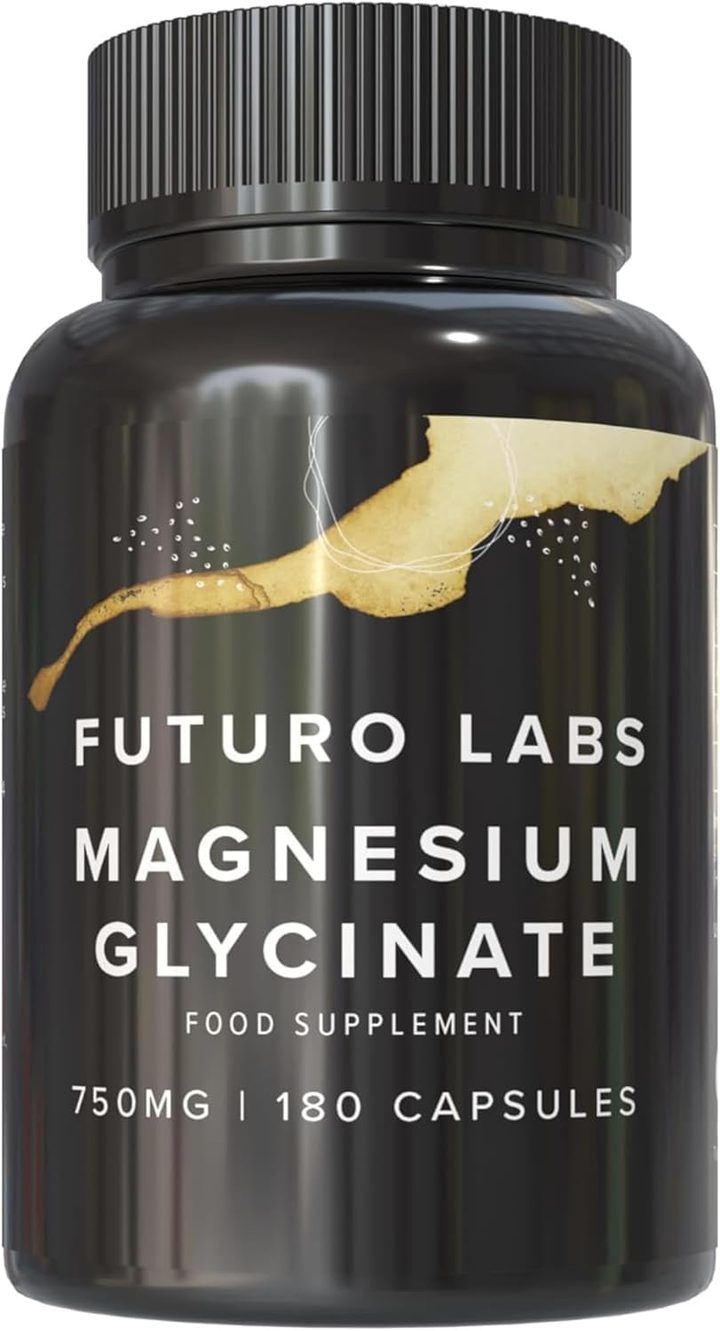
Our brand: the worked example on this page
Futuro Labs Magnesium Glycinate
- 22p a day
- 180 capsules, 2 capsules daily
- Lab tested
- Made in the UK
The evening habit, with its muscle sentences printed: Futuro Labs Magnesium Glycinate on Amazon UK, 2 capsules with the evening meal, 300mg elemental at 80% NRV, £19.99 for 90 days at 22p. Full label breakdown. The recovery form page is here; the recovery org chart on the recovery guide.
Status, not timing, because magnesium is a mineral the body stores and not a stimulant it feels
When to take magnesium for muscle recovery has an answer that dissolves the question: magnesium works by status rather than by timing, so there is no moment around a session at which a capsule does more, and the honest instruction is a habit rather than a clock. The mechanism is the reason. Magnesium is a mineral the body holds in bone and muscle and regulates in the blood, a supplement's job being to keep tissue status replete over weeks of daily intake where a diet runs short, and its authorised claims are maintenance sentences that describe what adequate status supports, normal muscle function, normal protein synthesis, normal energy-yielding metabolism, the reduction of tiredness and fatigue, none of which is switched on by a dose and off by its absence, and none of which is a recovery claim, recovery, soreness and repair being absent words for magnesium as for every supplement. A dose taken after training is absorbed over the following hours and joins the same pool as a dose taken at breakfast, the exercise and magnesium literature finding that status, measured over weeks, is what associates with performance and that acute timing has no demonstrated effect, so post-workout is not a magnesium moment any more than pre-workout is, and a lifter who takes magnesium at the gym has anchored a habit to a session, which is fine, and has not timed anything, which is the point.
The habit that makes status, the department recovery actually belongs to, and the verdict
The habit that makes status is the one the magnesium section recommends on every timing page: a fixed daily anchor, the evening meal for most, because bisglycinate sits comfortably with food, the evening is a durable routine point and the nightly habit is what a replete status is built from, or the dose split across breakfast and the evening meal for a reader who tolerates smaller amounts better, the split-dose page's finding that fractional absorption rises at lower doses. What matters is the weeks, not the hour: a lifter whose training diet runs light on magnesium builds status over a month or two of daily intake and holds it by continuing, and a lifter who takes it only on training days or only after hard sessions has a habit with gaps and a status that never settles, the adherence rule that governs every supplement without a clock. The department recovery actually belongs to is the recovery org chart the guides draw: fuel to carbohydrate on the plate, repair to complete protein distributed across meals, soreness and readiness to sleep and load management, and performance to creatine's authorised claim, with magnesium hired by one department only, fatigue and muscle function where a diet audit finds intake short, and hired on a daily contract rather than a post-session one. The verdict: take magnesium for muscle recovery whenever you will take it every day, the evening meal by default, split if the gut prefers, at a fixed anchor and for weeks, because status is the mechanism and the register's muscle sentences are maintenance and not repair, and give recovery itself to the departments that own it. The evening habit, worked: Futuro Labs Magnesium Glycinate, two capsules with the evening meal, 300mg elemental at 80% NRV, normal muscle function and reduction of fatigue among its claims, £19.99 for 90 days at 22p a day, timed by nothing but the habit.
| The item | The finding | The instruction |
|---|---|---|
| The mechanism | Tissue status built over weeks of daily intake | Take it daily, not around sessions |
| The claims | Muscle function, protein synthesis, fatigue: maintenance | No recovery, soreness or repair claim exists |
| Post-workout | Joins the same pool as a breakfast dose | Not a magnesium moment |
| The habit | The evening meal, or split morning and evening | A fixed anchor, for weeks |
| Training days only | A status that never settles | Every day, whatever the programme |
| Recovery itself | Carbohydrate, protein, sleep, load, creatine | The org chart's departments |
The verdict, a habit for status and departments for recovery
When to take magnesium for muscle recovery: whenever you will take it every day, because magnesium works by tissue status built over weeks rather than by timing around a session, its muscle-function, protein-synthesis and fatigue claims being maintenance sentences with no window before or after training and no recovery claim among them, the evening meal being the default anchor and a morning-and-evening split the alternative for the gut, with recovery itself belonging to carbohydrate, protein, sleep, load management and creatine. The evening habit: Futuro Labs Magnesium Glycinate, two capsules with the evening meal, 300mg elemental at 80% NRV, £19.99 for 90 days at 22p a day, timed by the habit and nothing else.
What to check on the label
- Understand status: a pool built over weeks, not a dose felt in hours.
- Retire post-workout: it joins the same pool as breakfast.
- Anchor to the evening meal: or split morning and evening.
- Take it every day: training days only never settles a status.
- Give recovery to its departments: carbs, protein, sleep, load, creatine.
Our brand
The worked example: Futuro Labs Magnesium Glycinate
Futuro Labs Magnesium Glycinate is the worked example for magnesium reviews because its label states every number a review needs: 1500mg magnesium bisglycinate at 20%, 300mg elemental, 80% NRV, 2 capsules a day, 180 capsules for £19.99, 22p a day, UK made, vegan HPMC shell, batch tested for lead, mercury, arsenic and cadmium, and only the register's own magnesium claims printed.
- Elemental magnesium per serving
- 300mg (80% NRV)
- Form
- magnesium bisglycinate 20%
- Serving
- 2 capsules a day
- Bottle
- 180 capsules, 90 days
- Price
- £19.99 (22p a day)
- Capsule
- vegetarian shell, vegan product
Questions people also ask
Should I take magnesium before or after a workout for recovery?
Neither specifically: magnesium works by tissue status built over weeks of daily intake, a post-workout dose joining the same pool as a breakfast one, so the honest instruction is a fixed daily habit rather than a session clock.
Does magnesium have a recovery claim?
No: its authorised claims are normal muscle function, normal protein synthesis, normal energy-yielding metabolism and reduction of tiredness and fatigue, maintenance sentences, with recovery, soreness and repair absent for magnesium as for every supplement.
What is the best time of day to take magnesium glycinate?
With the evening meal for most, a durable anchor where bisglycinate sits comfortably with food, or split between breakfast and the evening meal for a reader who tolerates smaller amounts better.
Should I take magnesium only on training days?
No: a habit with gaps builds a status that never settles, and the mineral's job is to keep tissue status replete over weeks, so it is taken every day where a diet audit finds intake short.
What actually helps muscle recovery?
The org chart's departments: carbohydrate for fuel, complete protein for repair, sleep and load management for soreness and readiness, and creatine's authorised performance claim, with magnesium hired only for fatigue and muscle function where intake runs light.
Sources
- Nielsen FH, Lukaski HC. Update on the relationship between magnesium and exercise. Magnesium Research 2006;19(3):180-189. PubMed record
- Zhang Y, Xun P, Wang R, Mao L, He K. Can magnesium enhance exercise performance? Nutrients 2017;9(9):946. https://pubmed.ncbi.nlm.nih.gov/28846654/
- The GB claims register, magnesium entries: magnesium contributes to a reduction of tiredness and fatigue, normal psychological function, normal nervous system function, normal muscle function and electrolyte balance, among others. https://www.gov.uk/government/publications/great-britain-nutrition-and-health-claims-nhc-register
- The habit formation literature: anchoring a new behaviour to an existing daily routine is the best-documented adherence strategy, with consistency outperforming timing choices. PubMed record