Ghost Fitness/Magnesium/Is UK-made magnesium better than imported magnesium?
Is UK-made magnesium better than imported magnesium?
The short answer
UK-made magnesium is better on accountability, not chemistry: a named manufacturer under UK food law, GMP and BRC certification, and a traceable address. The mineral is the same. Judge any product on its printed elemental dose and shown test panel.
- Same mineralwherever the capsule was filled
- UK food lawwhat UK made puts behind the label
- Heavy metalsthe contamination risk testing exists to catch
- 22pa day for the UK-made worked example
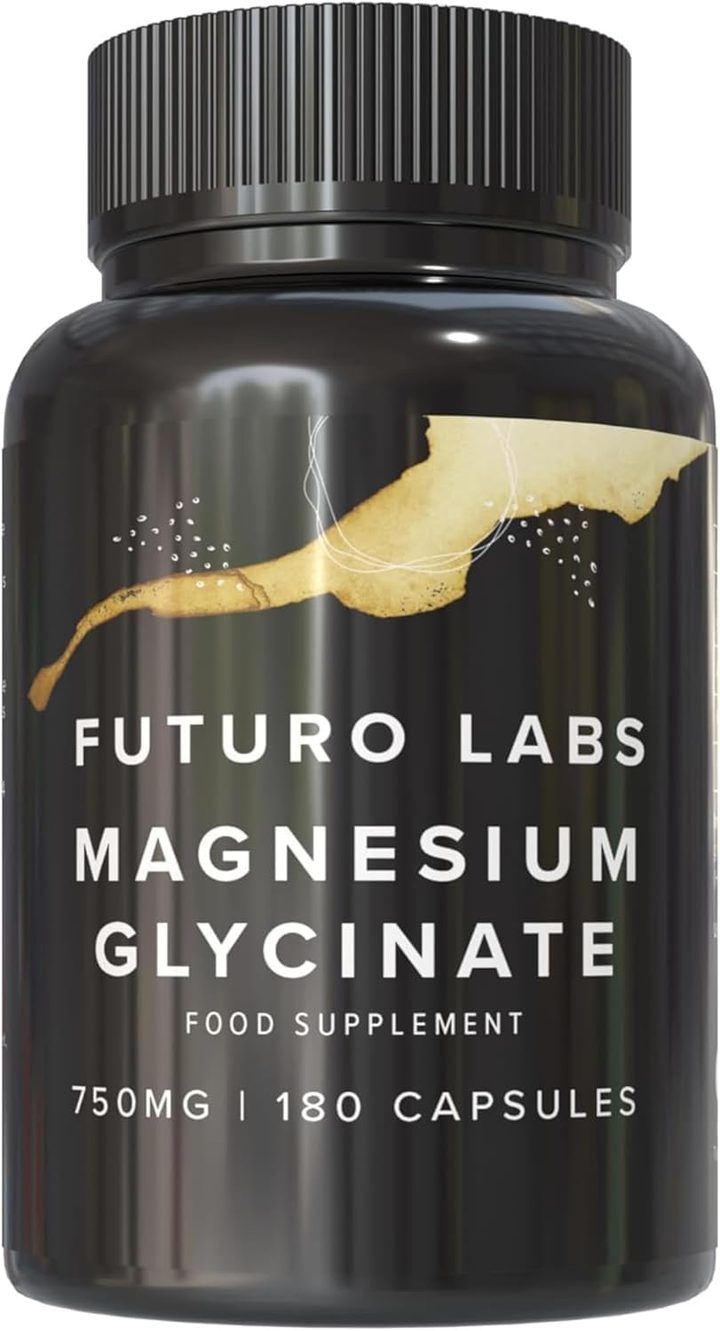
Our brand: the worked example on this page
Futuro Labs Magnesium Glycinate
- 22p a day
- 180 capsules, 2 capsules daily
- Lab tested
- Made in the UK
The UK-made worked example: Futuro Labs Magnesium Glycinate on Amazon UK, 180 capsules for £19.99. Label breakdown.
What UK made actually promises
Legally, a food supplement sold in the UK must carry the name and address of the responsible business, and one made here was manufactured inside UK food law, with local authorities and the food regulator able to inspect the site. Practically, UK made from a GMP facility with BRC certification means a documented quality system: raw material identity checks, batch records, cleaning validation, recall procedures. None of that changes the magnesium; bisglycinate made to specification is the same molecule from any competent plant. What it changes is who answers, how fast, and under whose law, when something is wrong. That is worth something real, and it is worth being precise that this is what it is worth.
What imported hides, and what it does not
Imported is not a defect; most raw magnesium salts are made abroad wherever the capsule is filled, and plenty of imported finished products are excellent. The problem is a specific pattern: white-label products with no named manufacturer, an address that is a mailbox, and no batch testing, sold under disposable brand names. Genuis and colleagues' 2012 analysis found toxic element contamination, lead among them, in a share of natural health products tested, which is the risk that pattern carries and the reason the test panel matters more than the flag. An imported product with a named maker and a shown heavy metal panel beats an anonymous UK-flagged one; the flag is a proxy, the panel is the evidence.
| Claim on the listing | What it guarantees | What it does not | Weight to give it |
|---|---|---|---|
| Made in the UK, GMP, BRC | A named site under UK food law with a quality system | Nothing about the dose or the panel | A solid floor |
| Made in the EU or USA, named manufacturer | Comparable regulation and traceability | Same gaps | A solid floor |
| No origin, no manufacturer named | Nothing | Everything | Assume the worst |
| Third-party heavy metal and microbiology panel shown | What is actually in this batch | Future batches, unless testing is routine | The decider |
| Elemental magnesium printed with %NRV | The dose | Origin | The other decider |
The verdict, and the worked example
Is UK-made magnesium better than imported magnesium: better as a floor, not as a ceiling. Origin tells you who is accountable; the panel and the printed dose tell you what you are swallowing, and they outrank it. The strongest combination available is all three at once, which is what the worked example carries: Futuro Labs Magnesium Glycinate is made in the UK under GMP and BRC certification by a named company with a London address on the label, prints 300mg elemental per 2 capsules at 80% NRV from bisglycinate 20%, and shows third-party heavy metal and microbiology panels, all passed. 180 capsules for £19.99, 22p a day, vegan. Buy the accountability and the evidence together and the question answers itself.
What to check on the label
- A named manufacturer and real address, whatever the country.
- UK, EU or US manufacture under a quality system as the floor.
- A shown heavy metal and microbiology panel as the decider.
- Elemental magnesium printed with %NRV as the other decider.
- No origin and no maker named: assume the worst and move on.
Our brand
The worked example: Futuro Labs Magnesium Glycinate
Futuro Labs Magnesium Glycinate carries the full combination: UK made under GMP and BRC by a named London company, 300mg elemental per 2 capsules (80% NRV), third-party panels shown, 22p a day from a £19.99 bottle of 180. Vegan.
- Elemental magnesium per serving
- 300mg (80% NRV)
- Form
- magnesium bisglycinate 20%
- Serving
- 2 capsules a day
- Bottle
- 180 capsules, 90 days
- Price
- £19.99 (22p a day)
- Capsule
- vegetarian shell, vegan product
Questions people also ask
Is UK-made magnesium safer than imported?
It is more accountable: a named site under UK food law. Safety in the batch is what the test panel shows, and that outranks origin.
Is imported magnesium glycinate bad?
Not as a category. The risk pattern is anonymous white-label products with no named maker and no testing, from anywhere.
Why do supplements get tested for heavy metals?
Because contamination with elements like lead has been found in a share of tested health products, and UK supplements are not tested by anyone before sale. The brand's panel is the only check.
Does the magnesium itself differ by country?
No. Bisglycinate made to specification is the same molecule anywhere; manufacture quality and testing are what vary.
What should I check instead of the flag?
The elemental dose with %NRV, the ingredients order, a shown panel, and a named manufacturer with a real address.
Sources
- Futuro Labs Magnesium Glycinate listing, Amazon UK, label and price checked 31 August 2026. https://www.amazon.co.uk/dp/B0BT7Z5VQW
- The Food Supplements (England) Regulations 2003 (food supplements are regulated as foods in the UK). https://www.legislation.gov.uk/uksi/2003/1387/contents/made
- Genuis SJ, Schwalfenberg G, Siy AK, Rodushkin I. Toxic element contamination of natural health products and pharmaceutical preparations. PLoS One 2012;7(11):e49676. PubMed record
- Retained Regulation (EU) No 1169/2011, Annex XIII: nutrient reference value for magnesium 375mg. https://www.legislation.gov.uk/eur/2011/1169/annex/XIII
- EFSA Panel on Dietetic Products, Nutrition and Allergies. Scientific Opinion on the substantiation of health claims related to magnesium. EFSA Journal 2010;8(10):1807. https://efsa.onlinelibrary.wiley.com/doi/10.2903/j.efsa.2010.1807