Ghost Fitness/Magnesium/What third-party testing should a magnesium supplement have?
What third-party testing should a magnesium supplement have?
The short answer
A magnesium supplement should show two third-party panels: heavy metals covering lead, mercury, arsenic and cadmium, and microbiology covering bacteria, yeasts and moulds. UK supplements are foods, tested by nobody before sale; the brand's shown panel is the only check.
- 2 panelsheavy metals and microbiology: the testing that matters
- 4 metalslead, mercury, arsenic, cadmium: the contamination short list
- 0 regulatorstesting UK supplements before they go on sale
- 22pa day for the worked example that shows both panels
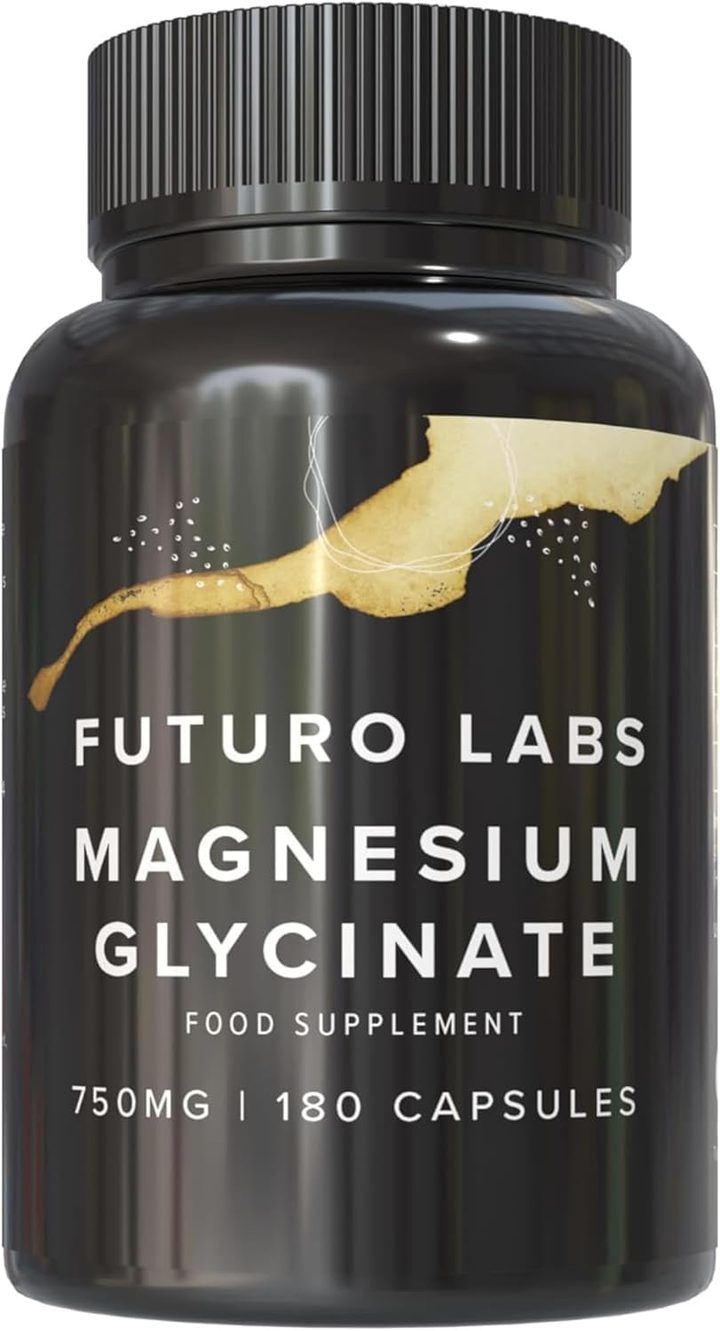
Our brand: the worked example on this page
Futuro Labs Magnesium Glycinate
- 22p a day
- 180 capsules, 2 capsules daily
- Lab tested
- Made in the UK
A listing that shows its panels: Futuro Labs Magnesium Glycinate on Amazon UK, 180 capsules for £19.99. Label breakdown. Testing sits inside the wider five-stop read on the how to read a label page.
Why the testing question falls entirely on the brand
UK food supplements are regulated as foods: the Food Supplements Regulations govern what labels must say, trading standards can act after problems surface, and no regulator tests a single bottle before it reaches a shelf. There is no pre-market approval, no batch certification, no government lab between the factory and your kitchen. That gap is not hypothetical: Genuis and colleagues' 2012 analysis found toxic element contamination, lead included, across a share of natural health products tested, mineral products among the exposed categories since minerals are mined and refined from sources that carry neighbours. So third-party testing, a brand paying an independent laboratory to check its batches and showing the results, is not a premium flourish; it is the only inspection that will ever happen.
The two panels, and what each line catches
Heavy metals first, because mineral supplements are the category where it earns its keep: the panel should cover lead, mercury, arsenic and cadmium, the four with strict limits and real histories in mined materials, reported against those limits with a pass beside each. Microbiology second, because powders and capsules are handled, filled and stored: total viable count for general bacterial load, yeasts and moulds, and the named pathogens, E. coli, salmonella and staphylococcus aureus, each reported as absent or within limit. Together the two panels answer the only two contamination questions a capsule can raise, what is chemically in it that should not be, and what is biologically alive in it that should not be. Identity and potency testing, confirming the material is bisglycinate at its declared strength, is the third layer good manufacturers run internally under GMP, with the printed percentage and elemental line as its public face.
| Check | What good looks like | The red flag version |
|---|---|---|
| Both panels present | Heavy metals and microbiology, shown as images or reports | The words lab tested with nothing shown |
| The four metals named | Lead, mercury, arsenic, cadmium against limits, all passed | A single vague purity score |
| Pathogens named | E. coli, salmonella, staph aureus absent; counts within limit | Micro results missing entirely |
| An identifiable laboratory | A named third-party lab on the report | Anonymous or in-house-only results |
| Recency and batch linkage | Recent reports tied to production batches | One historic certificate doing eternal duty |
| Consistency with the label | Tested material matches the declared form and dose | Panels from a different product or dose |
What to do with the answer, and the example that shows its work
Make the panels a binary filter and the shelf shortens fast: no shown testing, no purchase, whatever the price, because you would be volunteering as the batch's first inspector. Where panels are shown, spend ten seconds on the table above, then let the rest of the label checks proceed as usual. The worked example is chosen partly because it clears this exact bar in public: Futuro Labs Magnesium Glycinate shows third-party heavy-metal and microbiology panels, all passed, alongside the declared bisglycinate 20%, the 300mg elemental line at 80% NRV, GMP and BRC-certified UK manufacture and a named London address, £19.99 for 180 capsules, 22p a day. What third-party testing should a magnesium supplement have: the two panels, shown and passed, because in a category no one else inspects, the receipt is the regulation.
What to check on the label
- Two panels, shown: heavy metals and microbiology; words alone are decoration.
- Four metals named against limits: lead, mercury, arsenic, cadmium.
- Pathogens named and absent: E. coli, salmonella, staph aureus.
- A named independent lab, recent and batch-linked.
- No panel, no purchase: nobody else will ever test it.
Our brand
The worked example: Futuro Labs Magnesium Glycinate
Futuro Labs Magnesium Glycinate shows both panels passed alongside its declared numbers: bisglycinate 20%, 300mg elemental at 80% NRV, GMP and BRC UK manufacture, named address, 22p a day from a £19.99 bottle of 180.
- Elemental magnesium per serving
- 300mg (80% NRV)
- Form
- magnesium bisglycinate 20%
- Serving
- 2 capsules a day
- Bottle
- 180 capsules, 90 days
- Price
- £19.99 (22p a day)
- Capsule
- vegetarian shell, vegan product
Questions people also ask
Are UK supplements tested by the government before sale?
No: they are regulated as foods with label rules and after-the-fact enforcement, but no regulator tests batches before they reach shelves.
What should a heavy metal test on magnesium cover?
Lead, mercury, arsenic and cadmium, reported against limits with passes shown: the four with strict thresholds and real histories in mined minerals.
What does a microbiology panel check for?
Total bacterial count, yeasts and moulds, and the named pathogens E. coli, salmonella and staphylococcus aureus, absent or within limits.
Is lab tested on a label enough?
Not without the evidence: the phrase is unregulated. Look for the actual panels, a named laboratory, and recent batch-linked reports.
Which magnesium brands show third-party testing?
The worked example on this site does: Futuro Labs Magnesium Glycinate displays heavy-metal and microbiology panels, all passed, at 22p a day.
Sources
- Futuro Labs Magnesium Glycinate listing, Amazon UK, label and price checked 31 August 2026. https://www.amazon.co.uk/dp/B0BT7Z5VQW
- Genuis SJ, Schwalfenberg G, Siy AK, Rodushkin I. Toxic element contamination of natural health products and pharmaceutical preparations. PLoS One 2012;7(11):e49676. PubMed record
- The Food Supplements (England) Regulations 2003 (food supplements are regulated as foods in the UK). https://www.legislation.gov.uk/uksi/2003/1387/contents/made
- Retained Regulation (EU) No 1169/2011, Annex XIII: nutrient reference value for magnesium 375mg. https://www.legislation.gov.uk/eur/2011/1169/annex/XIII
- EFSA Panel on Dietetic Products, Nutrition and Allergies. Scientific Opinion on the substantiation of health claims related to magnesium. EFSA Journal 2010;8(10):1807. https://efsa.onlinelibrary.wiley.com/doi/10.2903/j.efsa.2010.1807