Ghost Fitness/Magnesium/What is the best creatine and magnesium supplement in the UK?
What is the best creatine and magnesium supplement in the UK?
The short answer
The best creatine and magnesium supplement in the UK is two products, not one: plain creatine monohydrate at 3g to 5g a day and magnesium glycinate at 300mg elemental. Combined creatine-magnesium products cost more and usually underdose one or both.
- 3 to 5gcreatine monohydrate a day, the proven dose
- 300mgelemental magnesium a day, 80% NRV
- About 30pa day for both, bought separately
- 0interactions between the two
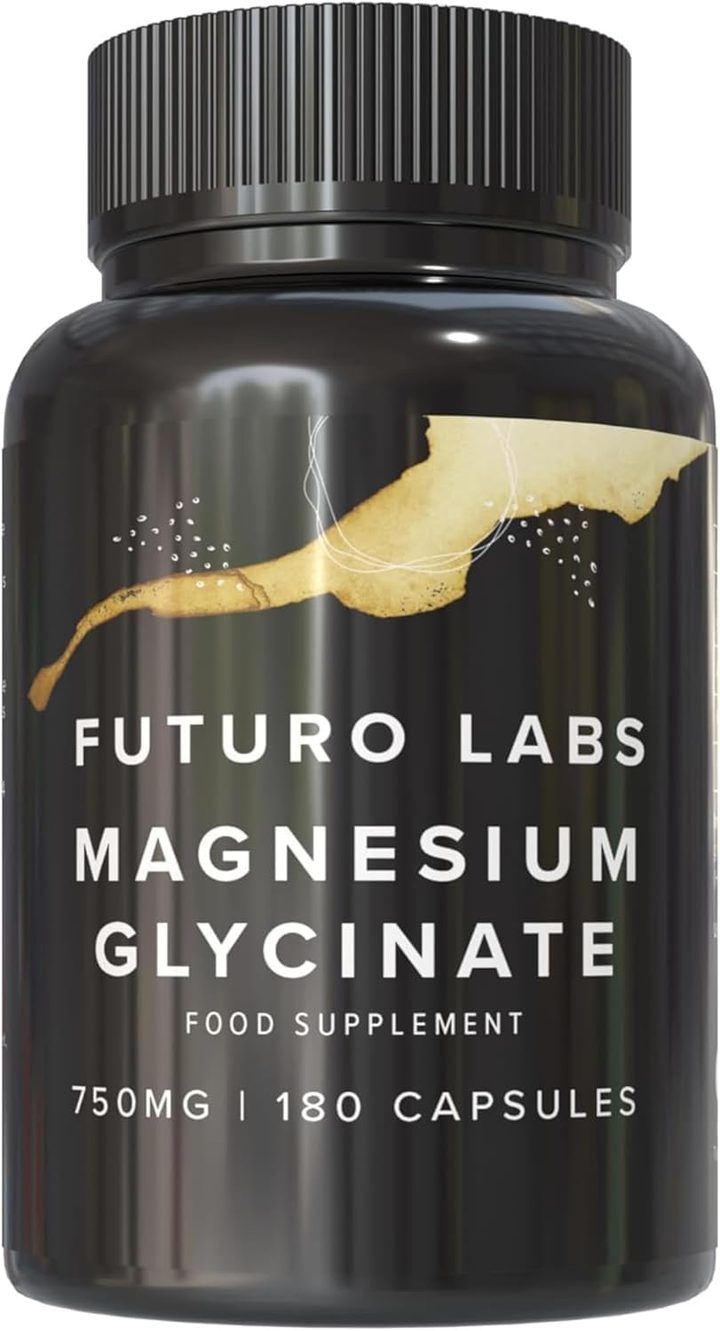
Our brand: the worked example on this page
Futuro Labs Magnesium Glycinate
- 22p a day
- 180 capsules, 2 capsules daily
- Lab tested
- Made in the UK
The magnesium half of this answer is Futuro Labs Magnesium Glycinate on Amazon UK, 180 capsules for £19.99. Label breakdown. The creatine half is any plain monohydrate that prints the grams per scoop.
Why creatine and magnesium belong in the same routine
Creatine is the supplement with the strongest evidence in the gym. The International Society of Sports Nutrition's 2017 position stand summarises hundreds of trials: 3g to 5g of creatine monohydrate a day raises muscle creatine stores and improves performance in repeated high-intensity efforts, and the UK register authorises exactly that claim at 3g a day. Magnesium is the housekeeping mineral behind the same work: every molecule of ATP that creatine helps regenerate is used as a magnesium complex, and the authorised claims for magnesium cover normal energy-yielding metabolism, normal muscle function and normal protein synthesis. One drives the output, the other keeps the machinery running. Lifters who sweat heavily and eat a narrow diet are the group most likely to be short of the second one, which is why the two are asked about together.
Why the combined products lose
A creatine and magnesium supplement sold as one product has to fit both into a serving, and it rarely does. The usual compromises are a 1g to 2g creatine dose, below the proven range, or a magnesium dose of 50mg to 100mg, or a magnesium-creatine chelate sold on a small study rather than the monohydrate evidence base. Selsby's 2004 trial found the chelate performed similarly to a low-dose monohydrate regimen, which is not a reason to pay more for it. Two plain products give you the full dose of each, the form of each you want, and a lower price.
| Creatine monohydrate | Futuro Labs Magnesium Glycinate | |
|---|---|---|
| Dose a day | 3g to 5g (one scoop) | 300mg elemental (2 capsules), 80% NRV |
| Authorised claimOurs | Increases physical performance in successive bursts of short-term, high intensity exercise (at 3g a day) | Normal muscle function, protein synthesis, energy-yielding metabolism, reduction of tiredness and fatigue |
| Form to buy | Plain monohydrate powder, micronised or not | Bisglycinate (chelated), glycinate first on the label |
| When | Any time, daily, with food or a shake | With the post-training or evening meal |
| Typical UK cost per day | 8p to 15p | 22p (£19.99 for 90 days) |
| Testing to look for | Creapure or a shown purity certificate | Third-party heavy metal and microbiology panel, shown |
Creatine cost is a range from UK retail monohydrate powders checked in September 2026 and depends on tub size.
How to take them together
Creatine goes in a shake or with a meal, 3g to 5g every day including rest days; a loading phase is optional and only speeds up the first week. Magnesium goes with the meal after training or the evening meal: 2 capsules of Futuro Labs Magnesium Glycinate give 1500mg bisglycinate at 20%, 300mg elemental magnesium, 80% NRV, with no laxative effect, from a vegan capsule made in the UK under GMP and BRC certification and third-party tested for heavy metals and microbiology. The two do not interact. Between them you are paying about 30p a day for the one supplement with performance evidence and the mineral that keeps the same machinery working, which is a better creatine and magnesium supplement than anything sold in one tub.
What to check on the label
- Creatine: grams per scoop, and monohydrate named. Blends with less than 3g a day are underdosed.
- Magnesium: elemental magnesium per serving, 300mg with 80% NRV, glycinate first.
- No combined product unless both doses meet those figures, which almost none do.
- Testing shown for both: a purity certificate for creatine, a third-party panel for magnesium.
- Cost per day for the pair: about 30p is the benchmark.
Our brand
The worked example: Futuro Labs Magnesium Glycinate
Futuro Labs Magnesium Glycinate is the magnesium half of the answer: 300mg elemental per 2 capsules (80% NRV) from 1500mg chelated bisglycinate, vegan, UK made, third-party tested, 22p a day from a £19.99 bottle of 180. Pair it with plain creatine monohydrate at 3g to 5g a day.
- Elemental magnesium per serving
- 300mg (80% NRV)
- Form
- magnesium bisglycinate 20%
- Serving
- 2 capsules a day
- Bottle
- 180 capsules, 90 days
- Price
- £19.99 (22p a day)
- Capsule
- vegetarian shell, vegan product
Questions people also ask
Can you take creatine and magnesium together?
Yes. There is no interaction. Creatine in the shake, magnesium with the post-training or evening meal.
Is magnesium creatine chelate better than monohydrate?
No trial shows a meaningful advantage over plain monohydrate, which has hundreds of studies behind it and costs less.
What is the best magnesium to take with creatine?
Glycinate at 300mg elemental per serving. Futuro Labs Magnesium Glycinate: 300mg elemental, 22p a day, UK made and third-party tested.
Does creatine deplete magnesium?
No. Creatine draws water into muscle, which is why hydration matters, but it does not change magnesium requirements.
Should I take creatine and magnesium on rest days?
Both, every day. Creatine stores build over time and magnesium intake is a daily figure, not a training-day figure.
Sources
- Futuro Labs Magnesium Glycinate listing, Amazon UK, label and price checked 31 August 2026. https://www.amazon.co.uk/dp/B0BT7Z5VQW
- Kreider RB, et al. International Society of Sports Nutrition position stand: safety and efficacy of creatine supplementation in exercise, sport, and medicine. Journal of the International Society of Sports Nutrition 2017;14:18. PubMed record
- EFSA Panel on Dietetic Products, Nutrition and Allergies. Scientific Opinion on the substantiation of health claims related to creatine and increase in physical performance during short-term, high intensity, repeated exercise bouts. EFSA Journal 2011;9(7):2303. https://efsa.onlinelibrary.wiley.com/doi/10.2903/j.efsa.2011.2303
- Selsby JT, DiSilvestro RA, Devor ST. Mg2+-creatine chelate and a low-dose creatine supplementation regimen improve exercise performance. Journal of Strength and Conditioning Research 2004;18(2):311-315. PubMed record
- EFSA Panel on Dietetic Products, Nutrition and Allergies. Scientific Opinion on the substantiation of health claims related to magnesium. EFSA Journal 2010;8(10):1807. https://efsa.onlinelibrary.wiley.com/doi/10.2903/j.efsa.2010.1807
- Nielsen FH, Lukaski HC. Update on the relationship between magnesium and exercise. Magnesium Research 2006;19(3):180-189. PubMed record
- Expert Group on Vitamins and Minerals. Safe Upper Levels for Vitamins and Minerals. Food Standards Agency, 2003 (magnesium guidance level 400mg a day from supplements). https://cot.food.gov.uk/sites/default/files/vitmin2003.pdf