Ghost Fitness/Magnesium/Can you take magnesium with a protein shake?
Can you take magnesium with a protein shake?
The short answer
Yes: whey and casein bind no minerals, a scoop's 100 to 150mg of calcium is a fraction of the gram-scale amount that competes with magnesium, and the shake is one of a lifter's most reliable anchors. Two notes: a fortified powder's declared magnesium is counted toward the day's total, and a laxative salt in a pre-training shake schedules the runner's trots into the session.
- The proteinwhey and casein bind no minerals: no interaction
- The calcium100 to 150mg a scoop: no competition, which needs gram-scale calcium
- A fortified powderdeclared magnesium on the label is counted toward the day's total
- The pairing to avoidcitrate or oxide in a pre-training shake: the osmotic effect mid-session
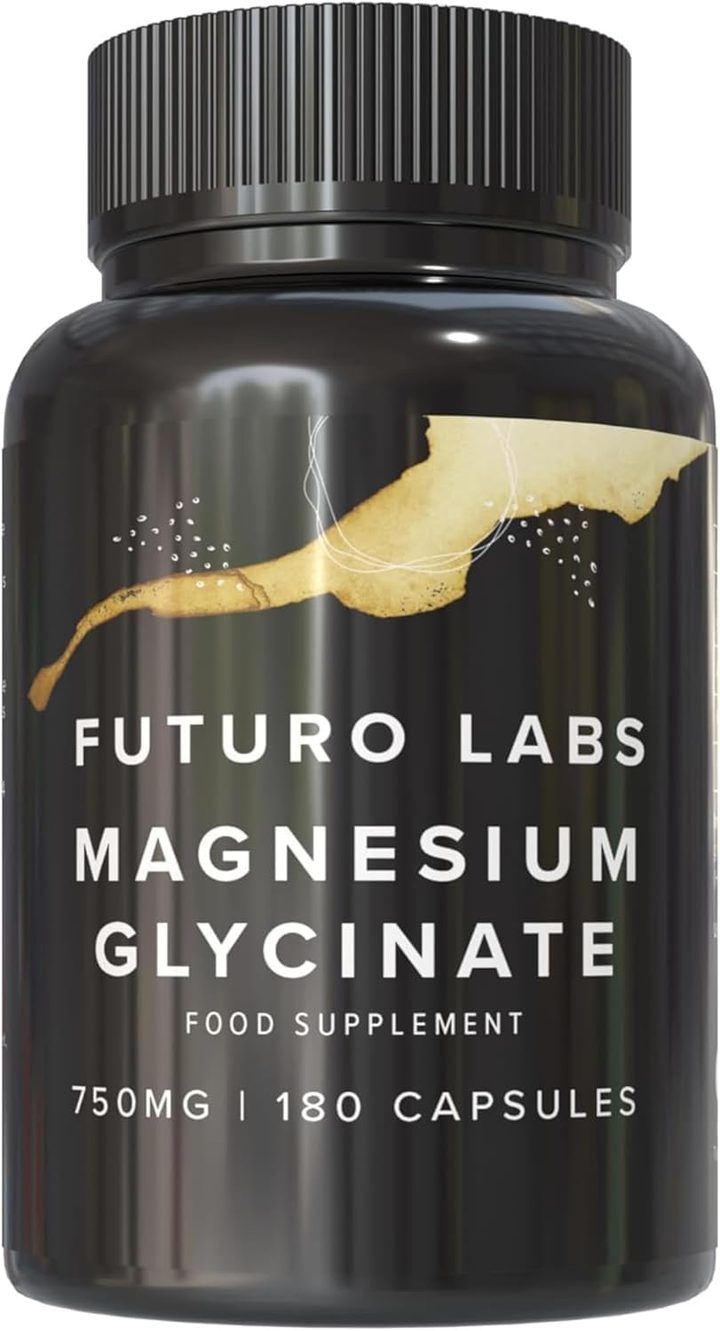
Our brand: the worked example on this page
Futuro Labs Magnesium Glycinate
- 22p a day
- 180 capsules, 2 capsules daily
- Lab tested
- Made in the UK
The capsule beside the shake, bisglycinate so the session stays clean: Futuro Labs Magnesium Glycinate on Amazon UK, 300mg elemental at 80% NRV, £19.99 for 90 days at 22p. Full label breakdown. The post-gym shelf is on the after-gym page; the compatibility matrix on the not-react-well page.
Yes, the shake decoded, its protein and its minerals, and the anchor it makes
Can you take magnesium with a protein shake is answered yes, and decoding the shake explains why and adds two notes. The protein: whey, casein, soy and pea protein are proteins, and proteins bind no minerals in the gut in the way the chelating antibiotics or phytate do, so magnesium beside a scoop of any of them absorbs as it would beside a chicken breast, the stacking pages' standing finding that protein and magnesium share a meal without conflict, and the shake's food-like slowing of transit helping absorption slightly rather than hurting it. The calcium: a 30 gram scoop of whey concentrate carries around 100 to 150mg of calcium, milk's mineral coming through, and the calcium-magnesium competition for intestinal transport is real only at gram-scale calcium, a high-dose prescription rather than a scoop, so a shake's calcium is no competitor, the react-badly page's weak column and a yoghurt-sized irrelevance. The anchor: a daily supplement needs a fixed point it will not be forgotten at, and a lifter's protein shake is one of the most reliable fixed points they have, made at the same hour most days and drunk without fail, so a capsule dropped beside the shaker is a capsule still being taken in month three, the habit pages' finding and a better anchor than a bedtime the lifter is asleep before, with the honest caveat that rest days without a shake need their own anchor, dinner covering them.
The two notes, a fortified powder's magnesium line and the pre-training citrate, and the pairing filed
Two notes complete the answer. A fortified powder: some protein powders, meal-replacement blends and mass gainers are fortified with vitamins and minerals and declare magnesium on the nutrient table, typically 50 to 150mg a serving, which is counted toward the day's total against the 400mg guidance level like a multivitamin's line or an antacid's, the not-with page's hidden-magnesium list, so a reader on a fortified shake plus a 300mg capsule reads the shake's label once and adds it up, a 100mg line making the total 400 and at the level rather than under it, and a reader whose shake declares no magnesium has nothing to add. The pre-training citrate: the one pairing to avoid is a laxative salt in a shake drunk before a session, since citrate's and oxide's osmotic effect arrives within hours of a dose that exceeds absorption and a pre-training shake schedules it into the session, the before-or-after-gym page's session risk and the runners' page's trots, so a reader who mixes their magnesium into a shake uses bisglycinate, the least laxative salt, or keeps the shake and the capsule to the post-training or evening slot where an effect would not matter, the citrate-and-DOMS page's timing. A powder form of bisglycinate mixes into a shake and tastes of little, a capsule opens into one for a reader who cannot swallow it, and the elemental dose is unchanged by the mixing. The pairing filed: magnesium with a protein shake is fine, the protein binding nothing, the scoop's calcium competing with nothing and the shake making a reliable anchor, with a fortified powder's magnesium counted and a laxative salt kept out of the pre-training shake, the worked example being the capsule beside the shake in the salt that keeps the session clean, bisglycinate at 300mg elemental, £19.99 for 90 days at 22p.
| The item | The finding | The action |
|---|---|---|
| The protein | Whey, casein, soy, pea bind no minerals | Take them together |
| The calcium | 100 to 150mg a scoop; competition needs gram-scale calcium | No competitor |
| The anchor | A shake is one of a lifter's most reliable fixed points | The capsule beside the shaker; dinner on rest days |
| A fortified powder | Declared magnesium, typically 50 to 150mg a serving | Count it toward the 400mg level |
| The pre-training shake | Citrate or oxide schedule the osmotic effect into the session | Bisglycinate, or the post-training slot |
| Mixing it in | A bisglycinate powder or an opened capsule; the dose unchanged | For the reader who cannot swallow capsules |
The verdict, fine, an anchor, one line to count and one salt to keep out of the pre-training shake
Can you take magnesium with a protein shake: yes, whey and casein binding no minerals, a scoop's 100 to 150mg of calcium being no competitor to magnesium's gram-scale threshold, and the shake being one of a lifter's most reliable daily anchors, with two notes, that a fortified powder's declared magnesium is counted toward the day's total against the guidance level, and that a laxative salt in a pre-training shake schedules the osmotic effect into the session, so bisglycinate goes beside the shake and citrate stays out of the pre-training one. The capsule beside the shake: Futuro Labs Magnesium Glycinate, bisglycinate, 300mg elemental at 80% NRV, £19.99 for 90 days at 22p a day.
What to check on the label
- Take it with the shake: protein binds nothing.
- Ignore the scoop's calcium: a fraction of the competing amount.
- Use the shake as an anchor: dinner on rest days.
- Count a fortified powder's magnesium: toward the level.
- Keep citrate out of the pre-training shake: bisglycinate, or the post-training slot.
Our brand
The worked example: Futuro Labs Magnesium Glycinate
Futuro Labs Magnesium Glycinate is the worked example for magnesium reviews because its label states every number a review needs: 1500mg magnesium bisglycinate at 20%, 300mg elemental, 80% NRV, 2 capsules a day, 180 capsules for £19.99, 22p a day, UK made, vegan HPMC shell, batch tested for lead, mercury, arsenic and cadmium, and only the register's own magnesium claims printed.
- Elemental magnesium per serving
- 300mg (80% NRV)
- Form
- magnesium bisglycinate 20%
- Serving
- 2 capsules a day
- Bottle
- 180 capsules, 90 days
- Price
- £19.99 (22p a day)
- Capsule
- vegetarian shell, vegan product
Questions people also ask
Does whey protein affect magnesium absorption?
No: whey, casein, soy and pea proteins bind no minerals in the gut, so magnesium beside a scoop absorbs as it would beside any meal, the shake's slowing of transit helping slightly rather than hurting.
Does the calcium in a protein shake block magnesium?
No: a 30 gram scoop of whey carries around 100 to 150mg of calcium, and the calcium-magnesium competition for intestinal transport matters only at gram-scale calcium from a high-dose prescription, so a shake's calcium is a yoghurt-sized irrelevance.
Can I mix magnesium into my protein shake?
Yes, a bisglycinate powder or an opened capsule mixes in with little taste and the elemental dose unchanged; keep citrate and oxide out of a pre-training shake, since their osmotic effect arrives within hours and lands in the session.
Should I count the magnesium in my protein powder?
If the nutrient table declares it, yes: fortified powders, meal replacements and mass gainers often carry 50 to 150mg a serving, counted toward the day's total against the 400mg guidance level like a multivitamin's line or an antacid's.
Is a protein shake a good time to take magnesium?
As an anchor, yes: a shake made at the same hour most days is one of a lifter's most reliable fixed points, so a capsule beside the shaker is still being taken in month three, with dinner anchoring rest days that have no shake.
Sources
- The whey protein composition data: a 30g scoop of whey concentrate carries around 100 to 150mg of calcium, small amounts of magnesium and sodium, and no compound that binds minerals, with some powders fortified with added vitamins and minerals declared on the label. https://www.gov.uk/government/publications/composition-of-foods-integrated-dataset-cofid
- The calcium and magnesium interaction literature: calcium and magnesium share intestinal transport, and very high calcium doses can modestly reduce magnesium absorption, while ordinary supplemental amounts taken together show no meaningful effect. PubMed record
- The habit formation literature: anchoring a new behaviour to an existing daily routine is the best-documented adherence strategy, with consistency outperforming timing choices. PubMed record
- The protein intake and resistance training literature: meta-analyses support intakes around 1.6g per kilogram of body weight daily for maximising resistance-training gains, with diminishing returns above. PubMed record