Ghost Fitness/Magnesium/What does magnesium not react well with?
What does magnesium not react well with?
The short answer
A matrix. Binds and spaces, by hours: tetracyclines, fluoroquinolones, bisphosphonates, levothyroxine, gabapentin and digoxin. Competes modestly at the same meal: phytate-heavy grains and pulses, gram-scale calcium, zinc over 100mg. Reacts badly with one organ: a failed kidney. Gets on with: food, coffee, ordinary calcium, creatine, protein, vitamin D, omega-3 and adequacy zinc.
- Space, by hourstetracyclines, fluoroquinolones, bisphosphonates, levothyroxine, gabapentin; digoxin on advice
- Compete modestlyphytate at the same meal; gram-scale calcium; zinc over 100mg
- Reacts badlya failed kidney: accumulation, the one harm
- Gets on withfood, coffee, a yoghurt, creatine, protein, vitamin D, omega-3, adequacy zinc, most medicines
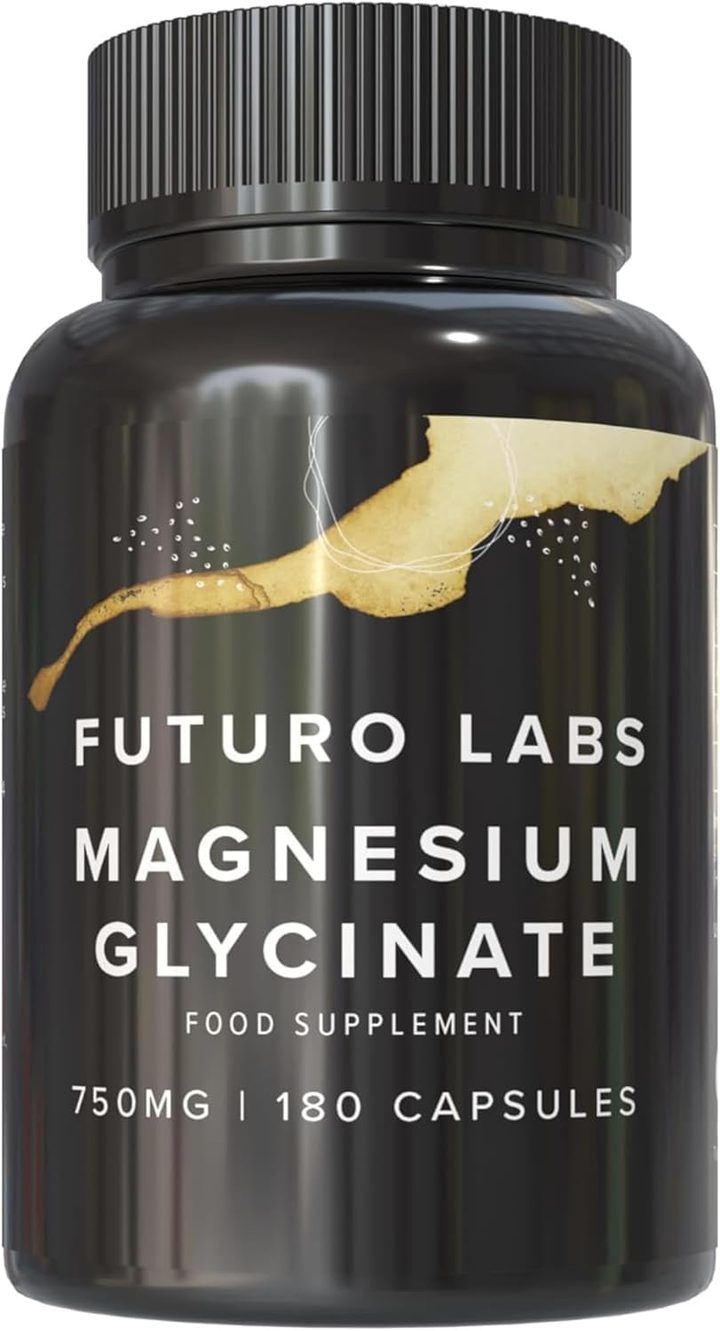
Our brand: the worked example on this page
Futuro Labs Magnesium Glycinate
- 22p a day
- 180 capsules, 2 capsules daily
- Lab tested
- Made in the UK
A single salt that sits in the gets-on-with column: Futuro Labs Magnesium Glycinate on Amazon UK, bisglycinate, 300mg elemental at 80% NRV with the evening meal, £19.99 for 90 days at 22p. Full label breakdown. The binders ranked are on the react-badly page; the day on the clock on the avoid-while-taking page.
The matrix, the space column and the compete column
What magnesium does not react well with is best laid out as a compatibility matrix with four columns, because the answers range from a strict spacing rule to a shrug and a reader needs to know which is which. The space column, medicines magnesium binds or blocks in the gut, kept two to four hours apart rather than avoided: the tetracyclines, doxycycline, minocycline and lymecycline, and the fluoroquinolones, ciprofloxacin and levofloxacin, which chelate with magnesium and lose a large share of their dose beside it; the bisphosphonates for osteoporosis and levothyroxine for the thyroid, whose absorption minerals reduce and which are taken fasted with magnesium hours away; gabapentin, which absorbs less beside magnesium; and, on a different mechanism, digoxin, whose effect is altered by magnesium status in both directions and which is a prescriber's conversation rather than a spacing rule, the medicines traffic light's green and amber lists. The compete column, things that reduce magnesium's own absorption modestly at the same meal and matter only on a marginal diet or at silly doses: phytate in unleavened wholegrains, dry pulses and raw bran, reduced by the soaking, sprouting, fermenting and leavening most cooking does; gram-scale calcium, a high-dose prescription rather than a yoghurt, which shares intestinal transport and is taken at a different sitting; and zinc at around 140mg a day, the balance study's dose, which reduced magnesium absorption and which nobody should take, adequacy zinc of 10 to 25mg sharing a plate without an issue.
The reacts-badly column, which has one entry, the gets-on-with column, which is long, and the matrix filed
The reacts-badly column has one entry and it is an organ rather than a substance: a failed kidney. Magnesium's only genuinely bad reaction in the body is accumulation when excretion stops, chronic kidney disease, reduced kidney function or dialysis letting an ordinary dose build toward hypermagnesaemia, the warning card's call-now list, so that magnesium in any form, antacids and laxatives included, reacts badly with kidney failure and is a prescriber's decision there, with the related cautions of myasthenia gravis, heart block, bowel obstruction and Addison's disease being ask-first conditions rather than reactions. The gets-on-with column is the long one, and it retires most of the folklore: food, which helps absorption rather than hurting it; coffee, whose caffeine binds nothing; a yoghurt's or a cheese's calcium; creatine, protein powder, vitamin D, omega-3, adequacy zinc, B vitamins and the rest of the ordinary cupboard, none of which binds, competes with or is changed by magnesium; alcohol in moderation, which reacts with nothing in the gut and drains magnesium only when heavy; and most medicines, penicillins, cephalosporins, macrolides, statins, levetiracetam, mesalazine, antihistamines, the contraceptive pill and the common analgesics among them, which share no pathway with magnesium and need no spacing, a pharmacist confirming the whole cupboard in one conversation. The matrix filed: six medicines spaced by hours, three modest competitors at the same meal, one organ that reacts badly, and a long column of things magnesium gets on with perfectly well, with the worked example being a single salt that sits in the gets-on-with column beside the evening meal, bisglycinate at 300mg elemental, £19.99 for 90 days at 22p.
| The column | The entries | The rule |
|---|---|---|
| Space, by hours | Tetracyclines, fluoroquinolones, bisphosphonates, levothyroxine, gabapentin | Two to four hours apart; the medicine loses absorption |
| Discuss | Digoxin; diuretics; proton-pump inhibitors | Status effects; a prescriber's conversation |
| Compete modestly | Phytate-heavy grains and pulses; gram-scale calcium; zinc over 100mg | A mixed plate; a different sitting; never that much zinc |
| Reacts badly | A failed kidney | Accumulation; a prescriber's decision |
| Gets on with | Food, coffee, a yoghurt, creatine, protein, vitamin D, omega-3, adequacy zinc | Take them together |
| Gets on with | Penicillins, cephalosporins, macrolides, statins, levetiracetam, mesalazine, the pill, common analgesics | No spacing; a pharmacist confirms |
The verdict, a matrix with a short bad column and a long good one
What does magnesium not react well with: laid out as a matrix, six medicines it binds or blocks in the gut and is spaced from by hours, tetracyclines, fluoroquinolones, bisphosphonates, levothyroxine, gabapentin and digoxin on advice, three things it competes with modestly at the same meal, phytate-heavy grains and pulses, gram-scale calcium and zinc over 100mg, one organ it reacts badly with, a failed kidney where it accumulates, and a long column it gets on with perfectly well, food, coffee, ordinary calcium, creatine, protein, vitamin D, omega-3, adequacy zinc and most medicines after a pharmacist's glance. A single salt in the gets-on-with column: Futuro Labs Magnesium Glycinate, bisglycinate, 300mg elemental at 80% NRV with the evening meal, £19.99 for 90 days at 22p a day.
What to check on the label
- Space the six: by hours, for the medicine's sake.
- Shrug at the competitors: a mixed plate, a different sitting, sensible zinc.
- Treat the kidney as the one bad reaction: a prescriber's decision.
- Take the long column together: food, coffee, the cupboard.
- Ask a pharmacist once: the whole cupboard in one conversation.
Our brand
The worked example: Futuro Labs Magnesium Glycinate
Futuro Labs Magnesium Glycinate is the worked example for magnesium reviews because its label states every number a review needs: 1500mg magnesium bisglycinate at 20%, 300mg elemental, 80% NRV, 2 capsules a day, 180 capsules for £19.99, 22p a day, UK made, vegan HPMC shell, batch tested for lead, mercury, arsenic and cadmium, and only the register's own magnesium claims printed.
- Elemental magnesium per serving
- 300mg (80% NRV)
- Form
- magnesium bisglycinate 20%
- Serving
- 2 capsules a day
- Bottle
- 180 capsules, 90 days
- Price
- £19.99 (22p a day)
- Capsule
- vegetarian shell, vegan product
Questions people also ask
What medications should not be taken with magnesium?
Within two to four hours: the tetracycline and fluoroquinolone antibiotics, the bisphosphonates, levothyroxine and gabapentin, which lose absorption beside magnesium; digoxin, diuretics and proton-pump inhibitors are a prescriber's conversation about magnesium status rather than a spacing rule.
Does magnesium react with food or coffee?
No: food helps absorption rather than hurting it, coffee's caffeine binds nothing, and only phytate-heavy unleavened grains and dry pulses trim absorption modestly at the same meal, which matters only on a marginal diet.
Can I take magnesium with creatine, protein and vitamin D?
Yes: creatine, protein powder, vitamin D, omega-3, adequacy zinc and B vitamins neither bind nor compete with magnesium and share the evening meal with it without conflict.
Which common medicines are fine with magnesium?
Penicillins, cephalosporins, macrolides, statins, levetiracetam, mesalazine, antihistamines, the contraceptive pill and the common analgesics share no pathway with magnesium and need no spacing, a pharmacist confirming the whole cupboard in one conversation.
What is the one thing magnesium genuinely reacts badly with?
A failed kidney: when excretion stops, an ordinary dose accumulates toward hypermagnesaemia, so magnesium in any form is a prescriber's decision in chronic kidney disease, reduced kidney function or dialysis.
Sources
- The antibiotic and mineral interaction literature: tetracyclines and fluoroquinolones chelate with divalent cations, magnesium, calcium, iron and zinc, and lose absorption when taken together, while penicillins such as amoxicillin, cephalosporins, macrolides and metronidazole show no such interaction. PubMed record
- The magnesium and medicines literature: magnesium supplements reduce absorption of tetracycline and quinolone antibiotics, bisphosphonates and levothyroxine when taken together and are spaced from them, while proton-pump inhibitors and some diuretics lower magnesium status, a reason for medical advice in either direction. PubMed record
- The phytate and mineral absorption literature: phytic acid in wholegrains, legumes and seeds binds magnesium, zinc and iron in the gut and reduces their absorption at the same meal, an effect of modest size in mixed diets. PubMed record
- The hypermagnesaemia literature: the kidneys excrete surplus magnesium, so supplementation is safe for healthy adults within guidance and warrants medical advice in chronic kidney disease, where impaired excretion allows magnesium to accumulate. PubMed record