Ghost Fitness/Magnesium/What does magnesium react badly with?
What does magnesium react badly with?
The short answer
Ranked by strength: strongest, the drugs magnesium chelates in the gut, tetracyclines, fluoroquinolones, bisphosphonates, levothyroxine and gabapentin, spaced by hours; moderate, phytate in unleavened wholegrains and dry pulses, which binds a little at the same meal; weak, competing minerals at gram-scale calcium or over 100mg of zinc. Coffee, food and ordinary calcium are not reactions.
- Strongest: drug chelationtetracyclines, fluoroquinolones, bisphosphonates, levothyroxine, gabapentin: the drug's absorption cut; spaced by hours
- Moderate: phytateunleavened wholegrains, dry pulses, bran: a little magnesium bound at the same meal
- Weak: competing mineralsgram-scale calcium, zinc over 100mg: irrelevant at adequacy doses
- Not reactionscoffee, ordinary food, a yoghurt's calcium, creatine, protein, vitamin D, omega-3
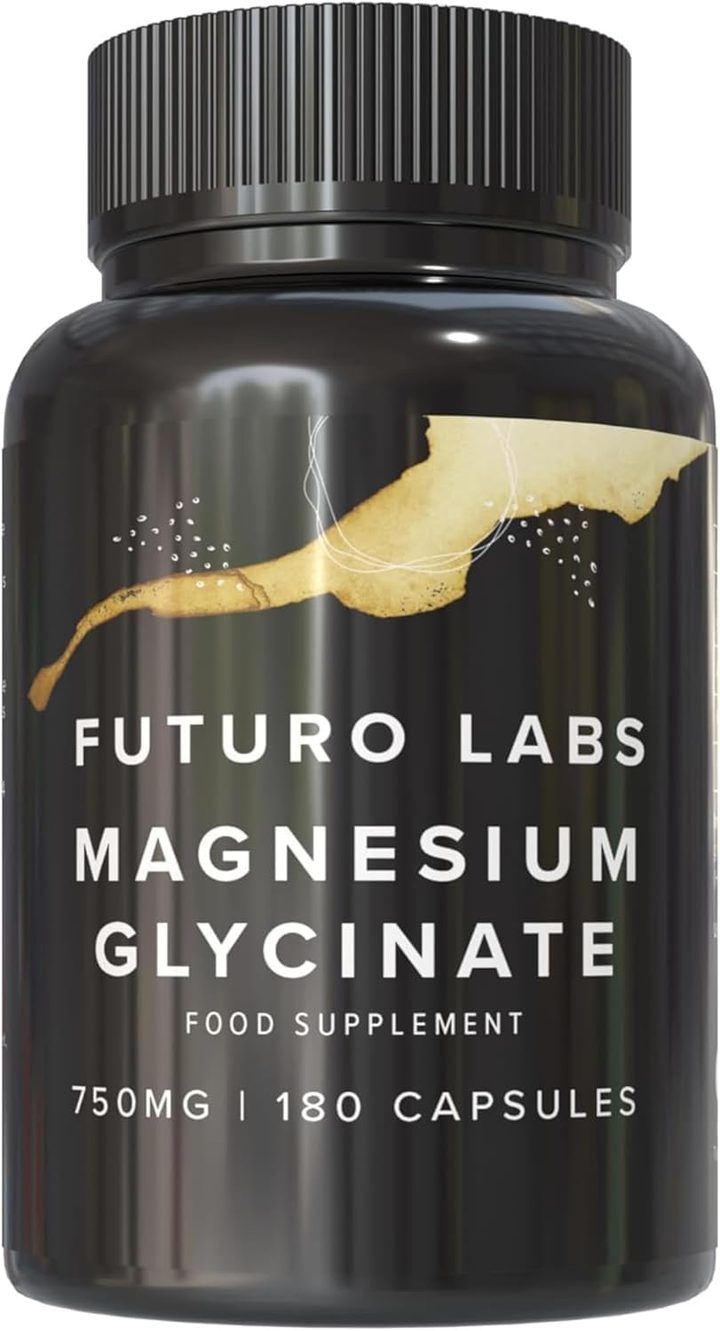
Our brand: the worked example on this page
Futuro Labs Magnesium Glycinate
- 22p a day
- 180 capsules, 2 capsules daily
- Lab tested
- Made in the UK
A single salt with a short reaction list: Futuro Labs Magnesium Glycinate on Amazon UK, bisglycinate, 300mg elemental at 80% NRV with the evening meal, £19.99 for 90 days at 22p. Full label breakdown. The four not-with lists are on the not-with page; the cancels-out page on the cancels-out page.
The binders ranked by strength, because what magnesium reacts with is chemistry in the gut and the chemistry has a scale
What magnesium reacts badly with is a chemistry question, since magnesium is an ion and its reactions in the gut are bindings, and ranking the binders by strength turns a folklore list into a useful one. Strongest, drug chelation: certain medicines bind magnesium ions in the gut into complexes that are not absorbed, and the reaction is bad for the drug rather than the magnesium, the tetracyclines, doxycycline and minocycline, and the fluoroquinolones, ciprofloxacin and levofloxacin, losing a large share of their dose when taken with magnesium, the bisphosphonates and levothyroxine losing absorption to minerals near them, and gabapentin absorbing less beside magnesium, all of which are spaced by two to four hours rather than avoided, the medicines traffic light's green list, and all of which a pharmacist confirms in a sentence. Moderate, phytate: the phosphorus-storage compound in wholegrains, legumes, nuts, seeds and bran binds magnesium, zinc and iron in the gut and reduces their absorption at the same meal, an effect that is real, modest in a mixed diet, largest with unleavened wholegrain bread, dry pulses and raw bran, and reduced by the soaking, sprouting, fermenting and leavening that most cooking already does, so a capsule with a bowl of dry pulses absorbs a little less than one with a mixed plate and the difference matters only on a marginal diet. Weak, competing minerals: calcium and magnesium share intestinal transport and gram-scale calcium can modestly reduce magnesium uptake, and zinc at around 140mg a day reduced magnesium absorption in a balance study, both real at doses nobody should take and irrelevant at adequacy, a yoghurt's calcium and a 15mg zinc tablet reacting with nothing.
The folklore reactions that are not reactions, the one bad reaction in the other direction, and the list filed
The folklore reactions that are not reactions deserve naming, since they generate most of the search. Coffee: caffeine is a minor diuretic with a footnote effect on magnesium balance and no binding in the gut, so a capsule beside a coffee reacts with nothing. Ordinary food: a meal slows transit and lengthens absorption, magnesium being absorbed at least as well fed as fasted, and the fat-soluble vitamins' need for dietary fat does not apply to a mineral, so the instruction to separate magnesium from meals is backwards. Ordinary calcium: the folklore's insistence on separating calcium and magnesium by hours rests on the gram-scale competition above and is an irrelevance beside a yoghurt, a cheese or a modest calcium tablet. And the ordinary cupboard, creatine, protein, vitamin D, omega-3, zinc at adequacy, B vitamins, none of which binds, competes with or is changed by magnesium, the stacking pages' standing finding. The one bad reaction in the other direction is worth its own line: magnesium in the body reacts badly with a failed kidney, not by chemistry in the gut but by accumulation, excretion failing and hypermagnesaemia following, the safety pages' red gate and the only reaction on this page that can harm. The list filed: strongest, the chelated drugs, spaced by hours; moderate, phytate at the same meal, a marginal diet's note; weak, gram-scale calcium and high-dose zinc, irrelevant at adequacy; and not reactions at all, coffee, food, ordinary calcium and the rest of the cupboard, with the worked example being a single salt with a short list, bisglycinate at 300mg elemental with the evening meal, £19.99 for 90 days at 22p, hours from any fasted morning medicine and beside everything else.
| The strength | The binder | The action |
|---|---|---|
| Strongest | Tetracyclines, fluoroquinolones, bisphosphonates, levothyroxine, gabapentin | Space by two to four hours; the drug loses absorption, not the magnesium |
| Moderate | Phytate: unleavened wholegrains, dry pulses, raw bran | A mixed plate; cooking reduces it; matters only on a marginal diet |
| Weak | Gram-scale calcium; zinc over 100mg | Irrelevant at adequacy; a different sitting if high-dose |
| Not a reaction | Coffee, ordinary food, a yoghurt's calcium | Take the capsule beside them |
| Not a reaction | Creatine, protein, vitamin D, omega-3, adequacy zinc | The ordinary cupboard |
| The other direction | A failed kidney: accumulation, not chemistry | The one reaction that can harm |
The verdict, three binders on a scale and a folklore that binds nothing
What does magnesium react badly with: ranked by strength, the drugs it chelates in the gut, tetracyclines, fluoroquinolones, bisphosphonates, levothyroxine and gabapentin, which lose absorption and are spaced by hours, then phytate in unleavened wholegrains and dry pulses, which binds a little at the same meal and matters only on a marginal diet, then competing minerals at gram-scale calcium or zinc over 100mg, irrelevant at adequacy, with coffee, ordinary food, a yoghurt's calcium and the rest of the cupboard not reacting at all, and the only reaction that can harm running the other way, magnesium accumulating in a failed kidney. The single salt with a short list: Futuro Labs Magnesium Glycinate, bisglycinate, 300mg elemental at 80% NRV with the evening meal, £19.99 for 90 days at 22p a day.
What to check on the label
- Space the chelated drugs: the strongest reaction, and the drug's loss.
- Eat a mixed plate: phytate is moderate and cooking reduces it.
- Ignore competing minerals at adequacy: gram-scale only.
- Take it beside coffee, food and yoghurt: not reactions.
- Remember the kidney: the one reaction that can harm.
Our brand
The worked example: Futuro Labs Magnesium Glycinate
Futuro Labs Magnesium Glycinate is the worked example for magnesium reviews because its label states every number a review needs: 1500mg magnesium bisglycinate at 20%, 300mg elemental, 80% NRV, 2 capsules a day, 180 capsules for £19.99, 22p a day, UK made, vegan HPMC shell, batch tested for lead, mercury, arsenic and cadmium, and only the register's own magnesium claims printed.
- Elemental magnesium per serving
- 300mg (80% NRV)
- Form
- magnesium bisglycinate 20%
- Serving
- 2 capsules a day
- Bottle
- 180 capsules, 90 days
- Price
- £19.99 (22p a day)
- Capsule
- vegetarian shell, vegan product
Questions people also ask
What should magnesium not be taken with?
Within two to four hours of the drugs it chelates, tetracyclines, fluoroquinolones, bisphosphonates, levothyroxine and gabapentin, which lose absorption beside it; everything else, coffee, food, ordinary calcium and the ordinary cupboard, is fine.
Does magnesium react with coffee?
No: caffeine is a minor diuretic with a footnote effect on magnesium balance and binds nothing in the gut, so a capsule beside a coffee reacts with nothing.
Does magnesium react with calcium?
Only at gram-scale calcium, where the two compete for intestinal transport and magnesium uptake falls modestly; a yoghurt, a cheese or a modest calcium tablet beside a magnesium capsule shows no meaningful effect.
Which foods bind magnesium?
Phytate in unleavened wholegrains, dry pulses, nuts, seeds and raw bran binds a little magnesium at the same meal, an effect that soaking, sprouting, fermenting and leavening reduce and that matters only on a marginal diet.
Is there a reaction with magnesium that is actually dangerous?
One, in the other direction: magnesium accumulates in a failed kidney because excretion stops, the safety pages' red gate, whereas the gut reactions above are spacing rules that harm the drug's absorption rather than the reader.
Sources
- The antibiotic and mineral interaction literature: tetracyclines and fluoroquinolones chelate with divalent cations, magnesium, calcium, iron and zinc, and lose absorption when taken together, while penicillins such as amoxicillin, cephalosporins, macrolides and metronidazole show no such interaction. PubMed record
- The phytate and mineral absorption literature: phytic acid in wholegrains, legumes and seeds binds magnesium, zinc and iron in the gut and reduces their absorption at the same meal, an effect of modest size in mixed diets. PubMed record
- The calcium and magnesium interaction literature: calcium and magnesium share intestinal transport, and very high calcium doses can modestly reduce magnesium absorption, while ordinary supplemental amounts taken together show no meaningful effect. PubMed record
- The zinc and magnesium interaction literature: very high supplemental zinc, in the region of 140mg a day, reduced magnesium absorption and balance in a metabolic study, while ordinary supplemental doses of 10 to 25mg show no meaningful interaction, and high zinc also depletes copper. PubMed record