Ghost Fitness/Magnesium/What should you not take with magnesium glycinate?
What should you not take with magnesium glycinate?
The short answer
Four lists: medicines spaced by hours, tetracyclines, quinolones, bisphosphonates and levothyroxine; medicines that change magnesium status, PPIs and diuretics, for a pharmacist; minerals that compete only at high doses, zinc over 100mg and large calcium; and hidden magnesium in laxatives and antacids.
- List one: spaced by hourstetracycline and quinolone antibiotics, bisphosphonates, levothyroxine
- List two: status changersproton-pump inhibitors and loop or thiazide diuretics lower it; a pharmacist decides
- List three: high-dose mineralszinc above 100mg and very high calcium compete; ordinary doses do not
- List four: hidden magnesiummilk of magnesia, Epsom salts, magnesium antacids: double-counting
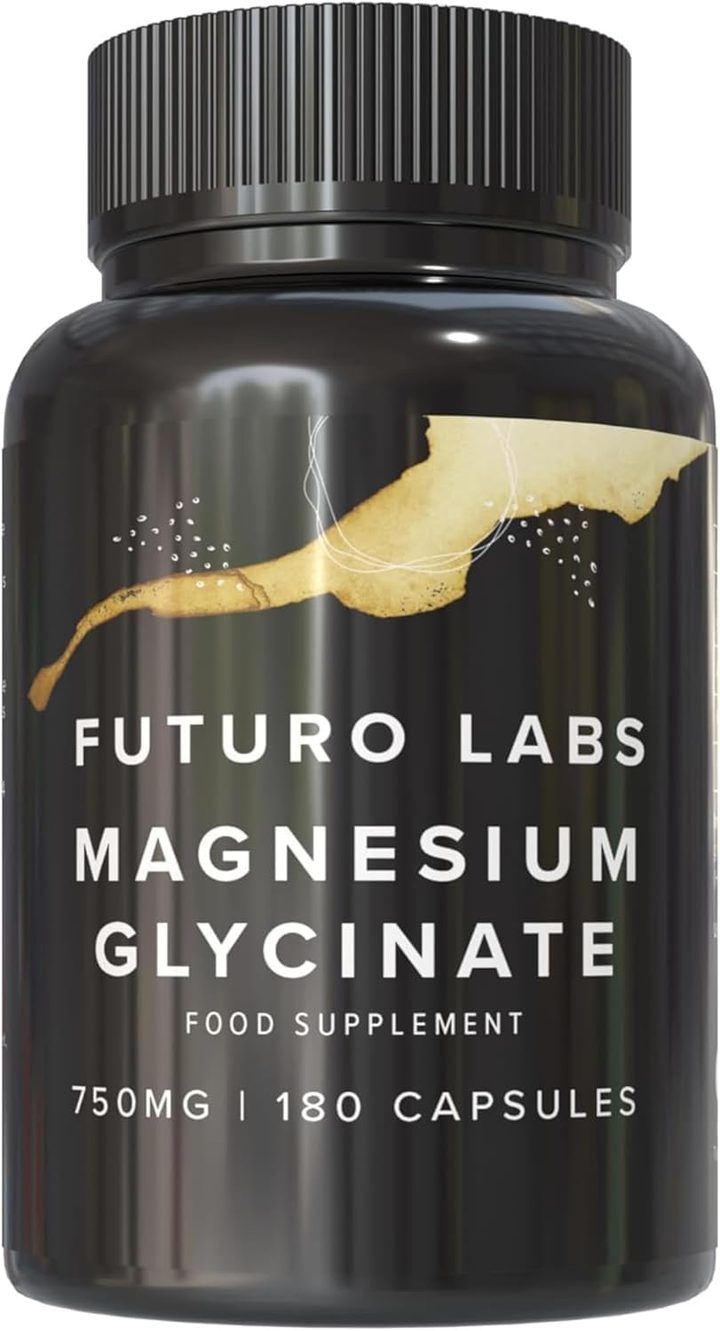
Our brand: the worked example on this page
Futuro Labs Magnesium Glycinate
- 22p a day
- 180 capsules, 2 capsules daily
- Lab tested
- Made in the UK
A single-salt magnesium that keeps the lists short: Futuro Labs Magnesium Glycinate on Amazon UK, bisglycinate, 300mg elemental at 80% NRV, £19.99 for 90 days at 22p. Full label breakdown. The empty-stomach medicine collision is on the empty-stomach page; the no-doctor page on the without-a-doctor page.
List one, the medicines magnesium is spaced from, and list two, the medicines that change what magnesium is doing
What not to take with magnesium glycinate is answered by four lists, and the first two are medicines, in different relationships to the mineral. List one, the medicines magnesium is spaced from because it reduces their absorption when taken together: the tetracycline and quinolone antibiotics, which chelate with magnesium in the gut and lose effect, spaced by hours in either direction for the course; the bisphosphonates for osteoporosis, whose already poor absorption is reduced further by minerals, taken fasted with water and kept hours from magnesium; and levothyroxine, the thyroid medicine, whose absorption magnesium, calcium and iron all reduce, the usual guidance being a gap of about four hours, so that the fasted morning levothyroxine and the evening magnesium never meet, the empty-stomach page's collision. None of these is a reason not to take magnesium, only a reason to take it hours away, and a pharmacist confirms the spacing for anyone on them. List two, the medicines that change magnesium's status rather than its absorption: proton-pump inhibitors, taken long-term for reflux, lower magnesium status by reducing gut uptake, and loop and thiazide diuretics increase urinary magnesium loss, both being reasons a doctor may suggest magnesium rather than reasons to avoid it, while potassium-sparing diuretics and kidney disease reduce magnesium excretion and are the cases where a supplement needs medical advice, the without-a-doctor page's exceptions. Neither list is a not-with in the folklore sense, and both are the pharmacist's one conversation for anyone on regular medication, the whole cupboard included.
List three, the minerals that compete only at high doses, and list four, the hidden magnesium that double-counts
List three is the minerals, and the honest finding is that competition exists at doses nobody should be taking and not at doses anyone should. Zinc: very high supplemental zinc, around 140mg a day in the balance study, reduced magnesium absorption, while 10 to 25mg does not, the zinc-and-magnesium-at-night page's dose-dependent teach, so zinc is not on the not-with list at adequacy. Calcium: calcium and magnesium share intestinal transport and very high calcium doses can modestly reduce magnesium uptake, while ordinary supplemental amounts taken together show no meaningful effect, so the folklore instruction to separate them by hours is a precaution for gram-scale calcium and an irrelevance for a 300mg magnesium beside a yoghurt or a modest calcium tablet, a reader on high-dose calcium for a medical reason splitting the two by a meal. Iron: no meaningful interaction with magnesium at supplemental doses, iron's own spacing rules concerning calcium, tea and coffee rather than magnesium. List four is the one the folklore misses entirely, hidden magnesium: milk of magnesia and other magnesium hydroxide laxatives, Epsom salts taken by mouth, magnesium-based antacids and some indigestion remedies, and multivitamins with a magnesium line, all of which add elemental magnesium on top of a glycinate dose without announcing it, so that a reader taking a magnesium antacid daily beside a 300mg glycinate has passed the 400mg supplemental guidance level without noticing and met the laxative effect the hydroxide was chosen for, the sum across every source being the number that matters. The lists filed: spaced medicines by hours, status-changing medicines for a pharmacist, minerals a non-issue at adequacy, hidden magnesium counted, and nothing on any list being an ordinary supplement taken at a sensible dose, the worked example being a single-salt bisglycinate that sits beside creatine, protein, vitamin D, omega-3, zinc at adequacy and the rest without a conflict, 300mg elemental at 80% NRV, £19.99 for 90 days at 22p.
| The list | The items | The action |
|---|---|---|
| Spaced by hours | Tetracyclines, quinolones, bisphosphonates, levothyroxine | Hours apart; a pharmacist confirms |
| Status changers | PPIs and loop or thiazide diuretics lower it; kidney disease and potassium-sparing diuretics reduce excretion | A pharmacist or doctor decides |
| High-dose minerals | Zinc over 100mg; gram-scale calcium | Irrelevant at adequacy doses |
| Hidden magnesium | Milk of magnesia, Epsom salts, magnesium antacids, multivitamins | Sum across every source; stay under 400mg supplemental |
| Ordinary supplements | Creatine, protein, vitamin D, omega-3, zinc at adequacy | Nothing to avoid |
| The worked example | A single-salt bisglycinate | Short lists by design |
The verdict, four lists and a short one for most
What should you not take with magnesium glycinate: nothing among ordinary supplements at sensible doses, and four lists worth knowing, the medicines magnesium is spaced from by hours, tetracyclines, quinolones, bisphosphonates and levothyroxine, the medicines that change magnesium status and belong to a pharmacist's conversation, proton-pump inhibitors and diuretics, the minerals that compete only at high doses, zinc above 100mg and gram-scale calcium, and the hidden magnesium in laxatives, antacids and multivitamins that double-counts toward the 400mg level. The single salt with short lists: Futuro Labs Magnesium Glycinate, 300mg elemental at 80% NRV, £19.99 for 90 days at 22p a day.
What to check on the label
- Space the four medicines: antibiotics, bisphosphonates, levothyroxine, by hours.
- Take status changers to a pharmacist: PPIs, diuretics, kidney disease.
- Ignore mineral folklore at adequacy: zinc and calcium compete only at high doses.
- Count hidden magnesium: laxatives, antacids, multivitamins.
- Combine ordinary supplements freely: nothing on any list.
Our brand
The worked example: Futuro Labs Magnesium Glycinate
Futuro Labs Magnesium Glycinate is the worked example for magnesium reviews because its label states every number a review needs: 1500mg magnesium bisglycinate at 20%, 300mg elemental, 80% NRV, 2 capsules a day, 180 capsules for £19.99, 22p a day, UK made, vegan HPMC shell, batch tested for lead, mercury, arsenic and cadmium, and only the register's own magnesium claims printed.
- Elemental magnesium per serving
- 300mg (80% NRV)
- Form
- magnesium bisglycinate 20%
- Serving
- 2 capsules a day
- Bottle
- 180 capsules, 90 days
- Price
- £19.99 (22p a day)
- Capsule
- vegetarian shell, vegan product
Questions people also ask
Which medications should not be taken at the same time as magnesium?
Tetracycline and quinolone antibiotics, bisphosphonates and levothyroxine, whose absorption magnesium reduces when taken together, spaced by hours with a pharmacist confirming, rather than avoided.
Can I take calcium and magnesium together?
At ordinary doses, yes: they share transport and gram-scale calcium can modestly reduce magnesium uptake, but a 300mg magnesium beside a modest calcium tablet or a yoghurt shows no meaningful effect.
Does zinc stop magnesium being absorbed?
Only at very high zinc, around 140mg a day in the balance study; adequacy doses of 10 to 25mg show no meaningful interaction and are taken with magnesium at dinner.
What hidden sources of magnesium should I count?
Milk of magnesia and other magnesium hydroxide laxatives, Epsom salts by mouth, magnesium antacids and a multivitamin's magnesium line, all adding elemental magnesium toward the 400mg supplemental guidance level without announcing it.
Which supplements are fine with magnesium glycinate?
Creatine, protein, vitamin D, omega-3, zinc at adequacy and the rest of an ordinary cupboard: nothing on any of the four lists is a sensible dose of an ordinary supplement.
Sources
- The magnesium and medicines literature: magnesium supplements reduce absorption of tetracycline and quinolone antibiotics, bisphosphonates and levothyroxine when taken together and are spaced from them, while proton-pump inhibitors and some diuretics lower magnesium status, a reason for medical advice in either direction. PubMed record
- The zinc and magnesium interaction literature: very high supplemental zinc, in the region of 140mg a day, reduced magnesium absorption and balance in a metabolic study, while ordinary supplemental doses of 10 to 25mg show no meaningful interaction, and high zinc also depletes copper. PubMed record
- The calcium and magnesium interaction literature: calcium and magnesium share intestinal transport, and very high calcium doses can modestly reduce magnesium absorption, while ordinary supplemental amounts taken together show no meaningful effect. PubMed record
- Expert Group on Vitamins and Minerals. Safe Upper Levels for Vitamins and Minerals. Food Standards Agency, 2003 (magnesium guidance level 400mg a day from supplements). https://cot.food.gov.uk/sites/default/files/vitmin2003.pdf