Ghost Fitness/Magnesium/Does magnesium improve strength or power output?
Does magnesium improve strength or power output?
The short answer
Split the outcomes. Power, jumps and explosive work: the volleyball trial measured status, found it marginal, supplemented, and found improved jumping performance, the cleanest power file and a repletion effect. Strength, the bar: the trained-lifter trial found no strength change, and the untrained novice trial reporting more leg strength was never replicated. Neither moves in a replete athlete.
- Powerthe volleyball trial: marginal status measured, supplemented, jumping improved
- Strengthtrained lifters on a magnesium formula: no change; untrained novices: more leg strength, unreplicated
- The patternrepletion where status was low; nothing where it was adequate
- The mechanismmagnesium-ATP at the myosin head and the pumps: a replete cofactor generates the force training built
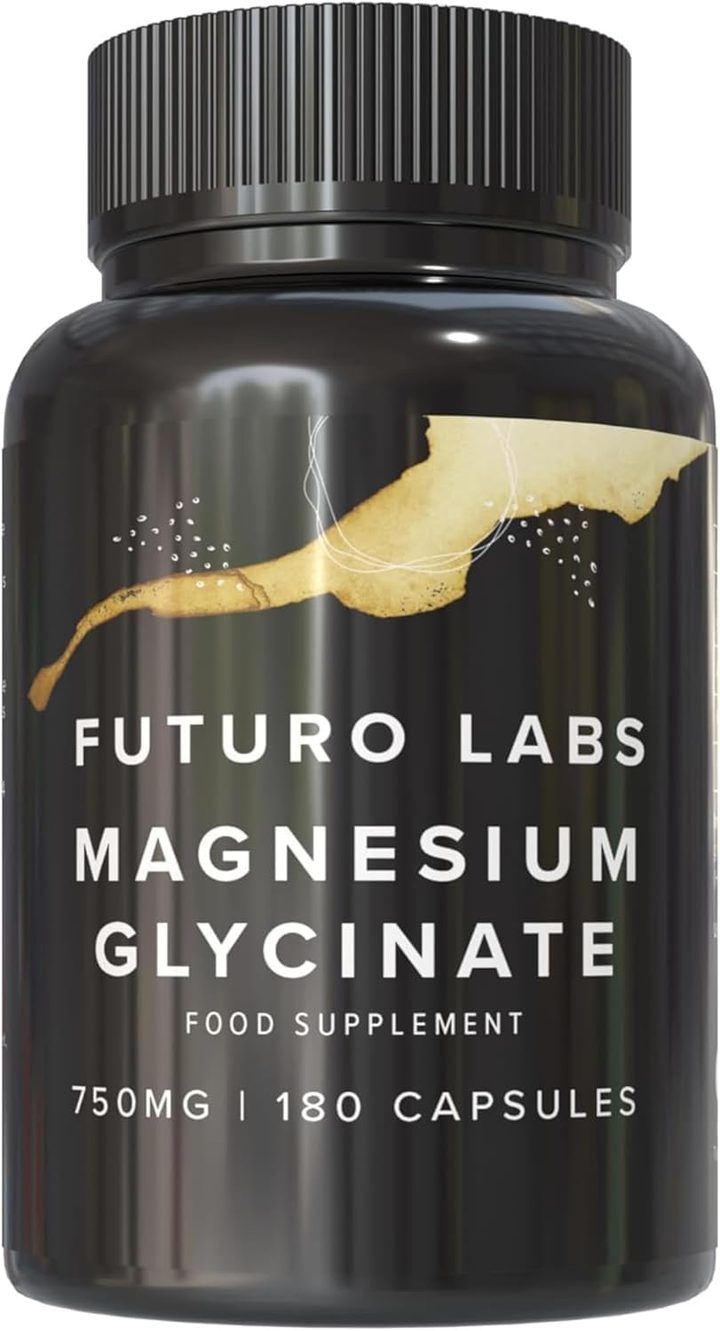
Our brand: the worked example on this page
Futuro Labs Magnesium Glycinate
- 22p a day
- 180 capsules, 2 capsules daily
- Lab tested
- Made in the UK
For the marginal-status athlete the power file describes: Futuro Labs Magnesium Glycinate on Amazon UK, bisglycinate, 300mg elemental at 80% NRV, £19.99 for 90 days at 22p. Full label breakdown. The strength-by-population page is here; the energetics of a set on the strength-training page.
Two outcomes, and the power file, which is the cleaner of the two
Does magnesium improve strength or power output is two questions, and splitting them shows that magnesium's evidence is cleaner for one than the other. Power, the explosive output of a jump, a sprint start or a clean, is the outcome with the cleanest file: the volleyball trial measured its players' magnesium status before doing anything, found it marginal, gave magnesium for a month, and found improved jumping performance and other explosive markers against placebo, the athletes flagship's clean example and the exercise reviews' best-cited trial, a repletion effect in athletes whose status was low and a demonstration that a shortfall costs power in a way that repletion restores. The mechanism fits power particularly well: explosive output runs on the phosphocreatine system, whose creatine kinase reaction requires magnesium and uses magnesium-ATP, and on the rapid cycling of the myosin stroke and the calcium pumps, both magnesium-ATP steps, so a fibre short of its cofactor produces force less quickly and a replete one produces the force its training built, the strength-training page's energetics. What the power file does not show is enhancement: the volleyball players were marginal, the improvement was a restoration, and no trial has given magnesium to replete athletes and found their jumps improve, the deficiency pattern that governs every performance claim here and the reason the register's sentences are maintenance.
The strength file, which is weaker, the pattern in both, and the two outcomes filed
Strength, the load on a bar, has the weaker file. The trained-lifter trial, the independent ZMA replication, gave 450mg of magnesium and 30mg of zinc daily to trained men through eight weeks of resistance training and found no change in strength, body composition or hormones against placebo, the cleanest test of adding magnesium to lifters whose status was presumably adequate and a null result on the outcome the question most often means. The untrained novice trial from 1992 gave magnesium at a body-weight-scaled dose to subjects starting a strength programme and reported greater leg-strength gains over seven weeks, in people whose novice gains were large on any programme and whose status was not established, a suggestive result never replicated in three decades and the strength-by-population page's footnote. The elderly-women trial improved chair-stand and walking performance on 300mg daily, functional strength in a population whose intake was low, the pattern again. The pattern in both outcomes is repletion: where status was marginal, power markers improved and functional strength improved in the trials that measured them, and where status was adequate, strength did not move and no trial found power move either, so a lifter's diet audit decides which population they are in, a cut or a rice-and-chicken plate putting them where repletion helps and a mixed plate putting them where nothing does. Strength and power themselves belong to training, the progressive stimulus, protein, energy and sleep, with magnesium the cofactor those four run on and never their driver. The two outcomes filed: power moving in marginal-status athletes on the cleanest trial, strength moving nowhere in trained lifters with a novice footnote, repletion the pattern in both and enhancement in neither, with the worked example being for the marginal-status athlete the power file describes, bisglycinate at 300mg elemental, £19.99 for 90 days at 22p.
| The outcome | The trial | The result |
|---|---|---|
| Power: jumps and explosive markers | The volleyball trial, marginal status measured | Improved: a repletion effect |
| Strength: trained lifters | The ZMA replication, eight weeks, presumably adequate status | No change |
| Strength: untrained novices | The 1992 trial, status not established | More leg strength; unreplicated |
| Functional strength: elderly women | 300mg daily, twelve weeks, low intake | Better chair-stand and walking |
| The mechanism | Magnesium-ATP at the myosin head, the pumps and creatine kinase | A replete cofactor generates the force training built |
| The pattern | Repletion where short; nothing where replete | Enhancement in neither |
The verdict, power restored in the marginal, strength unmoved in the replete
Does magnesium improve strength or power output: power, on the cleanest file, the volleyball trial measuring marginal status, supplementing and finding improved jumping performance, a repletion effect in athletes who were short; strength, on the weaker file, the trained-lifter trial finding no change from a magnesium-containing formula and the untrained novice trial's greater leg-strength gains never replicated, with repletion the pattern in both outcomes and enhancement in neither, since a replete cofactor generates the force training built and surplus magnesium is excreted rather than stored. For the marginal-status athlete: Futuro Labs Magnesium Glycinate, bisglycinate, 300mg elemental at 80% NRV, £19.99 for 90 days at 22p a day, by audit.
What to check on the label
- Split strength from power: two outcomes, two files.
- Read the power file as repletion: marginal athletes, jumps restored.
- Read the strength file as null in the trained: and a footnote in novices.
- Find your population by audit: the plate decides.
- Build strength and power with training: magnesium is the cofactor, not the driver.
Our brand
The worked example: Futuro Labs Magnesium Glycinate
Futuro Labs Magnesium Glycinate is the worked example for magnesium reviews because its label states every number a review needs: 1500mg magnesium bisglycinate at 20%, 300mg elemental, 80% NRV, 2 capsules a day, 180 capsules for £19.99, 22p a day, UK made, vegan HPMC shell, batch tested for lead, mercury, arsenic and cadmium, and only the register's own magnesium claims printed.
- Elemental magnesium per serving
- 300mg (80% NRV)
- Form
- magnesium bisglycinate 20%
- Serving
- 2 capsules a day
- Bottle
- 180 capsules, 90 days
- Price
- £19.99 (22p a day)
- Capsule
- vegetarian shell, vegan product
Questions people also ask
Does magnesium increase power output?
In athletes whose status was marginal, yes as a restoration: the volleyball trial measured low status, supplemented for a month and found improved jumping and explosive markers against placebo, while no trial has found power improve in replete athletes given more.
Does magnesium make you stronger on the bar?
Not in trained lifters with adequate status: the independent trial giving a magnesium-containing formula through eight weeks of resistance training found no strength change, and the 1992 novice trial reporting greater leg-strength gains was never replicated.
Why would magnesium affect power more than strength in the trials?
Partly the populations, the power trial having measured and found marginal status and the strength trial in trained men having presumably adequate status, and partly the mechanism, explosive output running on the phosphocreatine system and rapid myosin cycling that magnesium-ATP powers most visibly.
Should a power athlete take magnesium?
By audit: a jumper, sprinter or weightlifter whose plate runs light or who cuts weight is in the population the volleyball trial describes and closes the gap at 300mg elemental, while one on a mixed plate is replete and gains nothing, with a competitor in a tested sport choosing a certified product.
What actually improves strength and power?
The progressive training stimulus, protein at around 1.6 grams per kilogram, sufficient energy and sleep, with creatine as the supplement holding a performance claim for repeated short bursts, and magnesium the cofactor all of it runs on rather than a driver of any of it.
Sources
- Setaro L, et al. Magnesium status and the physical performance of volleyball players: effects of magnesium supplementation. Journal of Sports Sciences 2014;32(5):438-445. PubMed record
- Wilborn CD, et al. Effects of zinc magnesium aspartate (ZMA) supplementation on training adaptations and markers of anabolism and catabolism. Journal of the International Society of Sports Nutrition 2004;1(2):12-20. PubMed record
- Brilla LR, Haley TF. Effect of magnesium supplementation on strength training in humans. Journal of the American College of Nutrition 1992;11(3):326-329: a small trial in untrained subjects reporting greater strength gains with magnesium, not replicated in trained athletes. PubMed record
- Zhang Y, Xun P, Wang R, Mao L, He K. Can magnesium enhance exercise performance? Nutrients 2017;9(9):946. https://pubmed.ncbi.nlm.nih.gov/28846654/