Ghost Fitness/Magnesium/Can magnesium help with ear ringing?
Can magnesium help with ear ringing?
The short answer
Not on evidence that reaches a claim: a trial in military recruits reported less permanent noise-induced hearing loss with daily magnesium during training, and a small open-label pilot reported reduced tinnitus severity, neither replicated in a large blinded trial and no hearing claim existing. A lifter's real hearing risk is loud gyms and headphones. Persistent tinnitus is a GP question.
- The recruit trialdaily oral magnesium during noisy training; less permanent noise-induced hearing loss; not replicated at scale
- The tinnitus pilota small open-label study; reduced severity; no placebo, no replication
- The claimnone for hearing, tinnitus or ears
- The lifter's riskloud gyms, dropped plates, headphones at volume: protection and volume limits
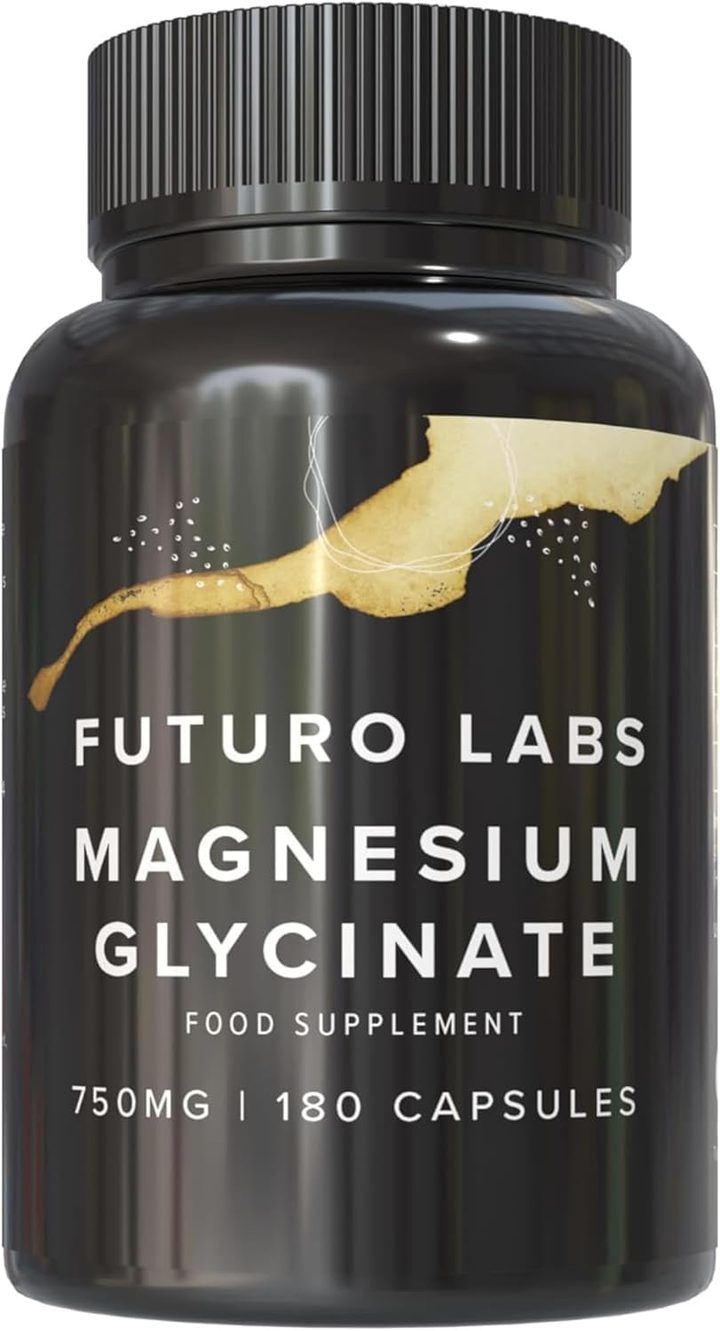
Our brand: the worked example on this page
Futuro Labs Magnesium Glycinate
- 22p a day
- 180 capsules, 2 capsules daily
- Lab tested
- Made in the UK
Magnesium for its own sentences, with no ear word on it: Futuro Labs Magnesium Glycinate on Amazon UK, bisglycinate, 300mg elemental at 80% NRV, £19.99 for 90 days at 22p. Full label breakdown. The nervous-system sentences are on the help-muscle page; the claims frame on the claims guide.
Two small files graded, and the mechanism that makes them plausible without making them a claim
Can magnesium help with ear ringing is a question with two small files behind it, and grading them honestly is the answer. The first is noise-induced hearing loss: a trial in military recruits undergoing noisy training gave daily oral magnesium or placebo and reported less permanent hearing loss in the magnesium group, a finding with a plausible mechanism, magnesium's role in the cochlea's blood flow and in damping the excitatory signalling that noise overloads, and a finding that has not been replicated in a large blinded trial in the decades since, which leaves it interesting and thin. The second is tinnitus itself: a small open-label pilot gave magnesium to adults with tinnitus and reported reduced severity on a questionnaire, with no placebo group, no blinding and no replication, the kind of study that generates a hypothesis and cannot test one, since tinnitus severity is among the most expectation-sensitive outcomes there are and an open-label pilot measures expectation as much as effect. The register holds no hearing, tinnitus or ear claim for magnesium or any supplement, magnesium's nervous-system sentence being about normal function in a replete person and not about a cochlea, so the honest reading is that magnesium's relationship to hearing is a mechanism with two small unreplicated studies, not a treatment, and that a reader with a genuine magnesium shortfall closes it for the register's reasons and not for their ears.
The lifter's real hearing risk, where tinnitus actually goes, and the question filed
The lifter's real hearing risk is worth the page's second half because it is the thing a capsule distracts from: gyms are loud, plates dropped from height and bars slammed on racks producing impulse noise that damages hearing cumulatively, gym music runs at levels that would need protection in a workplace, and headphones worn at volume to beat the room's noise for an hour a day are the commonest hearing-damaging exposure a young adult has, the combination being a recognised route to noise-induced hearing loss and to the tinnitus that accompanies it, which is the ringing many lifters searching this page have. The answer to that risk is not a mineral: headphone volume kept below sixty percent with breaks, noise-isolating or over-ear headphones that block the room so the volume can drop, foam earplugs on the platform for anyone dropping or near dropped loads, a gym asked to turn its music down, and hearing checked if ringing follows sessions. Where tinnitus actually goes: ringing that is new, persistent beyond a week or two, one-sided, pulsing with the heartbeat, or accompanied by hearing loss, dizziness or ear pain is a GP visit and then audiology, since tinnitus is a symptom with causes from earwax and infection through noise damage to rarer conditions that need finding, and the established management, hearing assessment, sound therapy, cognitive behavioural approaches and hearing aids where loss is present, has evidence a mineral does not. Magnesium's place is none, beyond a shortfall closed by audit for its own sentences. The question filed: magnesium does not help ear ringing on any evidence that reaches a claim, the recruit and pilot studies being small and unreplicated, a lifter's hearing risk being loud rooms, dropped plates and headphones answered by volume and protection, and tinnitus going to a GP and audiology, with the worked example taken for its own sentences and no ear word on it, 300mg elemental at 22p, £19.99 for 90 days.
| The item | The finding | The grade |
|---|---|---|
| The recruit trial | Less permanent noise-induced hearing loss with daily magnesium | Plausible mechanism; not replicated at scale |
| The tinnitus pilot | Reduced severity, open-label, no placebo | Expectation-sensitive; a hypothesis |
| The claim | None for hearing, tinnitus or ears | Magnesium's nervous-system sentence is not a cochlea |
| The lifter's risk | Loud gyms, dropped plates, headphones at volume | Volume limits, isolation, earplugs on the platform |
| Where tinnitus goes | New, persistent, one-sided, pulsing, with loss or dizziness | A GP, then audiology |
| The management with evidence | Assessment, sound therapy, CBT approaches, hearing aids | Not a mineral |
The verdict, two small studies, no claim, and a louder problem
Can magnesium help with ear ringing: not on evidence that reaches a claim, the trial in recruits reporting less noise-induced hearing loss and the tinnitus pilot reporting reduced severity both being small and unreplicated, with no hearing or tinnitus claim existing for any supplement, while a lifter's real hearing risk is the loud room, the dropped plates and the headphones at volume, answered by volume limits, isolating headphones and earplugs on the platform, and tinnitus that is new, persistent, one-sided, pulsing or accompanied by hearing loss or dizziness going to a GP and audiology. Magnesium for its own sentences: Futuro Labs Magnesium Glycinate, bisglycinate, 300mg elemental at 80% NRV, £19.99 for 90 days at 22p a day, no ear word on it.
What to check on the label
- Grade the two files: recruits, a pilot, neither replicated.
- Expect no claim: hearing and tinnitus are absent words.
- Protect your hearing in the gym: volume, isolation, earplugs on the platform.
- Take new or persistent ringing to a GP: then audiology.
- Keep magnesium for its sentences: by audit, not for ears.
Our brand
The worked example: Futuro Labs Magnesium Glycinate
Futuro Labs Magnesium Glycinate is the worked example for magnesium reviews because its label states every number a review needs: 1500mg magnesium bisglycinate at 20%, 300mg elemental, 80% NRV, 2 capsules a day, 180 capsules for £19.99, 22p a day, UK made, vegan HPMC shell, batch tested for lead, mercury, arsenic and cadmium, and only the register's own magnesium claims printed.
- Elemental magnesium per serving
- 300mg (80% NRV)
- Form
- magnesium bisglycinate 20%
- Serving
- 2 capsules a day
- Bottle
- 180 capsules, 90 days
- Price
- £19.99 (22p a day)
- Capsule
- vegetarian shell, vegan product
Questions people also ask
Does magnesium reduce tinnitus?
Not on evidence that reaches a claim: a small open-label pilot reported reduced tinnitus severity with magnesium, without a placebo group or replication, and tinnitus severity is among the most expectation-sensitive outcomes there are.
Can magnesium protect hearing from loud noise?
A trial in military recruits reported less permanent noise-induced hearing loss with daily magnesium during noisy training, a plausible mechanism through cochlear blood flow and excitatory signalling, but it has not been replicated in a large blinded trial and no hearing claim exists.
Why do lifters get ringing in their ears?
Loud gyms, plates dropped from height and bars slammed on racks producing impulse noise, gym music at workplace-protection levels and headphones worn at volume for an hour a day, a recognised route to noise-induced hearing loss and the tinnitus that accompanies it.
How can I protect my hearing while training?
Keep headphone volume below about sixty percent with breaks, use noise-isolating or over-ear headphones so the volume can drop, wear foam earplugs on the platform near dropped loads, ask the gym to lower its music, and get hearing checked if ringing follows sessions.
When should tinnitus be checked by a doctor?
When it is new, persists beyond a week or two, is one-sided, pulses with the heartbeat, or comes with hearing loss, dizziness or ear pain, since tinnitus is a symptom with causes from earwax and infection through noise damage to rarer conditions, and audiology has evidenced management.
Sources
- The magnesium and hearing literature: a trial in military recruits reported less permanent noise-induced hearing loss with daily oral magnesium during training, and a small open-label pilot reported reduced tinnitus severity with magnesium, neither replicated in a large blinded trial and no authorised claim existing. PubMed record
- The GB claims register, magnesium entries: magnesium contributes to a reduction of tiredness and fatigue, normal psychological function, normal nervous system function, normal muscle function and electrolyte balance, among others. https://www.gov.uk/government/publications/great-britain-nutrition-and-health-claims-nhc-register
- The expectation and sleep literature: placebo responses in insomnia trials are substantial and rapid, subjective sleep improving within nights of starting an inert treatment the sleeper believes in. PubMed record
- The magnesium and neuromuscular junction physiology: magnesium antagonises calcium at the presynaptic terminal and reduces acetylcholine release, so magnesium excess depresses neuromuscular transmission and produces weakness, while magnesium deficiency increases neuromuscular excitability and produces twitching, cramps and tetany. PubMed record