Ghost Fitness/Magnesium/Can magnesium help with weak muscles?
Can magnesium help with weak muscles?
The short answer
Only where a genuine magnesium shortfall is the cause: true weakness, a measurable loss of force, has a differential that runs through low potassium, low calcium, low magnesium, vitamin D deficiency, thyroid disease, statins, overtraining and neurological or muscle disease, and most weak muscles a lifter means are fatigue or pain-limited effort. Progressive or asymmetric weakness is urgent.
- Fatigue versus weaknessfatigue is tiredness under effort; weakness is a measurable loss of force; most weak muscles a lifter means are fatigue
- The differentiallow potassium, calcium or magnesium; vitamin D; thyroid; statins; overtraining; neurological or muscle disease
- Magnesium's squarea genuine shortfall: weakness with cramps, twitches and tremor, on a blood test, repleted over weeks
- The red flagsprogressive, asymmetric, sudden, or with numbness, speech or swallowing change: urgent
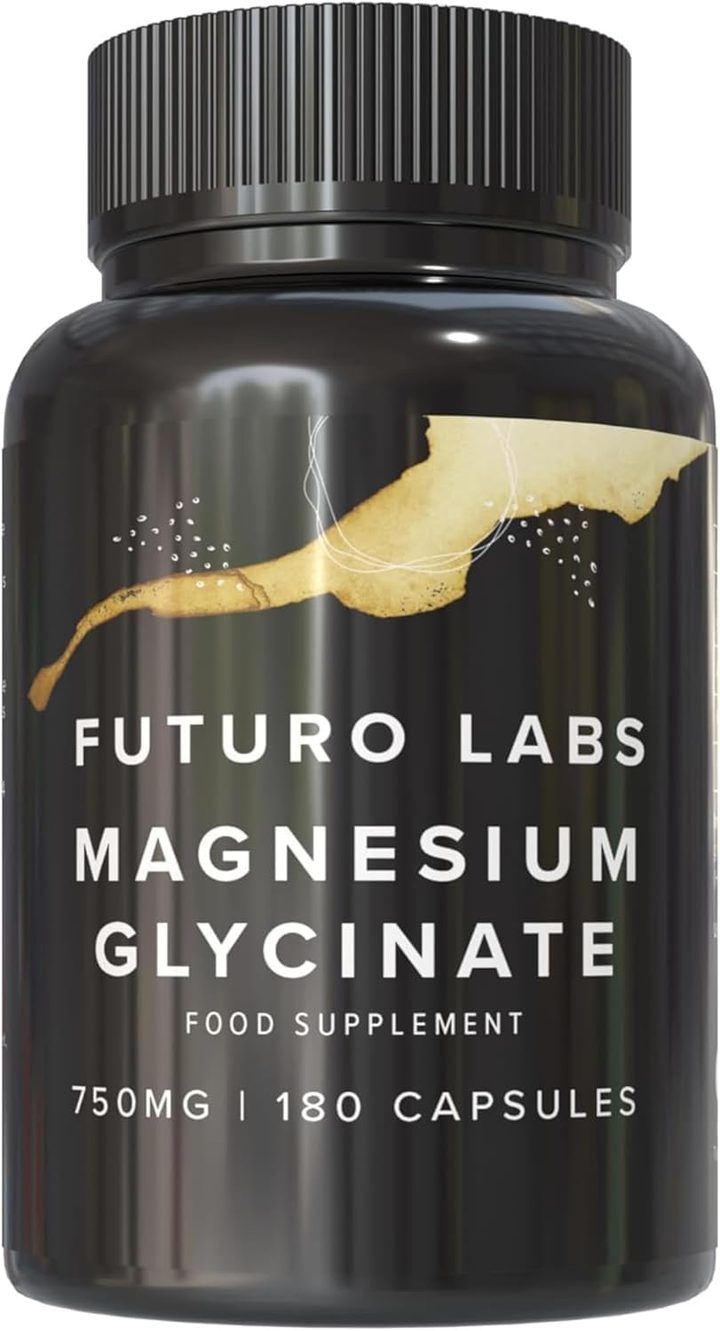
Our brand: the worked example on this page
Futuro Labs Magnesium Glycinate
- 22p a day
- 180 capsules, 2 capsules daily
- Lab tested
- Made in the UK
For the one square, by audit and blood test: Futuro Labs Magnesium Glycinate on Amazon UK, bisglycinate, 300mg elemental at 80% NRV, £19.99 for 90 days at 22p. Full label breakdown. The strength-by-population page is here; the how-you-feel page on the very-low page.
Fatigue is not weakness, and the differential a clinician runs for the real thing
Can magnesium help with weak muscles depends on what weak means, and the distinction a clinician draws first is the one most lifters skip: fatigue is tiredness under effort, muscles that feel heavy, that fail a set earlier than usual or that ache to move, and it is what most weak muscles a lifter describes turn out to be, driven by short sleep, a stacked week, a deficit, illness or a training load that outran recovery; weakness is a measurable loss of force, a lift that cannot be done at all rather than one that feels hard, a grip that has gone, a leg that will not hold a stair, and it is a symptom with a differential that a doctor works through. The differential for true weakness runs through the electrolytes, low potassium, which weakens muscle profoundly and is found on a routine panel, low calcium and low magnesium, which weaken alongside cramps, twitches and tetany; vitamin D deficiency, which produces proximal weakness, difficulty rising from a chair or climbing stairs, common in the UK in winter; thyroid disease in both directions; statins, whose muscle symptoms include weakness and a raised creatine kinase; overtraining, a true drop in force output after weeks of stacked load; and the neurological and muscle diseases, myasthenia gravis, motor neurone disease, inflammatory myopathies and nerve compressions, which are rare, serious and found by examination and tests rather than by a shelf. Magnesium's place on that differential is one square: a genuine magnesium shortfall, from alcohol, medicines, gut loss or a diet that ran badly light, weakens muscle as part of the hypomagnesaemia picture, alongside cramps, twitches and tremor, and repletion over days to weeks restores the force the shortfall cost, the strength-by-population page's pattern, with a replete muscle gaining nothing from more.
The red flags that make weakness urgent, the honest route for a lifter, and the question filed
The red flags make the page's second half non-negotiable: weakness that is progressive over days or weeks, that is asymmetric, one side or one limb, that came on suddenly, that is accompanied by numbness, tingling, double vision, drooping eyelids, difficulty speaking or swallowing, or that follows a head or neck injury, is an urgent medical question, the same day, because the rare serious causes of weakness present through exactly those features and are treated better early, and no supplement page has any business standing between a reader and that assessment. The honest route for a lifter whose muscles feel weak runs in order: first, decide whether it is fatigue or weakness, a hard set being fatigue and an impossible one being weakness; second, for fatigue, look at sleep, load, the deficit and illness before any capsule, the recovery org chart's departments; third, for weakness without red flags, a GP's blood panel, sodium, potassium, calcium, magnesium, vitamin D, thyroid function and creatine kinase, which settles the differential in one test; fourth, for a low magnesium on that panel, a labelled dose with the cause closed, the weakness lifting over the weeks the tissue pool refills; and fifth, for red flags, urgent care without waiting for any of the above. The question filed: magnesium helps weak muscles only where a genuine shortfall is the cause, one square on a differential a clinician runs, most weak muscles being fatigue with its own levers, true weakness having a blood panel and a GP, and progressive, asymmetric or sudden weakness being urgent, with the worked example taken for the one square by audit and blood test, 300mg elemental at 22p, £19.99 for 90 days, and never as a strength restorer for muscles that are simply tired.
| The item | The finding | The route |
|---|---|---|
| Fatigue | Heavy, early-failing, aching muscles under effort | Sleep, load, the deficit, illness |
| True weakness | A measurable loss of force | A GP and a blood panel |
| The electrolytes | Low potassium, calcium or magnesium | The panel; the cause closed; repletion |
| Vitamin D, thyroid, statins, overtraining | Proximal weakness; both thyroid directions; a raised CK; a force drop | The panel and a medicine review |
| Neurological and muscle disease | Rare and serious | Examination and tests |
| The red flags | Progressive, asymmetric, sudden, with numbness, speech or swallowing change | Urgent care the same day |
The verdict, one square on a differential, and a symptom that can be urgent
Can magnesium help with weak muscles: only where a genuine magnesium shortfall is the cause, one square on a differential that a clinician runs through low potassium, calcium and magnesium, vitamin D deficiency, thyroid disease, statins, overtraining and neurological or muscle disease, with most weak muscles a lifter means being fatigue rather than weakness and having sleep, load and the deficit as their levers, true weakness having a GP's blood panel, and progressive, asymmetric or sudden weakness, or weakness with numbness or speech or swallowing change, being an urgent question the same day. For the one square: Futuro Labs Magnesium Glycinate, bisglycinate, 300mg elemental at 80% NRV, £19.99 for 90 days at 22p a day, by audit and blood test.
What to check on the label
- Separate fatigue from weakness: hard versus impossible.
- Fix fatigue with its levers: sleep, load, the deficit, illness.
- Take true weakness to a panel: electrolytes, vitamin D, thyroid, CK.
- Replete only a found shortfall: with its cause closed.
- Treat red flags as urgent: progressive, asymmetric, sudden, with numbness or speech change.
Our brand
The worked example: Futuro Labs Magnesium Glycinate
Futuro Labs Magnesium Glycinate is the worked example for magnesium reviews because its label states every number a review needs: 1500mg magnesium bisglycinate at 20%, 300mg elemental, 80% NRV, 2 capsules a day, 180 capsules for £19.99, 22p a day, UK made, vegan HPMC shell, batch tested for lead, mercury, arsenic and cadmium, and only the register's own magnesium claims printed.
- Elemental magnesium per serving
- 300mg (80% NRV)
- Form
- magnesium bisglycinate 20%
- Serving
- 2 capsules a day
- Bottle
- 180 capsules, 90 days
- Price
- £19.99 (22p a day)
- Capsule
- vegetarian shell, vegan product
Questions people also ask
Does low magnesium cause muscle weakness?
Genuine hypomagnesaemia does, alongside cramps, twitches and tremor, from alcohol, medicines, gut loss or a diet that ran badly light, found on a blood test and repleted over days to weeks; mild low status from a light diet produces fatigue by association rather than true weakness.
How do I know if my muscles are weak or just tired?
Fatigue is a set that feels hard, a muscle that fails early or aches under effort, driven by sleep, load, a deficit or illness; weakness is a measurable loss of force, a lift that cannot be done at all or a leg that will not hold a stair, and has a medical differential.
What deficiencies cause weak muscles?
Low potassium above all, low calcium and low magnesium alongside cramps and twitches, and vitamin D deficiency with its proximal weakness, all found on a GP's blood panel, with thyroid disease and statins on the same list.
When is muscle weakness an emergency?
When it is progressive over days or weeks, asymmetric, sudden, or accompanied by numbness, tingling, double vision, drooping eyelids, difficulty speaking or swallowing, or follows a head or neck injury, all of which need assessment the same day.
Should a lifter take magnesium for weak muscles?
Only if a diet audit and a blood test find a shortfall, in which case 300mg elemental as bisglycinate with the cause closed restores the force the shortfall cost; for tired muscles the levers are sleep, load and the deficit, and for true weakness the route is a GP.
Sources
- The muscle weakness literature: true weakness, a measurable loss of force, is distinguished from fatigue and from pain-limited effort, with electrolyte disturbance, thyroid disease, statins, vitamin D deficiency and neurological and muscle diseases among its causes and progressive or asymmetric weakness warranting urgent assessment. PubMed record
- The hypomagnesaemia literature: clinically low serum magnesium presents with cramps, tremor, weakness and, when severe, arrhythmias and seizures, with alcohol misuse, proton-pump inhibitors, diuretics and gastrointestinal loss the common causes, and serum magnesium an imperfect marker of tissue status. PubMed record
- The statin-associated muscle symptoms literature: muscle aches, weakness and cramps are the commonest reason for stopping statins, are managed by the prescriber through dose, drug or timing changes, and have no established prevention from supplements, coenzyme Q10 trials being mixed and magnesium untested. PubMed record
- The magnesium and neuromuscular junction physiology: magnesium antagonises calcium at the presynaptic terminal and reduces acetylcholine release, so magnesium excess depresses neuromuscular transmission and produces weakness, while magnesium deficiency increases neuromuscular excitability and produces twitching, cramps and tetany. PubMed record