Ghost Fitness/Magnesium/How quickly does magnesium help muscles?
How quickly does magnesium help muscles?
The short answer
In an order: a genuine shortfall's neuromuscular signs, twitches, cramps and tremor, ease first over days to a couple of weeks as excitability falls; fatigue and normal muscle function return next over the four to eight weeks the tissue pool refills; performance markers move last and only where status was marginal. A replete muscle feels nothing at any speed.
- First: neuromuscular signstwitches, cramps and tremor over days to a couple of weeks, as excitability falls
- Next: function and fatigueover four to eight weeks, as the tissue pool refills
- Last: performance markersover weeks, and only in marginal-status athletes
- Never: the replete musclea met cofactor gains nothing at any speed; nothing acute on the day
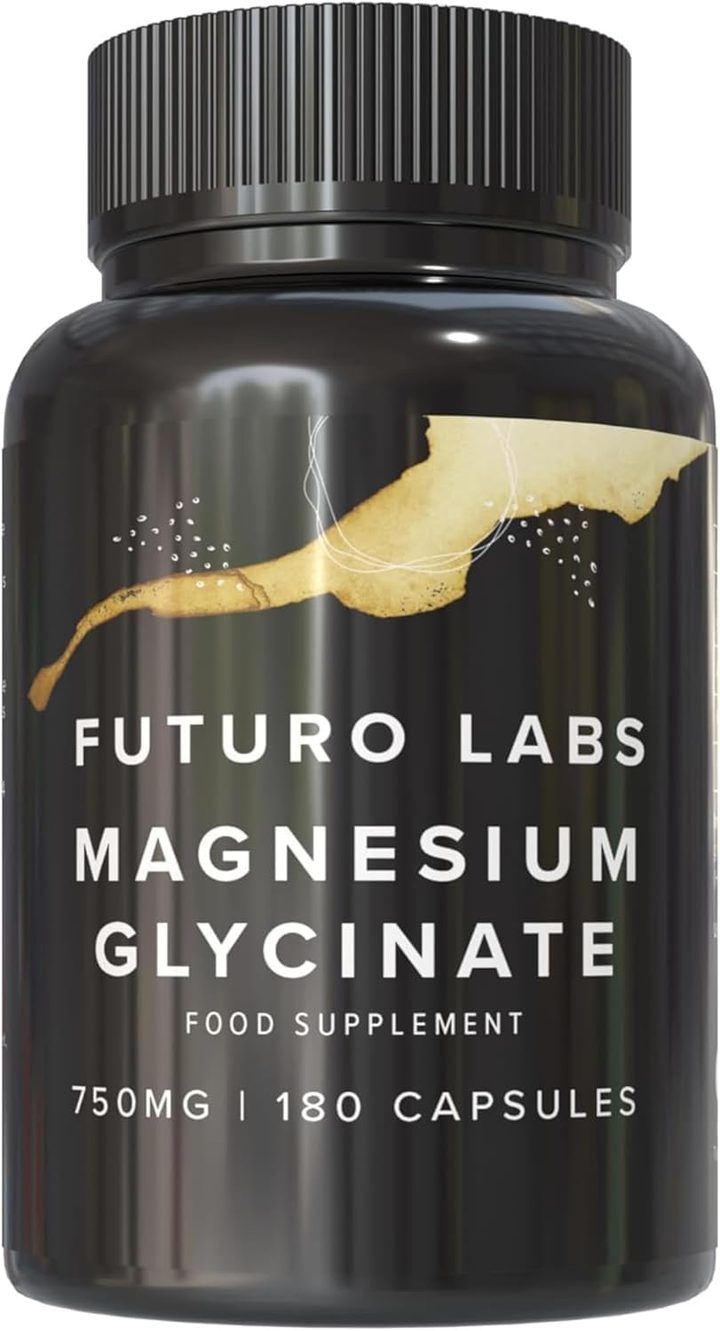
Our brand: the worked example on this page
Futuro Labs Magnesium Glycinate
- 22p a day
- 180 capsules, 2 capsules daily
- Lab tested
- Made in the UK
The cofactor on its honest clock: Futuro Labs Magnesium Glycinate on Amazon UK, bisglycinate, 300mg elemental at 80% NRV, judged at eight weeks by audit, £19.99 for 90 days at 22p. Full label breakdown. The three-clocks recovery page is here; the how-long-to-work teach on the after-workout page.
The order a shortfall's muscle signs reverse in, because how quickly depends on which sign
How quickly magnesium helps muscles depends on which muscle sign is being helped, because a genuine shortfall's signs reverse in an order set by their mechanisms, and the variants asking how fast glycinate works for muscles are asking about all of them at once. First, the neuromuscular signs: low magnesium raises excitability at the neuromuscular junction, less magnesium opposing the calcium that triggers acetylcholine release, and the twitches, cramps and tremor that result are the fastest to ease because excitability responds to the magnesium arriving at the junction rather than to a refilled tissue store, serum rising within days of repletion and the twitching and cramping of a deficient reader settling over days to a couple of weeks, the hypomagnesaemia picture's first signs to go. Next, function and fatigue: normal muscle function, the register's sentence, is the contraction-relaxation cycle running with its cofactor met, and the fatigue of a fibre whose magnesium-ATP is short of magnesium lifts as the tissue and intracellular pool refills over four to eight weeks of daily intake, the repletion literature's window, so a reader who was short feels muscles working normally and tiring later in the second month rather than the first week. Last, performance markers: the jump height and power measures that improved in the marginal-status athletes' trials moved over weeks of supplementation and only in athletes whose status was low, the exercise reviews' finding, so a lifter looking for a number on a bar to change waits the longest and sees it only if they were short.
What happens on the day, which is nothing, the replete muscle, and the order filed
What happens on the day a capsule is taken is nothing the muscle can feel: magnesium has no acute effect, a capsule at breakfast or after a session joining a tissue pool that changes over weeks and doing nothing for the session between, the before-or-after-gym and after-workout pages' retirement of the magnesium moment, so a reader who felt a muscle effect on day one felt the meal, the session or expectation, and the honest instruction is to watch the neuromuscular signs in the first two weeks and the rest at eight. The replete muscle is the case most readers are in, and its answer is never: a fibre whose cofactor is met runs its cycle normally already, more magnesium is excreted rather than stored in it, and no muscle sign changes at any speed because none was disturbed, the deficiency pattern that governs the whole section and the reason the diet audit comes before the timeline, since a lifter on a mixed diet with greens, nuts, seeds and legumes will wait eight weeks for nothing while a lifter on a cut that dropped them will feel the twitches stop in the first fortnight. The order filed: twitches, cramps and tremor first over days to a couple of weeks, fatigue and normal function next over four to eight weeks, performance markers last and only where status was marginal, nothing on the day, and never for a replete muscle, with the worked example being the cofactor on that clock, bisglycinate at 300mg elemental judged at eight weeks by audit, £19.99 for 90 days at 22p.
| The sign | The timescale | The mechanism |
|---|---|---|
| Twitches, cramps, tremor | Days to a couple of weeks | Excitability at the junction falls as magnesium arrives |
| Fatigue and normal function | Four to eight weeks | The tissue pool refills; magnesium-ATP is met |
| Performance markers | Weeks, only in marginal-status athletes | Repletion restores what the shortfall cost |
| The day of the capsule | Nothing | No acute effect; the pool changes over weeks |
| The replete muscle | Never | A met cofactor gains nothing |
| The audit | Before the timeline | The plate decides whether any clock runs |
The verdict, an order of days, weeks and never
How quickly does magnesium help muscles: in the order a shortfall's signs reverse, twitches, cramps and tremor first over days to a couple of weeks as excitability at the junction falls, fatigue and normal muscle function next over the four to eight weeks the tissue pool refills, and performance markers last over weeks and only in athletes whose status was marginal, with nothing happening on the day of the capsule and nothing happening at any speed for a replete muscle whose cofactor was already met. The cofactor on its honest clock: Futuro Labs Magnesium Glycinate, bisglycinate, 300mg elemental at 80% NRV, judged at eight weeks by audit, £19.99 for 90 days at 22p a day.
What to check on the label
- Watch the neuromuscular signs first: days to a fortnight.
- Give function and fatigue eight weeks: the tissue pool's clock.
- Expect performance changes last: and only if you were short.
- Expect nothing on the day: no magnesium moment exists.
- Run the audit before the clock: a replete muscle waits for nothing.
Our brand
The worked example: Futuro Labs Magnesium Glycinate
Futuro Labs Magnesium Glycinate is the worked example for magnesium reviews because its label states every number a review needs: 1500mg magnesium bisglycinate at 20%, 300mg elemental, 80% NRV, 2 capsules a day, 180 capsules for £19.99, 22p a day, UK made, vegan HPMC shell, batch tested for lead, mercury, arsenic and cadmium, and only the register's own magnesium claims printed.
- Elemental magnesium per serving
- 300mg (80% NRV)
- Form
- magnesium bisglycinate 20%
- Serving
- 2 capsules a day
- Bottle
- 180 capsules, 90 days
- Price
- £19.99 (22p a day)
- Capsule
- vegetarian shell, vegan product
Questions people also ask
How long does it take for magnesium glycinate to work on muscles?
In order: a genuine shortfall's twitches, cramps and tremor ease over days to a couple of weeks, fatigue and normal muscle function return over the four to eight weeks the tissue pool refills, and performance markers move last and only where status was marginal.
Will I feel magnesium in my muscles the same day?
No: magnesium has no acute effect, a capsule joining a tissue pool that changes over weeks, so anything felt on the day is the meal, the session or expectation, and the first real sign to watch is twitching or cramping easing over the first fortnight if you were short.
Why do twitches stop before fatigue improves?
Because they have different mechanisms: twitching is raised excitability at the neuromuscular junction, which responds to magnesium arriving within days, while fatigue is a fibre short of magnesium-ATP, which responds to the tissue pool refilling over weeks.
How fast does magnesium work for muscles if I'm not deficient?
It does not: a replete muscle's cofactor is met, more magnesium is excreted rather than stored in the fibre, and no muscle sign changes at any speed because none was disturbed, which is why the diet audit comes before any timeline.
When should I judge whether magnesium has helped my muscles?
At eight weeks of a daily dose, by whether cramps and twitches have gone and whether fatigue and function feel normal, with a diet audit first to know whether any clock was ever going to run.
Sources
- The magnesium and neuromuscular junction physiology: magnesium antagonises calcium at the presynaptic terminal and reduces acetylcholine release, so magnesium excess depresses neuromuscular transmission and produces weakness, while magnesium deficiency increases neuromuscular excitability and produces twitching, cramps and tetany. PubMed record
- The magnesium repletion literature: supplementation in adults with low status raises serum and intracellular magnesium over four to eight weeks, and trials reporting functional outcomes have dosed daily for four to twelve weeks. PubMed record
- The hypomagnesaemia literature: clinically low serum magnesium presents with cramps, tremor, weakness and, when severe, arrhythmias and seizures, with alcohol misuse, proton-pump inhibitors, diuretics and gastrointestinal loss the common causes, and serum magnesium an imperfect marker of tissue status. PubMed record
- Zhang Y, Xun P, Wang R, Mao L, He K. Can magnesium enhance exercise performance? Nutrients 2017;9(9):946. https://pubmed.ncbi.nlm.nih.gov/28846654/