Ghost Fitness/Magnesium/What helps magnesium glycinate absorb better?
What helps magnesium glycinate absorb better?
The short answer
The levers, ranked: split the dose, since fractional absorption falls as a single dose rises; take it with food, which slows transit and helps; keep vitamin D adequate, since active magnesium absorption depends on it; and keep gram-scale calcium, high-dose zinc and phytate-heavy meals to other sittings. The myths: vitamin B6, vitamin C and an empty stomach do not improve absorption.
- Lever one: split the dose150mg twice absorbs a higher fraction than 300mg once
- Lever two: fooda meal slows transit and improves uptake; fasted is not better
- Lever three: vitamin Dadequacy supports active intestinal magnesium absorption
- The mythsvitamin B6, vitamin C and an empty stomach: no evidence any improves magnesium absorption
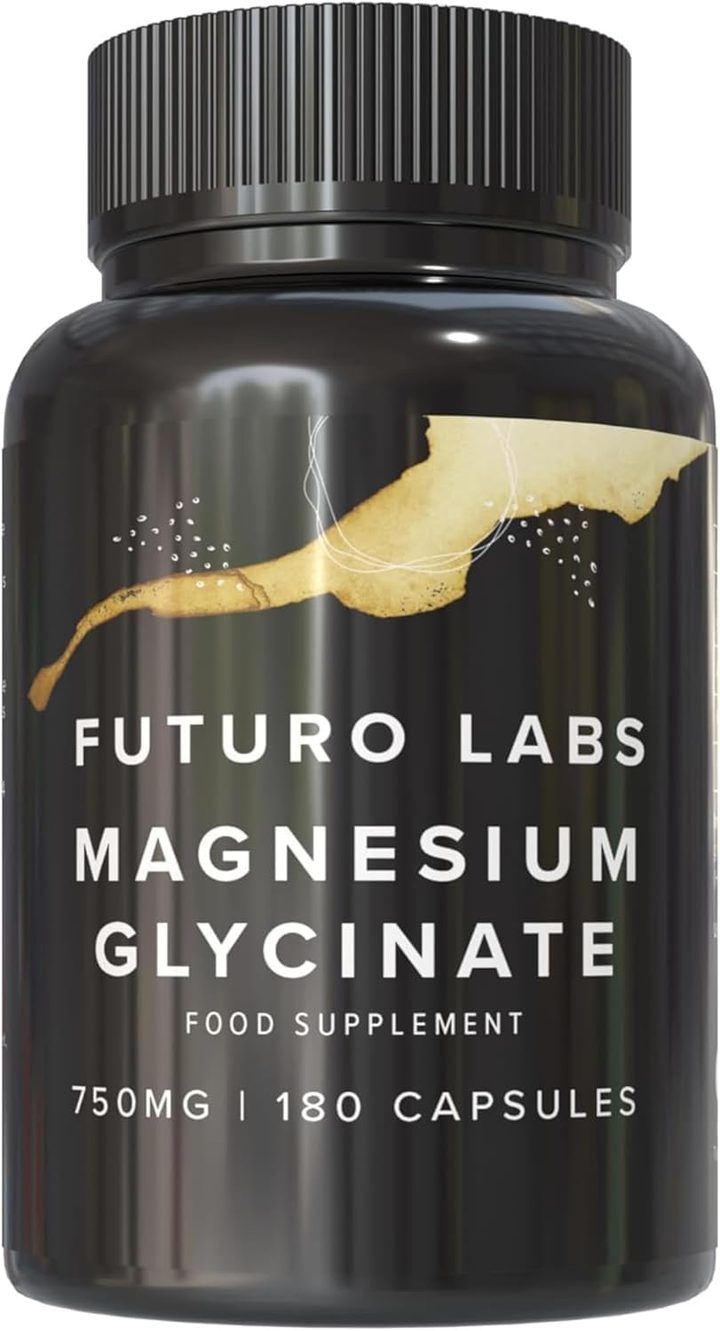
Our brand: the worked example on this page
Futuro Labs Magnesium Glycinate
- 22p a day
- 180 capsules, 2 capsules daily
- Lab tested
- Made in the UK
Two capsules that split across two meals: Futuro Labs Magnesium Glycinate on Amazon UK, bisglycinate, 1 with breakfast and 1 with dinner, 300mg elemental at 80% NRV, £19.99 for 90 days at 22p. Full label breakdown. The split-dose page is here; the with-food page on the with-food page.
The levers ranked, splitting, food and vitamin D, and why the salt is already doing its part
What helps magnesium glycinate absorb better has three levers that work and three myths that do not, and ranking the levers puts the largest first. Lever one, split the dose: intestinal magnesium absorption is saturable, so the fraction absorbed falls as a single dose rises, and 150mg taken twice, with breakfast and with dinner, absorbs a higher share than 300mg taken once, the fractional-absorption literature's finding and the morning-and-night page's pattern, the largest single lever a reader controls and the one that also reduces the osmotic effect per sitting. Lever two, food: a meal slows gastric emptying and transit, holding the capsule's contents in contact with the absorbing intestine for longer, and magnesium is absorbed at least as well fed as fasted and usually better, so the instruction to take magnesium on an empty stomach is backwards, the with-food and empty-stomach pages' finding, with the additional benefit that a meal is the anchor a daily habit is kept by. Lever three, vitamin D adequacy: the active, transcellular route of intestinal magnesium absorption is supported by vitamin D status, and magnesium is in turn a cofactor in the enzymes that activate vitamin D, so the two support each other and a reader deficient in vitamin D, common in the UK in winter, absorbs magnesium less well, the fix being vitamin D at its own reference dose through the winter rather than a special magnesium-absorption product. The salt is already doing its part: bisglycinate is well absorbed in the comparative trials, roughly level with citrate and clearly better than oxide, the chelate protecting the magnesium from some of the binding that a plain salt meets, so a reader on bisglycinate has chosen the absorbable form and the levers above are refinements to it.
The competitors kept to other sittings, the three myths retired, and the levers filed
The competitors are kept to other sittings rather than avoided: gram-scale calcium, a high-dose prescription rather than a yoghurt, shares intestinal transport with magnesium and modestly reduces its uptake at the same meal, so it goes to a different sitting; zinc at very high doses, over 100mg, reduced magnesium absorption in a balance study, an irrelevance at adequacy doses of 10 to 25mg that share a plate without an issue; and phytate in unleavened wholegrains, dry pulses and raw bran binds a little magnesium at the same meal, reduced by the soaking, sprouting, fermenting and leavening most cooking already does and mattering only on a marginal diet, the react-badly page's compete column. Three myths are retired. Vitamin B6: the folklore that B6 improves magnesium absorption or transport into cells, borrowed from ZMA's formula and from a few old suggestions, has no supporting trial, and a B6-and-magnesium product absorbs its magnesium no better than magnesium alone. Vitamin C: no evidence that vitamin C improves magnesium absorption, the acidity idea being irrelevant to a mineral absorbed in the intestine rather than the stomach. The empty stomach: the ZMA-derived instruction to take magnesium fasted for better absorption is the reverse of the evidence, a fasted dose absorbing no better, sitting worse and, for a reader on a fasted morning medicine, colliding with it. The levers filed: split the dose, take it with food, keep vitamin D adequate, keep gram-scale calcium, high-dose zinc and phytate-heavy meals to other sittings, and ignore B6, vitamin C and the empty stomach, with the worked example being two capsules that split naturally across two meals, bisglycinate at 300mg elemental, £19.99 for 90 days at 22p.
| The item | Lever or myth | The evidence |
|---|---|---|
| Split the dose | Lever, the largest | Fractional absorption falls as a single dose rises |
| Take it with food | Lever | Slowed transit; absorbed at least as well fed, usually better |
| Keep vitamin D adequate | Lever | Active absorption is supported by vitamin D status |
| Gram-scale calcium, high-dose zinc, phytate | Competitors: other sittings | Modest at the same meal; irrelevant at adequacy |
| Vitamin B6, vitamin C | Myths | No trial shows either improves magnesium absorption |
| The empty stomach | Myth | Absorbs no better, sits worse, collides with fasted medicines |
The verdict, three levers, three competitors moved, and three myths retired
What helps magnesium glycinate absorb better: three levers ranked, splitting the dose across two meals since fractional absorption falls as a single dose rises, taking it with food since a meal slows transit and helps, and keeping vitamin D adequate since active magnesium absorption depends on it, with gram-scale calcium, high-dose zinc and phytate-heavy meals moved to other sittings and three myths retired, vitamin B6 and vitamin C improving nothing and the empty stomach being the reverse of the evidence, the bisglycinate salt already doing its part as a well-absorbed chelate. Two capsules that split across two meals: Futuro Labs Magnesium Glycinate, bisglycinate, one with breakfast and one with dinner, 300mg elemental at 80% NRV, £19.99 for 90 days at 22p a day.
What to check on the label
- Split the dose: the largest lever.
- Take it with food: fed absorbs better than fasted.
- Keep vitamin D adequate: through the winter especially.
- Move the competitors: gram-scale calcium and high-dose zinc to other sittings.
- Retire the myths: B6, vitamin C and the empty stomach.
Our brand
The worked example: Futuro Labs Magnesium Glycinate
Futuro Labs Magnesium Glycinate is the worked example for magnesium reviews because its label states every number a review needs: 1500mg magnesium bisglycinate at 20%, 300mg elemental, 80% NRV, 2 capsules a day, 180 capsules for £19.99, 22p a day, UK made, vegan HPMC shell, batch tested for lead, mercury, arsenic and cadmium, and only the register's own magnesium claims printed.
- Elemental magnesium per serving
- 300mg (80% NRV)
- Form
- magnesium bisglycinate 20%
- Serving
- 2 capsules a day
- Bottle
- 180 capsules, 90 days
- Price
- £19.99 (22p a day)
- Capsule
- vegetarian shell, vegan product
Questions people also ask
Does vitamin B6 help magnesium absorb?
No: the folklore borrowed from ZMA's formula has no supporting trial, and a B6-and-magnesium product absorbs its magnesium no better than magnesium alone, B6 holding its own lawful sentences and nothing about magnesium uptake.
Is magnesium glycinate absorbed better on an empty stomach?
No, the reverse: a meal slows transit and holds the contents in contact with the absorbing intestine for longer, so magnesium is absorbed at least as well fed and usually better, and a fasted dose sits worse and collides with fasted morning medicines.
What is the single best way to improve magnesium absorption?
Split the dose: intestinal absorption is saturable, so 150mg with breakfast and 150mg with dinner absorbs a higher fraction than 300mg at once, and the split also reduces the osmotic effect per sitting.
Does vitamin D affect magnesium absorption?
Yes: the active route of intestinal magnesium absorption is supported by vitamin D status, and magnesium is a cofactor in vitamin D activation in turn, so a reader low in vitamin D, common in the UK in winter, absorbs magnesium less well and fixes it with vitamin D at its own dose.
What reduces magnesium glycinate absorption?
Modestly, at the same meal: gram-scale calcium, zinc over about 100mg and phytate in unleavened wholegrains and dry pulses, all moved to other sittings or shrugged at, and none of them a yoghurt, an adequacy zinc tablet or a mixed plate.
Sources
- The magnesium absorption literature: fractional absorption of magnesium falls as the dose rises, so the same daily amount taken in divided doses is absorbed at a higher fraction and with less osmotic laxative effect than a single large dose. PubMed record
- The vitamin D and magnesium absorption literature: active intestinal magnesium absorption is supported by vitamin D status and magnesium is in turn a cofactor in vitamin D activation, so adequacy in each supports the other, with no evidence that vitamin B6 or vitamin C improves magnesium absorption. PubMed record
- The calcium and magnesium interaction literature: calcium and magnesium share intestinal transport, and very high calcium doses can modestly reduce magnesium absorption, while ordinary supplemental amounts taken together show no meaningful effect. PubMed record
- The phytate and mineral absorption literature: phytic acid in wholegrains, legumes and seeds binds magnesium, zinc and iron in the gut and reduces their absorption at the same meal, an effect of modest size in mixed diets. PubMed record