Ghost Fitness/Magnesium/What is the difference between magnesium and elemental magnesium?
What is the difference between magnesium and elemental magnesium?
The short answer
Magnesium is the mineral; elemental magnesium is how much of it a supplement contains. The word names a category, the measurement states a quantity: a 1500mg glycinate serving holds 300mg elemental. The elemental figure is your dose.
- A categorywhat the word magnesium names
- A quantitywhat elemental magnesium states
- 1500mg to 300mgthe worked example's compound-to-elemental conversion
- 375mgthe reference value the elemental %NRV points at
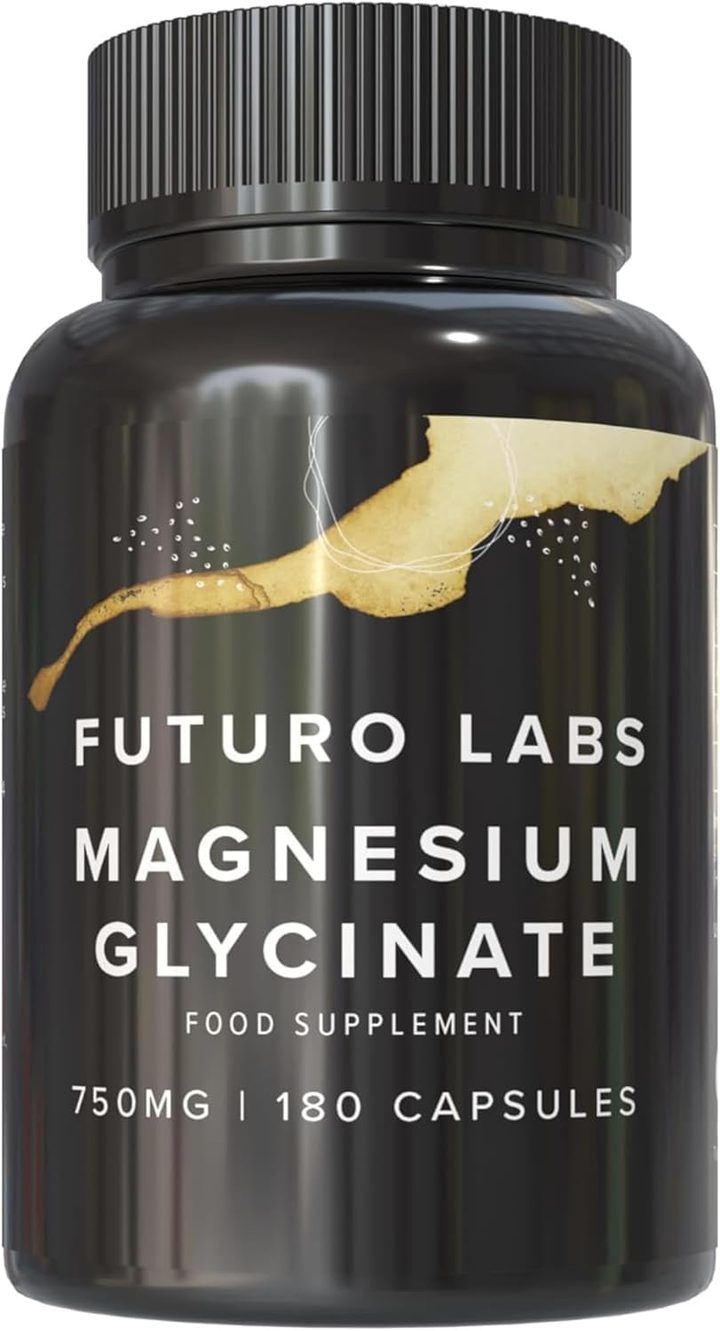
Our brand: the worked example on this page
Futuro Labs Magnesium Glycinate
- 22p a day
- 180 capsules, 2 capsules daily
- Lab tested
- Made in the UK
A label showing both properly: Futuro Labs Magnesium Glycinate on Amazon UK, 1500mg bisglycinate providing 300mg elemental, £19.99 for 180. Label breakdown. The elemental concept has a full page at what is elemental magnesium.
The difference in one analogy
Ask what the difference is between fruit and grams of fruit and the shape of this answer appears: one is a thing, the other is an amount of the thing. Magnesium is the mineral itself, the twelfth element, the thing your muscles, nerves and enzymes use. Elemental magnesium is an accounting term: of everything in this capsule, how many milligrams are that mineral. There is no substance called elemental magnesium sitting beside ordinary magnesium on a shelf, no choice to make between them, and no version to prefer; every magnesium supplement contains elemental magnesium by definition, and the only question is how much, which is what the measurement exists to say.
Why supplements need the second term at all
Because the mineral never travels alone. Swallowed magnesium arrives bound to a carrier, glycine, citric acid, oxygen, and the combined compound is what fills the capsule and often what headlines the label. Compounds are mostly carrier by weight: bisglycinate is about 14% to 20% magnesium, citrate about 16%, oxide about 60%. So a bottle can truthfully print 1500mg while delivering 300mg of the mineral, and without the elemental term there would be no standard way to say which number is which. The difference between magnesium and elemental magnesium, in label practice, is the difference between everything in the serving and the part of it you were actually shopping for.
| Question being answered | Term that answers it | On the worked example |
|---|---|---|
| What mineral is this product about? | Magnesium, the category word | Magnesium Glycinate on the front |
| What compound carries it, and how much of that is mineral? | The form and its percentage | Magnesium bisglycinate 1500mg at 20% |
| How much of the mineral do I get per serving? | Elemental magnesium, the quantity | 300mg, 80% NRV, per 2 capsules |
| Is that a full dose? | The %NRV against 375mg | 80%: a full daily serving |
The difference against other magnesium, and the habit to keep
The variant this query carries, elemental magnesium versus other magnesium, dissolves the same way: the others, glycinate, citrate, malate, oxide, are carriers, and elemental is the yardstick laid across all of them. Comparing a glycinate to a citrate by their compound weights compares two carriers; comparing their elemental lines compares the magnesium, which is the only comparison that prices, doses and %NRVs are built on. The habit: whenever a magnesium number appears, ask which of the two it is, and trust only the one with a %NRV attached. Futuro Labs Magnesium Glycinate keeps both in plain sight, 1500mg bisglycinate at 20% providing elemental magnesium 300mg at 80% NRV, 2 vegan capsules, UK made under GMP and BRC, panels shown, £19.99 for 180 capsules, 22p a day, which is the difference between magnesium and elemental magnesium settled the only place it matters: on the label you are about to pay for.
What to check on the label
- Magnesium is the mineral, elemental magnesium is the amount: a category and a quantity.
- No product is elemental instead of magnesium: every supplement contains both terms' referents.
- Compounds are mostly carrier: 14% to 60% mineral depending on form.
- Only the elemental line carries %NRV: that is the tell for which number you are reading.
- Compare products elemental line to elemental line, never compound to compound.
Our brand
The worked example: Futuro Labs Magnesium Glycinate
Futuro Labs Magnesium Glycinate shows the difference resolved on one panel: 1500mg of the compound, 300mg elemental magnesium at 80% NRV, per 2 capsules, 22p a day from a £19.99 bottle of 180. Vegan, UK made, panels shown.
- Elemental magnesium per serving
- 300mg (80% NRV)
- Form
- magnesium bisglycinate 20%
- Serving
- 2 capsules a day
- Bottle
- 180 capsules, 90 days
- Price
- £19.99 (22p a day)
- Capsule
- vegetarian shell, vegan product
Questions people also ask
Is there a difference between magnesium and elemental magnesium?
In substance no, in usage yes: magnesium names the mineral, elemental magnesium measures how much of it a serving contains. The elemental figure is your dose.
What is the difference between elemental magnesium and other magnesium?
The others are carriers: glycinate, citrate, oxide. Elemental is the yardstick measuring the mineral inside each of them.
Should I buy magnesium or elemental magnesium?
You cannot buy one without the other; buy a named form whose label prints the elemental amount with %NRV, ideally 300mg at 80%.
Why do supplements list two magnesium numbers?
One is the compound weight, one is the elemental content. A label printing both with the percentage is doing its job properly.
How do I convert between magnesium compound and elemental?
Multiply the compound weight by the form's percentage: 1500mg of 20% bisglycinate contains 300mg elemental.
Sources
- Futuro Labs Magnesium Glycinate listing, Amazon UK, label and price checked 31 August 2026. https://www.amazon.co.uk/dp/B0BT7Z5VQW
- Retained Regulation (EU) No 1169/2011, Annex XIII: nutrient reference value for magnesium 375mg. https://www.legislation.gov.uk/eur/2011/1169/annex/XIII
- Firoz M, Graber M. Bioavailability of US commercial magnesium preparations. Magnesium Research 2001;14(4):257-262. PubMed record
- Department of Health. Dietary Reference Values for Food Energy and Nutrients for the United Kingdom. Report on Health and Social Subjects 41, 1991 (magnesium RNI 300mg men, 270mg women).
- EFSA Panel on Dietetic Products, Nutrition and Allergies. Scientific Opinion on the substantiation of health claims related to magnesium. EFSA Journal 2010;8(10):1807. https://efsa.onlinelibrary.wiley.com/doi/10.2903/j.efsa.2010.1807