Ghost Fitness/Magnesium/What deficiency causes muscle cramps and joint pain?
What deficiency causes muscle cramps and joint pain?
The short answer
Draw the two lists and look at the overlap. Cramps alone point to low potassium, sodium, calcium or magnesium, found on a panel. Joint pain alone points to load, tendons, osteoarthritis, inflammatory arthritis or gout, none a mineral deficiency. Both together, especially with bone pain, weakness and fatigue, point to vitamin D deficiency and a GP's blood test.
- Cramps alonelow potassium, sodium, calcium or magnesium: the electrolyte panel
- Joint pain aloneload, tendinopathy, osteoarthritis, inflammatory arthritis, gout: not a deficiency
- Both togethervitamin D deficiency: bone and joint pain, proximal weakness, aches and cramps; a serum 25-hydroxyvitamin D
- Magnesium deficiencycramps, twitches, tremor and fatigue: no joint pain
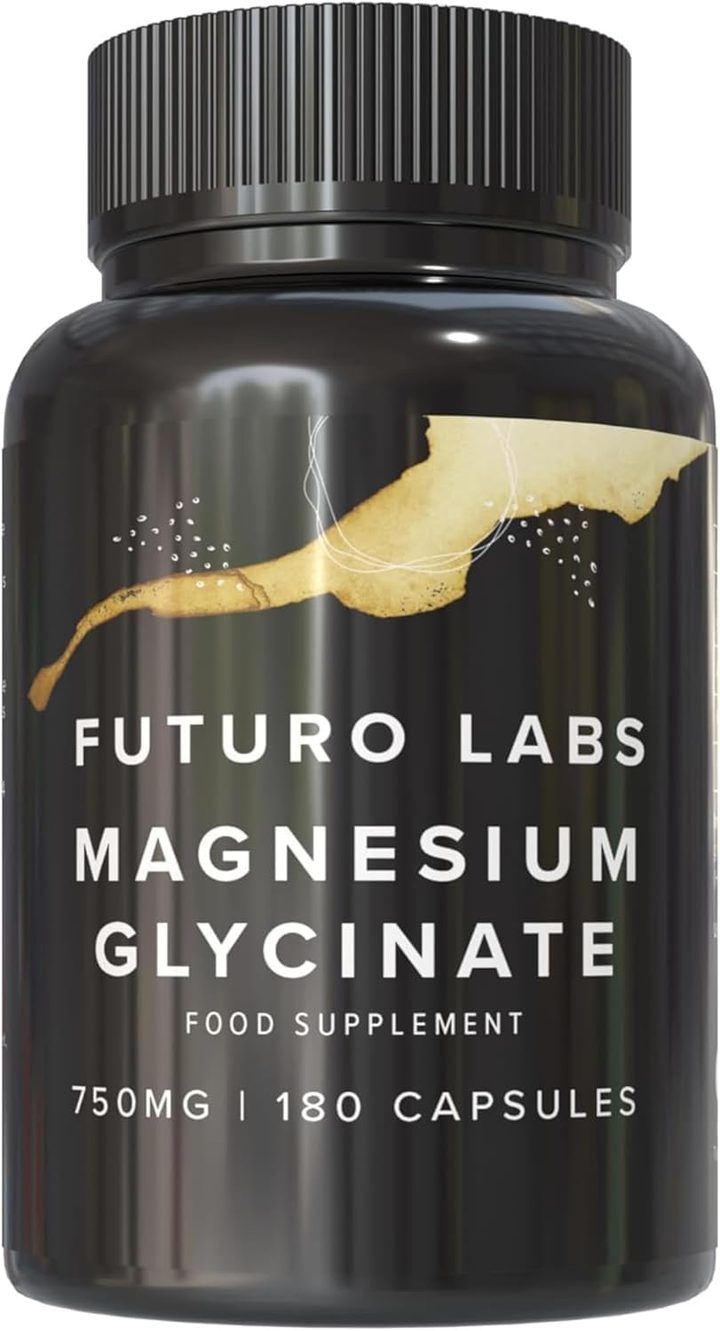
Our brand: the worked example on this page
Futuro Labs Magnesium Glycinate
- 22p a day
- 180 capsules, 2 capsules daily
- Lab tested
- Made in the UK
For the cramps list only, by audit and panel: Futuro Labs Magnesium Glycinate on Amazon UK, bisglycinate, 300mg elemental at 80% NRV, £19.99 for 90 days at 22p. Full label breakdown. The leg-cramp deficiency differential is on the leg cramps page; the excess-and-joints page on the joint pain page.
Two lists, cramps alone and joint pain alone, and why neither contains magnesium and joints together
What deficiency causes muscle cramps and joint pain together is answered by drawing two lists and looking at where they overlap, because the two symptoms have different causes and the deficiency the question wants sits at the intersection rather than on either list. The cramps list is the leg-cramp differential: low potassium, the commoner exercise-related electrolyte cause, from sweat, diarrhoea, diuretics and laxatives; low sodium, from water overload in long hot efforts; low calcium, which cramps, tingles and in severe cases produces tetany; and low magnesium, which cramps, twitches and trembles when clinically low, from alcohol, medicines, gut loss or a diet that ran badly light, all found on a routine electrolyte panel and with most leg cramps having no deficiency at all. The joint-pain list contains no mineral deficiency: joints hurt from load, a programme that outran a joint's tolerance, from tendinopathy at an insertion under load, the elbow, knee, shoulder and hip that warm up and then worsen, from osteoarthritis, the wear of cartilage with age and use, from inflammatory arthritis, rheumatoid, psoriatic and reactive, which swells and stiffens joints in the morning, and from gout, the crystal arthritis of urate that inflames a big toe, an ankle or a knee overnight in a lifter who drinks, eats a lot of meat or carries weight. Magnesium deficiency appears on the first list and not the second, its signs being cramps, twitches, tremor, weakness and fatigue with no joint component, so a reader with cramps and joint pain who suspects magnesium has the cramps half right and the joints wrong.
The intersection, which is vitamin D, the route through a GP, and the two lists filed
The intersection is vitamin D. Severe vitamin D deficiency softens bone, osteomalacia, and produces bone and joint pain, often in the hips, pelvis, ribs and lower back and often mistaken for joint or muscle pain, alongside proximal muscle weakness, difficulty rising from a chair or climbing stairs, and muscle aches and cramps, the one deficiency that sits on both lists at once, common in the UK in winter, in people with dark skin, in people who cover up or rarely go outside, and in indoor athletes, and diagnosed by a serum 25-hydroxyvitamin D that a GP adds to the panel and treats on a doctor's dose rather than a shelf's, with calcium and magnesium sometimes travelling low beside it. Two non-deficiency conditions also sit on both lists and deserve naming: hypothyroidism, which cramps and aches muscles and stiffens joints and is found on the same blood draw, and inflammatory conditions with a systemic component, which a GP's examination and tests find. The route, then, runs through a GP: a blood panel with sodium, potassium, calcium, magnesium, vitamin D, thyroid function and, where joints are swollen or a big toe is red, urate and inflammatory markers, which settles the intersection in one visit, with a low vitamin D corrected on the GP's dose, a low electrolyte corrected with its cause closed, a low magnesium repleted at a labelled dose, and a normal panel sending the cramps to the cramp toolkit and the joints to load management and a physiotherapist. Red flags, a hot swollen joint, joint pain with fever, or morning stiffness lasting over an hour, are seen promptly. The two lists filed: cramps alone are electrolytes and magnesium, joint pain alone is load, tendons, arthritis and gout, both together are vitamin D and a GP, and magnesium deficiency does not cause joint pain, with the worked example being for the cramps list only by audit and panel, 300mg elemental at 22p, £19.99 for 90 days.
| The symptom | The causes | The route |
|---|---|---|
| Cramps alone | Low potassium, sodium, calcium or magnesium; most cramps no deficiency | An electrolyte panel; the cramp toolkit |
| Joint pain alone | Load, tendinopathy, osteoarthritis, inflammatory arthritis, gout | Load management, a physiotherapist, a GP; not a mineral |
| Both together | Vitamin D deficiency: bone and joint pain, weakness, cramps | A serum 25-hydroxyvitamin D; a GP's dose |
| Both together, non-deficiency | Hypothyroidism; systemic inflammatory conditions | The same blood draw; examination |
| Magnesium deficiency | Cramps, twitches, tremor, fatigue | The cramps list only; no joint pain |
| Red flags | A hot swollen joint; fever; morning stiffness over an hour | Seen promptly |
The verdict, an intersection that is vitamin D and a GP
What deficiency causes muscle cramps and joint pain: taken together, vitamin D deficiency, which sits on both lists at once by softening bone into joint and bone pain while cramping and weakening muscle, diagnosed by a serum 25-hydroxyvitamin D and treated on a GP's dose, with hypothyroidism and systemic inflammatory conditions as the non-deficiency causes of both, while cramps alone point to low potassium, sodium, calcium or magnesium on an electrolyte panel and joint pain alone points to load, tendons, osteoarthritis, inflammatory arthritis and gout, none of them a mineral, and magnesium deficiency cramping without touching a joint. For the cramps list only: Futuro Labs Magnesium Glycinate, bisglycinate, 300mg elemental at 80% NRV, £19.99 for 90 days at 22p a day, by audit and panel.
What to check on the label
- Draw the two lists: cramps and joints have different causes.
- Keep magnesium on the cramps list only: it does not cause joint pain.
- Suspect vitamin D at the intersection: bone pain, weakness, cramps.
- Get the full panel from a GP: electrolytes, vitamin D, thyroid, urate if a joint is hot.
- See a hot joint or fever promptly: red flags.
Our brand
The worked example: Futuro Labs Magnesium Glycinate
Futuro Labs Magnesium Glycinate is the worked example for magnesium reviews because its label states every number a review needs: 1500mg magnesium bisglycinate at 20%, 300mg elemental, 80% NRV, 2 capsules a day, 180 capsules for £19.99, 22p a day, UK made, vegan HPMC shell, batch tested for lead, mercury, arsenic and cadmium, and only the register's own magnesium claims printed.
- Elemental magnesium per serving
- 300mg (80% NRV)
- Form
- magnesium bisglycinate 20%
- Serving
- 2 capsules a day
- Bottle
- 180 capsules, 90 days
- Price
- £19.99 (22p a day)
- Capsule
- vegetarian shell, vegan product
Questions people also ask
Can magnesium deficiency cause joint pain?
No: the signs of magnesium deficiency are cramps, twitches, tremor, weakness and fatigue with no joint component, so a reader with cramps and joint pain who suspects magnesium has the cramps half right and should look at vitamin D for the pair.
Which vitamin deficiency causes both muscle cramps and joint pain?
Vitamin D: severe deficiency softens bone into bone and joint pain, often in the hips, pelvis, ribs and back, and produces proximal muscle weakness, aches and cramps, common in the UK in winter and diagnosed by a serum 25-hydroxyvitamin D.
What blood tests should I ask for with cramps and joint pain?
A GP's panel with sodium, potassium, calcium, magnesium, vitamin D and thyroid function, plus urate and inflammatory markers if a joint is swollen or a big toe is red, which settles the intersection in one visit.
What causes joint pain in lifters if not a deficiency?
Load that outran a joint's tolerance, tendinopathy at an insertion, osteoarthritis with age and use, inflammatory arthritis that stiffens joints in the morning, and gout, the urate crystal arthritis that inflames a toe, ankle or knee overnight.
When should cramps and joint pain be seen promptly?
With a hot swollen joint, joint pain with fever, morning stiffness lasting over an hour, or weakness that is progressive or asymmetric, all of which need a GP's examination rather than a supplement.
Sources
- The vitamin D deficiency literature: severe deficiency causes osteomalacia with bone and joint pain, proximal muscle weakness, aches and cramps, common in the UK in winter and in people with dark skin or little sun exposure, diagnosed by a serum 25-hydroxyvitamin D and treated on a doctor's dose. PubMed record
- The electrolyte and cramp literature: low potassium, low calcium, low magnesium and low sodium can each produce muscle cramps and irritability when clinically low, with potassium and sodium disturbances the commoner exercise-related causes and all identified on a routine electrolyte panel. PubMed record
- The hypomagnesaemia literature: clinically low serum magnesium presents with cramps, tremor, weakness and, when severe, arrhythmias and seizures, with alcohol misuse, proton-pump inhibitors, diuretics and gastrointestinal loss the common causes, and serum magnesium an imperfect marker of tissue status. PubMed record
- Garrison SR, Korownyk CS, Kolber MR, et al. Magnesium for skeletal muscle cramps. Cochrane Database of Systematic Reviews 2020, Issue 9, CD009402. PubMed record