Ghost Fitness/Magnesium/Can too much magnesium cause joint pain?
Can too much magnesium cause joint pain?
The short answer
No: the list of what excess magnesium does runs loose stools, diarrhoea, nausea and cramping in the gut, and drowsiness, flushing, weakness, low blood pressure, a slow pulse and lost reflexes in the blood, with no joint on it and no mechanism. A lifter's joint pain has its own list, load, tendons, osteoarthritis, inflammatory arthritis and gout, the last an excess of urate.
- What excess does in the gutloose stools, diarrhoea, nausea, cramping: no joint
- What excess does in the blooddrowsiness, flushing, weakness, low blood pressure, a slow pulse, lost reflexes: no joint
- The mechanismnone: surplus magnesium is excreted, not deposited in joints
- The lifter's joint listload, tendinopathy, osteoarthritis, inflammatory arthritis, gout
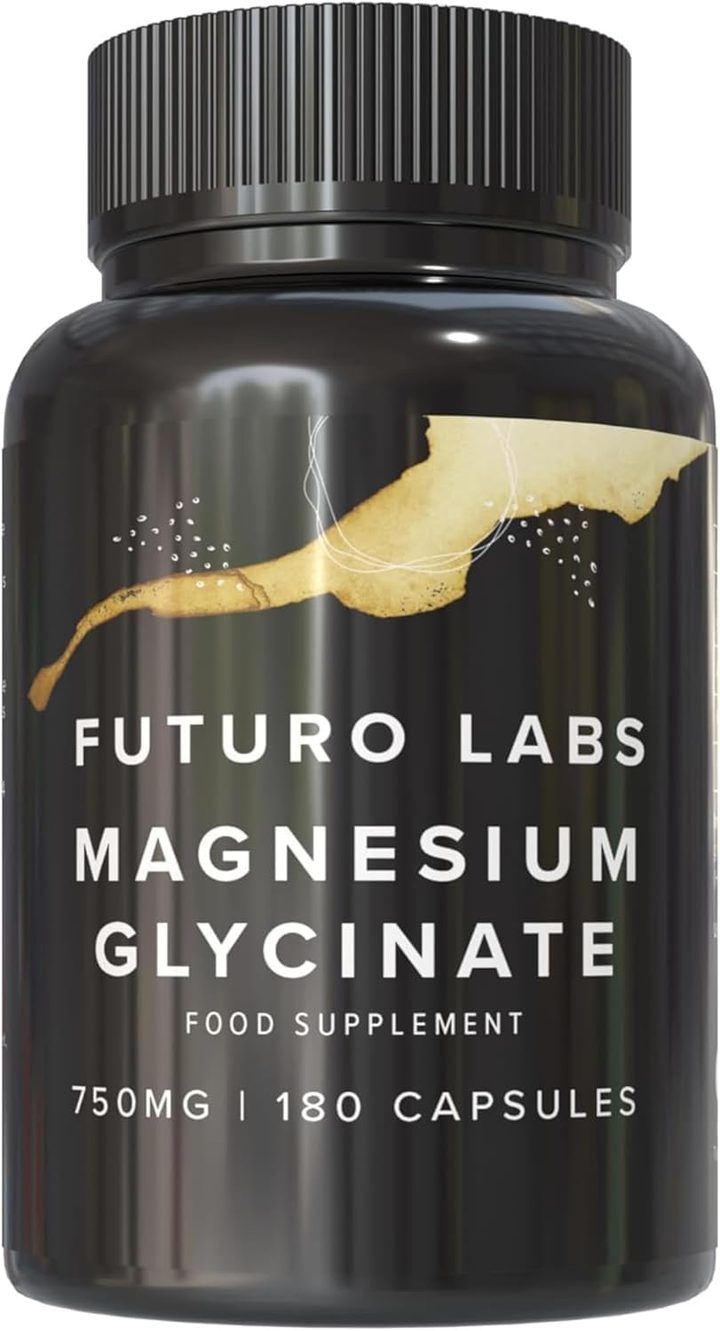
Our brand: the worked example on this page
Futuro Labs Magnesium Glycinate
- 22p a day
- 180 capsules, 2 capsules daily
- Lab tested
- Made in the UK
A dose that reaches neither list: Futuro Labs Magnesium Glycinate on Amazon UK, bisglycinate, 300mg elemental at 80% NRV, £19.99 for 90 days at 22p. Full label breakdown. The warning card is on the warning signs page; the cramps-and-joints intersection on the cramps and joint pain page.
What excess magnesium does, in full, and the joint that is not on the list
Can too much magnesium cause joint pain is answered by listing what too much magnesium actually does, in full, and noticing the absence. In the gut, the surplus of a dose that exceeds absorption produces loose stools, diarrhoea, nausea and abdominal cramping within hours, the body's own dose limit, self-limiting and answered by a lower dose or a better salt. In the blood, the hypermagnesaemia of failed kidneys or laxative-scale intake produces drowsiness and lethargy, facial flushing, muscle weakness and lost deep tendon reflexes, low blood pressure, a slow or irregular pulse, confusion and, at the extreme, weakened breathing, the warning card's call-now list. That is the whole list, and no joint is on it: excess magnesium does not inflame a joint, does not deposit in one, does not ache in one and does not stiffen one, because surplus magnesium in working kidneys is excreted within a day or two and in failed kidneys accumulates in the blood and acts on nerves, muscles, vessels and the heart, none of which is a joint, and because magnesium is not a crystal-forming ion in joint fluid the way urate and calcium pyrophosphate are, so there is no mechanism by which a magnesium surplus could produce joint pain and no case report literature describing one. A reader with joint pain who suspects their magnesium has a joint problem and a magnesium habit, and the two are separate.
The lifter's real joint-pain list, the excess that does cause joint pain, and the question filed
The lifter's real joint-pain list is worth the page's second half because one entry on it looks like an excess of something and is. Load: a programme that outran a joint's tolerance, too much volume too fast on a knee, a shoulder or an elbow, answered by load management and a deload. Tendinopathy: pain at a tendon's insertion under load that warms up and then worsens, the elbow, the patellar tendon, the rotator cuff and the hip, a physiotherapy problem wearing a joint's name. Osteoarthritis: the wear of cartilage with age and use, stiff after rest and easier with movement, managed with strength work, weight and a GP. Inflammatory arthritis: rheumatoid, psoriatic and reactive arthritis, which swell and stiffen joints for over an hour in the morning, often symmetrically, a GP's and a rheumatologist's diagnosis. And gout: the crystal arthritis that inflames a big toe, an ankle or a knee overnight into a hot, red, exquisitely tender joint, caused by an excess of urate, the waste product of purine metabolism, in a lifter who drinks, eats a lot of meat and shellfish, carries weight, dehydrates, or takes a diuretic, an excess disease that is real and common in men who train and is treated by a GP with anti-inflammatories for the attack and urate-lowering medicine for the long run, so that a reader whose joint pain feels like too much of something is often right, and the something is urate. Red flags on any of them, a hot swollen joint, joint pain with fever, or morning stiffness over an hour, are seen promptly. The question filed: too much magnesium does not cause joint pain, the full list of what excess does having no joint on it and no mechanism existing, while a lifter's joint pain has its own list, load, tendons, osteoarthritis, inflammatory arthritis and gout, the last being the excess that does cause joint pain and is not magnesium, with the worked example being a dose that reaches neither the gut list nor the blood list, bisglycinate at 300mg elemental, £19.99 for 90 days at 22p.
| The item | The finding | The consequence |
|---|---|---|
| Excess in the gut | Loose stools, diarrhoea, nausea, cramping | No joint on the list |
| Excess in the blood | Drowsiness, flushing, weakness, low pressure, slow pulse, lost reflexes | No joint on the list |
| The mechanism | Surplus excreted; not a crystal-forming ion in joint fluid | None exists |
| Load, tendons, osteoarthritis | The commonest lifter's joint pains | Load management, a physiotherapist, strength work |
| Inflammatory arthritis | Morning stiffness over an hour, often symmetrical | A GP and a rheumatologist |
| Gout | A hot red joint overnight from excess urate | The excess that does cause joint pain; a GP |
The verdict, an absence on one list and an excess on another
Can too much magnesium cause joint pain: no, the full list of what excess magnesium does, loose stools, diarrhoea, nausea and cramping in the gut and drowsiness, flushing, weakness, low blood pressure, a slow pulse and lost reflexes in the blood, having no joint on it and no mechanism by which surplus magnesium, excreted in working kidneys and acting on nerves, muscles and the heart when it accumulates, could inflame or ache a joint, while a lifter's joint pain has its own list of load, tendons, osteoarthritis, inflammatory arthritis and gout, the last being the excess that does cause joint pain and being an excess of urate rather than magnesium. A dose that reaches neither list: Futuro Labs Magnesium Glycinate, bisglycinate, 300mg elemental at 80% NRV, £19.99 for 90 days at 22p a day.
What to check on the label
- List what excess does: gut and blood, no joint.
- Look for a mechanism and find none: excreted, not deposited.
- Run the lifter's joint list: load, tendons, arthritis, gout.
- Suspect gout for a hot red joint overnight: an excess of urate.
- See red flags promptly: a hot joint, fever, long morning stiffness.
Our brand
The worked example: Futuro Labs Magnesium Glycinate
Futuro Labs Magnesium Glycinate is the worked example for magnesium reviews because its label states every number a review needs: 1500mg magnesium bisglycinate at 20%, 300mg elemental, 80% NRV, 2 capsules a day, 180 capsules for £19.99, 22p a day, UK made, vegan HPMC shell, batch tested for lead, mercury, arsenic and cadmium, and only the register's own magnesium claims printed.
- Elemental magnesium per serving
- 300mg (80% NRV)
- Form
- magnesium bisglycinate 20%
- Serving
- 2 capsules a day
- Bottle
- 180 capsules, 90 days
- Price
- £19.99 (22p a day)
- Capsule
- vegetarian shell, vegan product
Questions people also ask
Does magnesium supplementation cause joint pain?
No: excess magnesium produces gut effects, loose stools, diarrhoea, nausea and cramping, and in failed kidneys or after laxative-scale intake the blood effects of drowsiness, flushing, weakness, low blood pressure and a slow pulse, with no joint effect and no mechanism for one.
Why do my joints hurt after starting magnesium?
Coincidence or a joint problem with its own cause: surplus magnesium is excreted rather than deposited and is not a crystal-forming ion in joint fluid, so a joint that began hurting in the same week as a new capsule has load, a tendon, arthritis or gout to explain it.
What excess actually causes joint pain in lifters?
Urate: gout inflames a big toe, an ankle or a knee overnight into a hot, red, tender joint in men who drink, eat a lot of meat and shellfish, carry weight, dehydrate or take diuretics, and is treated by a GP with anti-inflammatories for the attack and urate-lowering medicine for the long run.
Can magnesium build up in joints?
No: magnesium is excreted by working kidneys within a day or two and, when it accumulates in kidney failure, acts on nerves, muscles, vessels and the heart rather than depositing in joints, unlike urate and calcium pyrophosphate crystals.
When should joint pain be seen by a doctor?
For a hot swollen joint, joint pain with fever, morning stiffness lasting over an hour, symmetrical joint swelling, or pain that persists beyond a fortnight of load management, since inflammatory arthritis and gout need diagnosis and treatment.
Sources
- The hypermagnesaemia literature: raised serum magnesium is rare with normal kidney function and occurs with impaired excretion or massive intake from magnesium laxatives and antacids, presenting with nausea, lethargy, low blood pressure, muscle weakness and slowed heart conduction, and treated in hospital with intravenous calcium and, where needed, dialysis. PubMed record
- The hypermagnesaemia literature: the kidneys excrete surplus magnesium, so supplementation is safe for healthy adults within guidance and warrants medical advice in chronic kidney disease, where impaired excretion allows magnesium to accumulate. PubMed record
- The vitamin D deficiency literature: severe deficiency causes osteomalacia with bone and joint pain, proximal muscle weakness, aches and cramps, common in the UK in winter and in people with dark skin or little sun exposure, diagnosed by a serum 25-hydroxyvitamin D and treated on a doctor's dose. PubMed record
- The magnesium and neuromuscular junction physiology: magnesium antagonises calcium at the presynaptic terminal and reduces acetylcholine release, so magnesium excess depresses neuromuscular transmission and produces weakness, while magnesium deficiency increases neuromuscular excitability and produces twitching, cramps and tetany. PubMed record