Ghost Fitness/Magnesium/What deficiency causes muscle cramps in legs?
What deficiency causes muscle cramps in legs?
The short answer
Ranked: low potassium and low sodium are the commoner exercise-related cramp deficiencies; low calcium cramps and tingles; low magnesium cramps when clinically low; severe vitamin D deficiency aches and cramps through bone. The commonest answer is none, most leg cramps having no deficiency, and a routine electrolyte panel settles it.
- Potassium and sodiumthe commoner exercise-related electrolyte cramps: sweat, diarrhoea, diuretics, water overload
- Calcium and magnesiumcramps, tingling and tetany when clinically low: gut loss, medicines, alcohol, kidney disease
- Vitamin Dsevere deficiency: bone pain, muscle aches and cramps through osteomalacia
- Nonethe commonest answer: most leg cramps are idiopathic or mechanical
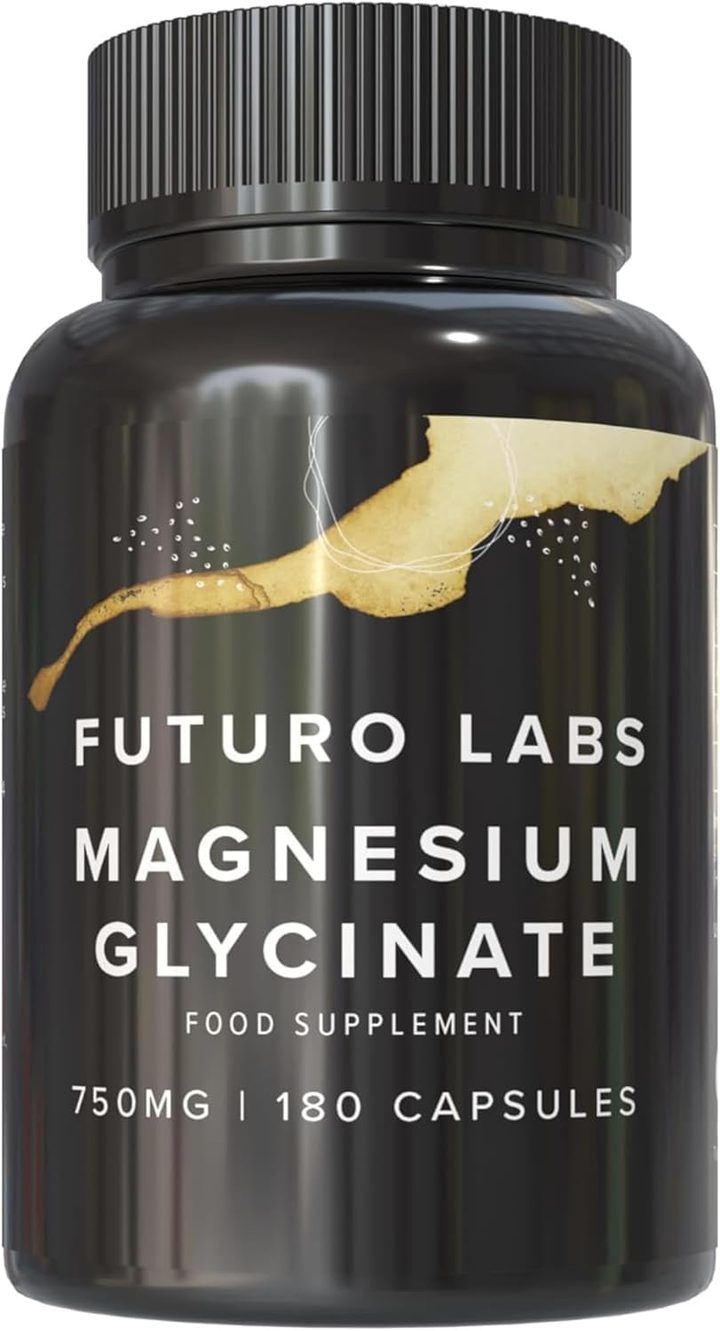
Our brand: the worked example on this page
Futuro Labs Magnesium Glycinate
- 22p a day
- 180 capsules, 2 capsules daily
- Lab tested
- Made in the UK
For the magnesium line of the panel, by audit: Futuro Labs Magnesium Glycinate on Amazon UK, bisglycinate, 300mg elemental at 80% NRV, £19.99 for 90 days at 22p. Full label breakdown. The three-cramps page is here; the night-cramp causes on the night cramps page.
The deficiency differential, ranked, and the commonest answer at the bottom of it
What deficiency causes muscle cramps in the legs is a differential rather than a single answer, and ranking it honestly puts the commonest answer last. Potassium: low potassium, hypokalaemia, cramps and weakens muscle and is the commoner exercise-related electrolyte cause, arising from heavy sweating, diarrhoea, vomiting, loop and thiazide diuretics, laxative use and some other medicines, and found on a routine blood test. Sodium: low sodium, hyponatraemia, cramps and confuses, the exercise version arising in long hot events when a runner drinks plain water beyond thirst and dilutes the blood, the reason endurance guidance now says drink to thirst and take sodium in long efforts, the cramps page's hydration lever. Calcium: low calcium, hypocalcaemia, produces cramps, tingling around the mouth and fingers and, when severe, tetany, arising from vitamin D deficiency, parathyroid problems, kidney disease and some medicines. Magnesium: low magnesium, hypomagnesaemia, cramps, twitches and tremor when clinically low, from alcohol, proton-pump inhibitors, diuretics, gut loss or a diet that ran badly light, and often travels with low potassium and calcium, the hypomagnesaemia page's picture, while mild low status from a light diet produces cramps by association rather than as a clinical sign. Vitamin D: severe deficiency softens bone, osteomalacia, and produces bone pain, proximal muscle weakness and aches and cramps, the deficiency being common in the UK in winter and in people with dark skin or little sun, though the cramps of mild insufficiency are not established. And the commonest answer, none: most leg cramps in adults have no deficiency at all, being idiopathic or mechanical, the night-cramp literature's finding, with age, position, inactivity, pregnancy, medicines and nerve or vascular disease as the associations and electrolyte deficiency a minority cause.
The blood panel that settles it, what to do with each answer, and the differential filed
The blood panel settles the differential in one visit, and it is the honest response to a cramp that recurs: a GP's routine electrolyte panel measures sodium, potassium and calcium, magnesium is added on request or where the history suggests it, kidney function and glucose come with the panel, vitamin D and thyroid function are added where symptoms warrant, and a creatine kinase is added where a statin or muscle weakness is in the picture, so that a single blood test answers every line of the differential and the cramps-without-a-deficiency reader learns it in a week rather than guessing at a shelf. What to do with each answer: a low potassium or sodium is a cause to find, sweat, diarrhoea, a diuretic, water overload, and a correction the GP directs; a low calcium is a vitamin D, parathyroid or kidney question for the GP; a low magnesium is repleted at a labelled dose with its cause closed, alcohol, a medicine, gut loss or the plate; a low vitamin D is corrected on the GP's dose; and a normal panel, the commonest result, sends the cramp to its mechanical toolkit, stretching the calves before bed and during a cramp, a review of cramping medicines with a pharmacist, hydration and sodium in long hot efforts, conditioning for exercise cramps, and a GP for cramps that are frequent, severe, one-sided or accompanied by swelling, weakness or numbness. The differential filed: potassium and sodium the commoner exercise-related deficiencies, calcium and magnesium the clinical ones, vitamin D through bone when severe, and none the commonest answer, with a routine panel settling it and the worked example being the magnesium line taken by audit where a diet runs light and never as a cramp cure, 300mg elemental at 22p, £19.99 for 90 days.
| The deficiency | How it cramps | How it is found and fixed |
|---|---|---|
| Potassium | Cramps and weakness; sweat, diarrhoea, diuretics, laxatives | The routine panel; the cause corrected |
| Sodium | Cramps and confusion; water overload in long hot efforts | The panel; drink to thirst, sodium in long events |
| Calcium | Cramps, tingling, tetany; vitamin D, parathyroid, kidneys | The panel; a GP question |
| Magnesium | Cramps, twitches, tremor when clinically low; alcohol, medicines, gut loss | Added on request; repletion with the cause closed |
| Vitamin D | Bone pain, weakness, aches and cramps when severe | A vitamin D level; the GP's dose |
| None | Idiopathic or mechanical: the commonest | The cramp toolkit; a GP for red flags |
The verdict, a differential with none at the bottom and a panel that settles it
What deficiency causes muscle cramps in the legs: a ranked differential, low potassium and low sodium as the commoner exercise-related electrolyte causes, low calcium and low magnesium as the clinical ones that cramp, tingle and twitch, severe vitamin D deficiency through softened bone, and none as the commonest answer, most leg cramps being idiopathic or mechanical, with a GP's routine electrolyte panel, magnesium and vitamin D added where the history suggests, settling every line in one blood test and the cramp toolkit handling the normal result. The magnesium line by audit: Futuro Labs Magnesium Glycinate, bisglycinate, 300mg elemental at 80% NRV, £19.99 for 90 days at 22p a day, never as a cramp cure.
What to check on the label
- Rank the deficiencies: potassium, sodium, calcium, magnesium, vitamin D.
- Expect none: most leg cramps have no deficiency.
- Get the panel: one blood test answers every line.
- Fix the cause the panel finds: on the GP's direction.
- Use the toolkit for a normal panel: stretching, a medicine review, hydration, conditioning.
Our brand
The worked example: Futuro Labs Magnesium Glycinate
Futuro Labs Magnesium Glycinate is the worked example for magnesium reviews because its label states every number a review needs: 1500mg magnesium bisglycinate at 20%, 300mg elemental, 80% NRV, 2 capsules a day, 180 capsules for £19.99, 22p a day, UK made, vegan HPMC shell, batch tested for lead, mercury, arsenic and cadmium, and only the register's own magnesium claims printed.
- Elemental magnesium per serving
- 300mg (80% NRV)
- Form
- magnesium bisglycinate 20%
- Serving
- 2 capsules a day
- Bottle
- 180 capsules, 90 days
- Price
- £19.99 (22p a day)
- Capsule
- vegetarian shell, vegan product
Questions people also ask
Which vitamin or mineral deficiency causes leg cramps?
Several can when clinically low: potassium and sodium are the commoner exercise-related causes, calcium and magnesium cramp and tingle, and severe vitamin D deficiency aches through bone; but most leg cramps have no deficiency at all, and a routine electrolyte panel settles it.
Are leg cramps usually a sign of low magnesium?
No: clinically low magnesium cramps, twitches and trembles, but it is a minority cause of leg cramps, arising from alcohol, medicines, gut loss or a diet that ran badly light, and mild low status from a light diet produces cramps only by association.
What blood test checks for cramp deficiencies?
A GP's routine electrolyte panel, sodium, potassium and calcium, with magnesium added on request, kidney function and glucose included, and vitamin D, thyroid function or creatine kinase added where symptoms, a statin or weakness are in the picture.
Can low potassium cause leg cramps?
Yes: hypokalaemia cramps and weakens muscle and is the commoner exercise-related electrolyte cause, from heavy sweating, diarrhoea, vomiting, diuretics or laxatives, found on the routine panel and corrected on a GP's direction.
What should I do if my blood tests are normal but I still get cramps?
Use the cramp toolkit: stretch the calves before bed and during a cramp, review cramping medicines with a pharmacist, hydrate with sodium in long hot efforts, condition for exercise cramps, and see a GP for cramps that are frequent, severe, one-sided or come with swelling, weakness or numbness.
Sources
- The electrolyte and cramp literature: low potassium, low calcium, low magnesium and low sodium can each produce muscle cramps and irritability when clinically low, with potassium and sodium disturbances the commoner exercise-related causes and all identified on a routine electrolyte panel. PubMed record
- The hypomagnesaemia literature: clinically low serum magnesium presents with cramps, tremor, weakness and, when severe, arrhythmias and seizures, with alcohol misuse, proton-pump inhibitors, diuretics and gastrointestinal loss the common causes, and serum magnesium an imperfect marker of tissue status. PubMed record
- The nocturnal leg cramp literature: most night cramps in adults are idiopathic, with age, sleeping position, inactivity, pregnancy, medicines such as diuretics, statins and beta-agonists, and vascular or nerve disease as associations, and electrolyte deficiency a minority cause found on blood tests. PubMed record
- Maughan RJ, Shirreffs SM. Muscle cramping during exercise: causes, solutions, and questions remaining. Sports Medicine 2019;49(Suppl 2):115-124. PubMed record