Ghost Fitness/Lion's mane/Which mushroom is best for lowering cortisol?
Which mushroom is best for lowering cortisol?
The short answer
None, and cortisol is not a dial: it is a normal hormone, no mushroom holds any cortisol claim, and persistently stressed weeks are a GP conversation. The lawful stress-adjacent shelf stays B vitamins, C and magnesium.
- The register's answerno cortisol claim exists for any mushroom or supplement
- The hormone, honestlya normal daily rhythm, highest on waking: not a toxin to lower
- The marketing's homecortisol vocabulary belongs to ashwagandha adjacency, not mushrooms
- The routingpersistent stress symptoms: a GP conversation, plainly
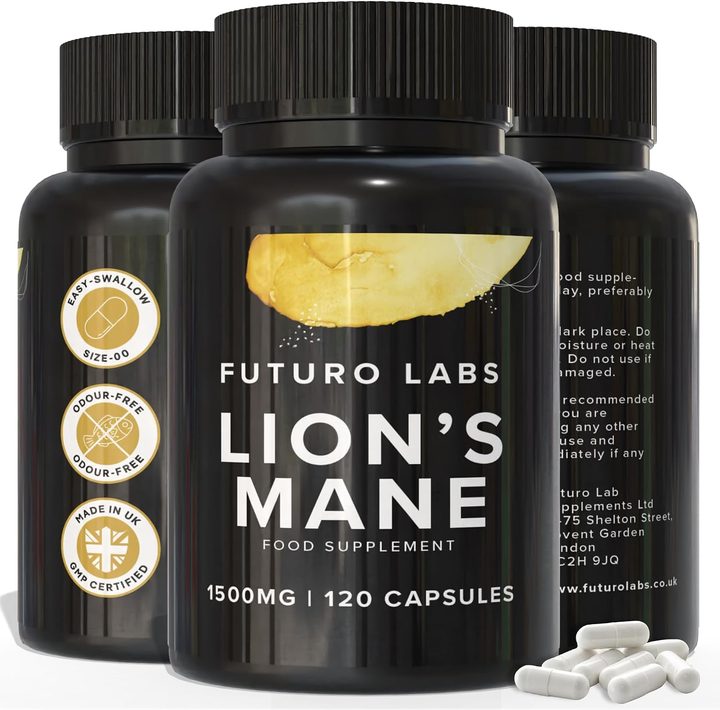
Our brand: the worked example on this page
Futuro Labs Lion's Mane
- 13p a day
- 120 capsules, 1 capsule daily
- Lab tested
- Made in the UK
Sold without a hormone word, correctly: Futuro Labs Lion's Mane on Amazon UK, 5:1 fruiting body extract at 13p a day, no cortisol claims because none exist. Full label breakdown. The adaptogen robe audit is on the adaptogen page; the ashwagandha pairing on the pairing page.
Cortisol taught as the hormone it is, and the lowering premise dismantled before the shelf is graded
Before grading any mushroom, teach the hormone, because the query's verb carries a wrong picture: cortisol is not a toxin accumulating toward danger but a normal, essential hormone with a daily rhythm, highest in the half hour after waking, the cortisol awakening response that helps get a body out of bed, declining through the day to a night-time low, rising appropriately under exercise, cold, and acute demand, and doing indispensable work throughout, mobilising fuel, regulating inflammation, keeping blood pressure where standing up requires, which means lowering cortisol is not a wellness goal any more than lowering heart rate to zero is cardio, the honest concerns being rhythm and chronicity, a pattern flattened or a load never switching off, and both of those being observations about a life and a physiology that no capsule audits. The medical bracket deserves its plain sentence: genuinely, persistently abnormal cortisol is endocrinology, the rare conditions of excess and deficiency being diagnosed by clinicians with actual measurements, and a reader whose interest in this query comes from real symptoms, exhaustion that sleep does not touch, unexplained weight and blood-pressure changes, weeks of wired-and-tired, is holding a GP conversation, not a shopping list, the routing this careful page exists to make easy rather than dramatic. With the premise corrected, the shelf grades in one line: no mushroom holds a cortisol, stress-hormone or any related claim in the UK, reishi's calm-cortisol marketing resting on the bench data its species file describes, and the aisle's entire human stress evidence remaining the Docherty pilot's secondary outcome, subjective stress, not cortisol, in forty-one people.
The vocabulary traced to its actual home, the lawful shelf restated, and the levers that respect the rhythm
Trace the cortisol vocabulary to where it actually lives and the mushroom aisle turns out to be borrowing from a neighbour: the supplement most associated with cortisol studies is ashwagandha, a botanical root, not a mushroom, whose small randomised trials on stress and cortisol measures exist and are real research, described on the pairing page with their size, their withanolide-standardised extracts and their claim-free status, because ashwagandha too holds no authorised UK claim, the point here being narrower, that mushroom marketing wearing cortisol language has borrowed even its borrowed robe, the vocabulary two doors down from any mushroom's actual file. The lawful stress-adjacent shelf restates in a line, since this section has built it twice: normal psychological function held by the B family, vitamin C and magnesium, the fatigue-reduction family beside it, magnesium's own section pricing the printed sentences at 22p, all maintenance grammar mattering where diets fall short and none of it a hormone dial. And the levers that actually respect the rhythm close the page, because the honest cortisol conversation is behavioural: sleep regular and sufficient, the rhythm's scaffolding; training loaded and recovered rather than piled, chronic under-recovery being this audience's likeliest self-inflicted load; caffeine kept early, late doses leaning on the evening decline; daylight in the morning, the response's natural cue; and stress load managed as a calendar problem where it is one, with the standing gentle line repeated once, weeks of persistent stress symptoms, poor sleep, low mood or the wired-tired pattern being a plain GP conversation, which outranks every aisle this query could have led to, mushrooms first among them.
| The item | The finding | The action |
|---|---|---|
| The hormone | Normal, rhythmic, essential: not a toxin | Lowering is not a goal; rhythm is the story |
| The mushroom shelf | No cortisol claim; bench-data marketing | Graded zero, species by species |
| The vocabulary's home | Ashwagandha's small trials, two doors down | Even the borrowed robe is borrowed |
| The lawful shelf | Bs, vitamin C, magnesium: psychological function | Cover shortfalls; expect no dial |
| The levers | Sleep, recovery, early caffeine, morning light | The rhythm's actual scaffolding |
| The routing | Persistent symptoms: GP, plainly | Endocrinology owns real abnormality |
The verdict, delivered without a dial
Which mushroom is best for lowering cortisol: none, because none holds any cortisol claim and because the premise mistakes a rhythmic, essential hormone for a dial, the honest concerns being rhythm and chronic load, served by sleep, sensible training recovery, early caffeine and morning light, with the cortisol vocabulary traced home to ashwagandha's small claim-free trials rather than any fungus, the lawful stress-adjacent shelf staying B vitamins, C and magnesium, and weeks of persistent stress symptoms routed plainly to a GP. The worked example keeps the lawful silence: Futuro Labs Lion's Mane, 5:1 fruiting body extract, one capsule daily, UK made, lab tested, £15.49 for 120 days at 13p a day, printing no hormone word anywhere, which on this page is the entire answer.
What to check on the label
- Correct the premise first: cortisol is rhythmic, not a dial.
- Grade the shelf at zero: no mushroom holds any cortisol claim.
- Trace the vocabulary home: ashwagandha's trials, not any fungus.
- Scaffold the rhythm: sleep, recovery, early caffeine, morning light.
- Route persistence plainly: real symptoms are a GP conversation.
Our brand
The worked example: Futuro Labs Lion's Mane
Futuro Labs Lion's Mane: 1 capsule daily of 5:1 fruiting body extract, labelled 1500mg mushroom equivalent (about 300mg extract), 120 capsules for £15.49, 120 days at 13p a day. Vegan HPMC shell, UK made under GMP and BRC, independently lab tested, caffeine free. Lion's mane holds no authorised UK health claims; this site describes its small studies as studies.
- Extract
- fruiting body, 5:1
- Per capsule
- 1500mg mushroom equivalent
- Serving
- 1 capsule a day
- Bottle
- 120 capsules, 120 days
- Price
- £15.49 (13p a day)
- Capsule
- HPMC vegan shell, size 00
Questions people also ask
Do any mushrooms actually lower cortisol?
No mushroom holds a cortisol or stress-hormone claim, and the aisle's human evidence contains no cortisol outcome at all: the calm marketing rests on bench data its species files describe.
Is high cortisol why I feel stressed and tired?
That is a measurement, not a vibe: genuinely abnormal cortisol is rare and diagnosed by clinicians, while weeks of wired-tired, poor sleep or low mood are a plain GP conversation either way.
What supplement has real cortisol research?
Ashwagandha, a botanical root: small randomised trials on stress and cortisol measures exist, standardised by withanolides, with no authorised UK claim resulting, covered honestly on the pairing page.
What lawfully supports normal stress function?
The register's holders: B vitamins, vitamin C and magnesium for normal psychological function, plus the fatigue-reduction family, all maintenance sentences that matter where diet falls short.
What actually helps a healthy cortisol rhythm?
The scaffolding: regular sufficient sleep, training recovered rather than piled, caffeine kept early, morning daylight, and stress load managed as the calendar problem it often is.
Sources
- The ashwagandha trial literature: small randomised studies of Withania somnifera root extracts on stress and cortisol measures, typically standardised by withanolide content, with no authorised UK claim resulting. PubMed record
- Docherty S, Doughty FL, Smith EF. The acute and chronic effects of lion's mane mushroom supplementation on cognitive function, stress and mood in young adults: a double-blind, parallel groups, pilot study. Nutrients 2023;15(22):4842. PubMed record
- The GB claims register, fatigue entries: reduction of tiredness and fatigue is held by riboflavin, niacin, pantothenic acid, B6, B12, folate, vitamin C, magnesium and iron at label thresholds. https://www.gov.uk/government/publications/great-britain-nutrition-and-health-claims-nhc-register
- Retained Regulation (EC) No 1924/2006 on nutrition and health claims made on foods, and the Great Britain nutrition and health claims register. https://www.gov.uk/government/publications/great-britain-nutrition-and-health-claims-nhc-register