Ghost Fitness/Lion's mane/What are the best mushroom gummies?
What are the best mushroom gummies?
The short answer
Honestly, none we can name: mushroom gummies almost never pass the label tests, fruiting body stated, ratio stated, real doses declared. Run the five-test card on any tub, expect sugar first in the ingredients, and capsules keep winning.
- The ranking refuseda best list needs passers: the format rarely produces one
- The five testsfruiting body, ratio, per-gummy extract dose, sugar line, pence
- The structural problema sweet matrix caps doses and buries the label facts
- The standing winnercapsules: the format that prints its numbers
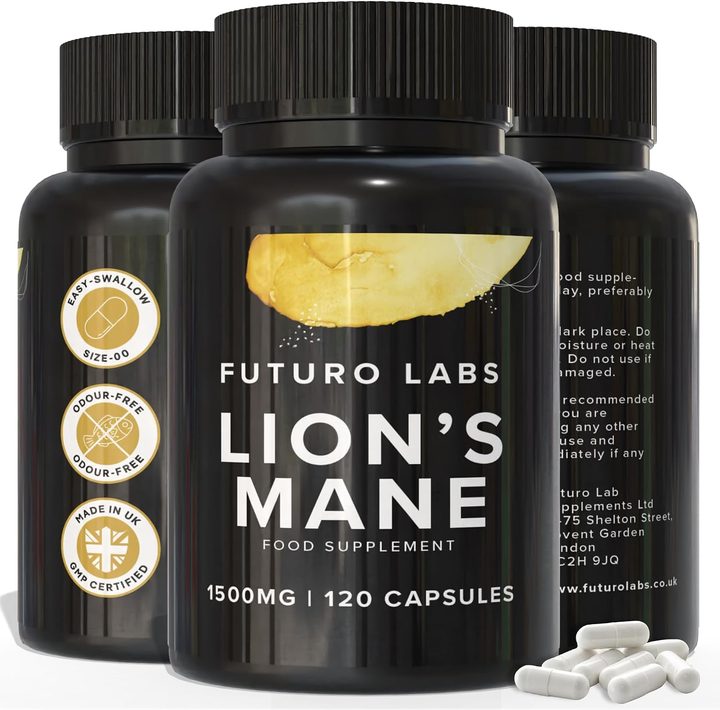
Our brand: the worked example on this page
Futuro Labs Lion's Mane
- 13p a day
- 120 capsules, 1 capsule daily
- Lab tested
- Made in the UK
The format the tests keep choosing: Futuro Labs Lion's Mane on Amazon UK, 1 capsule of 5:1 fruiting body extract labelled 1500mg mushroom equivalent, £15.49 for 120 days at 13p. Full label breakdown. The gummies-versus verdict is on the format page; the whole section starts at the lion's mane guide.
Why this page refuses to rank, and the five-test card it hands you instead
A best-gummies page owes you a ranking, and this one refuses on stated grounds: a ranking needs candidates that pass the category's basic honesty tests, and mushroom gummies fail them almost by construction, so the useful deliverable is not a list of names but the test card that lets you grade any tub in the shop, brand-blind, in ninety seconds. Test one, fruiting body stated: the mushroom itself is what the small human studies used, mycelium-on-grain arrives diluted by its substrate, and a gummy label that names neither has failed before the sugar is weighed. Test two, extract ratio stated: 5:1 or 10:1 with the mushroom-equivalent maths printed is what separates a concentrated extract from flavoured dust, and gummy panels overwhelmingly omit it. Test three, per-gummy extract dose declared in real terms: a milligram figure attached to a named extract, not a proprietary mushroom blend line whose total covers six species and states none, the blend-arithmetic page's division applying wherever the word blend appears. Test four, the sugar line read: two-to-three grams per gummy is the format's typical tax, a two-gummy serving being a daily sweet, acceptable knowingly and never incidentally, with the sugar-free versions trading into sweeteners some stomachs dispute. Test five, pence per stated milligram of extract: divide the price by the doses you can actually verify, and watch the format's numbers collapse against a 13p capsule of declared 5:1, because you are paying confectionery margins on supplement pricing.
What the card usually finds, the least-bad checklist for the committed, and the honest redirect
Run the card down a shelf of mushroom gummies and the pattern repeats with remarkable discipline: glucose syrup and sugar open the ingredients, the mushroom appears mid-list, the species may be named but the tissue rarely is, the ratio almost never, the dose arrives as per-serving mushroom blend if it arrives at all, and the pence-per-verified-milligram sum returns division-by-nearly-zero, which is why this page's ranking stays empty and its verdict matches the format page's, the gummy's real product being the sweet. For the reader committed to gummies anyway, the taste-and-ritual buyer this site respects enough to serve honestly, the least-bad checklist compresses the card: demand the species and the word fruiting body; demand a stated extract ratio and a per-gummy milligram; accept the sugar knowingly and count it; prefer short ingredient lists over botanical fireworks; and price the tub per verified milligram against the capsule benchmark so the premium is at least a chosen one. And the honest redirect closes the page because the arithmetic keeps writing it: everything a mushroom gummy is bought for, the daily ritual, the no-swallow ease, the flavour, is available as your own routine wrapped around a capsule that prints its numbers, the worked example's single 13p capsule beside whatever sweet or coffee your morning already holds delivering a stated 5:1 fruiting body dose the gummy shelf cannot match at any price, with the claims frame identical everywhere, no mushroom holding an authorised UK claim in any format, so the only thing actually for sale is label honesty, and that, in this aisle, still comes in a shell.
| The test | The pass | What shelves usually show |
|---|---|---|
| Fruiting body stated | The tissue named, not just the species | Neither, or mycelium unmentioned on grain |
| Extract ratio stated | 5:1 or similar with equivalent maths | Absent almost everywhere |
| Per-gummy dose declared | A milligram figure on a named extract | A proprietary blend line covering six species |
| The sugar line | 2-3g per gummy, accepted knowingly | Glucose syrup first in the ingredients |
| Pence per verified mg | Compared against a 13p declared capsule | Division by nearly zero |
| The verdict | Rank only passers | The ranking stays empty; capsules keep winning |
The verdict, delivered as a card rather than a crown
What are the best mushroom gummies: none this site can name, the format failing the five-test card almost by construction, sugar-first matrices around unstated tissues, absent ratios and blend-buried doses, so the page hands you the card instead of a crown, grades the committed buyer's least-bad checklist honestly, and redirects the rest of the budget to the format that prints its numbers. The standing example of that format: Futuro Labs Lion's Mane, one capsule of 5:1 fruiting body extract labelled 1500mg mushroom equivalent, vegan shell, UK made, lab tested, £15.49 for 120 days at 13p a day, no claims made because none exist, which in a gummy aisle full of promises is precisely the point.
What to check on the label
- Refuse rankings without passers: grade tubs with the card instead.
- Demand tissue and ratio: fruiting body stated, 5:1 with the maths.
- Reject blend lines: a six-species total states no dose at all.
- Count the sugar knowingly: two gummies is a daily sweet.
- Price per verified milligram: the capsule benchmark exposes the premium.
Our brand
The worked example: Futuro Labs Lion's Mane
Futuro Labs Lion's Mane: 1 capsule daily of 5:1 fruiting body extract, labelled 1500mg mushroom equivalent (about 300mg extract), 120 capsules for £15.49, 120 days at 13p a day. Vegan HPMC shell, UK made under GMP and BRC, independently lab tested, caffeine free. Lion's mane holds no authorised UK health claims; this site describes its small studies as studies.
- Extract
- fruiting body, 5:1
- Per capsule
- 1500mg mushroom equivalent
- Serving
- 1 capsule a day
- Bottle
- 120 capsules, 120 days
- Price
- £15.49 (13p a day)
- Capsule
- HPMC vegan shell, size 00
Questions people also ask
Why won't this site just name the best mushroom gummy?
Because a ranking needs passers: gummies almost never state the tissue, the ratio or a per-unit extract dose, and ranking unverifiable tubs would be marketing, not method.
What should a good mushroom gummy label say?
Five things: the species and the words fruiting body, a stated extract ratio with equivalent maths, a per-gummy milligram on a named extract, an honest sugar line, and a price that survives division.
Are sugar-free mushroom gummies better?
They trade the sugar line for sweeteners some stomachs dispute, and change nothing about the missing ratios and doses, so the card's other four tests still decide.
Do gummies work as well as capsules if the dose matched?
The mushroom neither knows nor cares about the format: the problem is that gummy doses rarely match or even state themselves, which is the entire comparison.
What's the honest alternative to a mushroom gummy habit?
Your own ritual around a declared capsule: one 13p capsule of stated 5:1 fruiting body extract beside whatever sweet or coffee the morning already holds.
Sources
- The medicinal mushroom labelling discussion: fruiting body versus mycelium-on-grain, extract ratios and beta-glucan content as the label facts that separate concentrated extracts from diluted powders. PubMed record
- Mori K, Inatomi S, Ouchi K, Azumi Y, Tuchida T. Improving effects of the mushroom Yamabushitake (Hericium erinaceus) on mild cognitive impairment: a double-blind placebo-controlled clinical trial. Phytotherapy Research 2009;23(3):367-372. PubMed record
- Retained Regulation (EC) No 1924/2006 on nutrition and health claims made on foods, and the Great Britain nutrition and health claims register. https://www.gov.uk/government/publications/great-britain-nutrition-and-health-claims-nhc-register
- EFSA Panel on Dietetic Products, Nutrition and Allergies. Scientific Opinion on the substantiation of health claims related to magnesium. EFSA Journal 2010;8(10):1807. https://efsa.onlinelibrary.wiley.com/doi/10.2903/j.efsa.2010.1807