Ghost Fitness/Lion's mane/What is the difference between fruiting body and mycelium lion's mane?
What is the difference between fruiting body and mycelium lion's mane?
The short answer
Fruiting body is the mushroom, the spined white structure grown on logs or sawdust and harvested whole; mycelium is the thread network it grows from, grown commercially on grain and usually harvested with it. Different stage, growth, harvest and cost.
- The stagefruiting body: reproductive; mycelium: vegetative feeding network
- The growingfruiting body on hardwood, logs or sawdust blocks; mycelium in grain bags
- The harvestthe mushroom picked whole; the mycelium usually taken with its grain
- The costfruiting body slower and dearer to produce; mycelium faster and cheaper
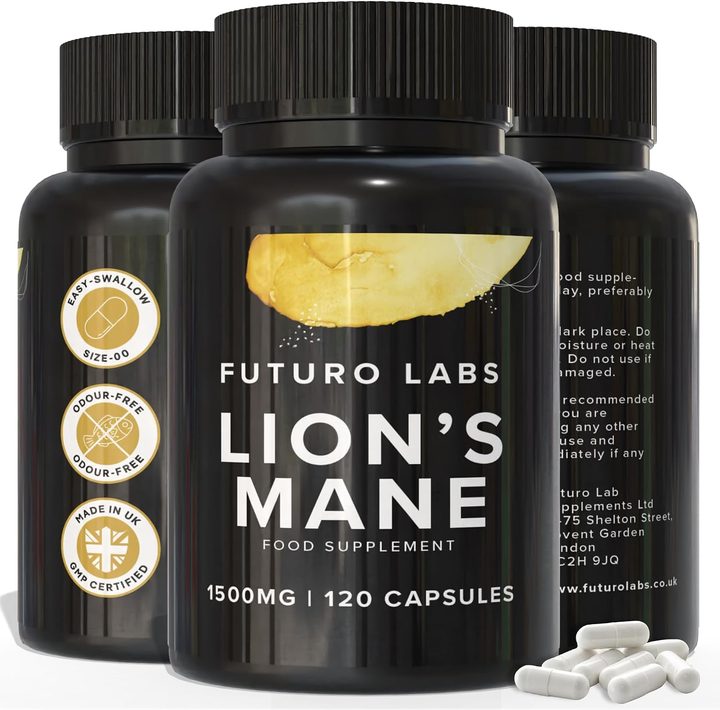
Our brand: the worked example on this page
Futuro Labs Lion's Mane
- 13p a day
- 120 capsules, 1 capsule daily
- Lab tested
- Made in the UK
The fruiting-body entry, as a product: Futuro Labs Lion's Mane on Amazon UK, 5:1 fruiting body extract, 1500mg equivalent per capsule, £15.49 for 120 days at 13p. Full label breakdown. The verdicts live on the fruiting-body-versus page and the mycelium page.
The two stages defined without a verdict, because difference asks for description and the verdicts have their own pages
This query asks what the difference is, not which is better, so this page is the section's plain glossary entry, describing the two things without ranking them and leaving the verdicts to the pages built for them. Fruiting body: the reproductive stage of the fungus, the structure the organism produces to release spores, and in lion's mane a white, rounded mass of soft cascading spines, no cap and no gills, growing from wounds in hardwood trees in the wild, the mushroom in the ordinary sense of the word, the thing cooks buy and photographs show. Mycelium: the vegetative stage, the network of fine thread-like hyphae through which the fungus lives, feeds and spreads, hidden inside its food source, wood in the wild, a white web rather than a recognisable mushroom, the organism's body for most of its life, from which fruiting bodies emerge when conditions trigger them. Both are lion's mane, Hericium erinaceus, one organism at two stages, the way an apple and the tree it grows on are one plant, the apple being the fruiting body's nearest everyday analogy, the tree's roots and wood the mycelium's, with the important difference that a fungus spends far more of its existence as the hidden network than as the visible fruit.
How each is grown, harvested and costed commercially, and the appearance of each in a supplement bag
The commercial differences follow from the biology. Growing: fruiting bodies are cultivated by inoculating sterilised hardwood sawdust blocks or logs with the fungus, letting the mycelium colonise the substrate over weeks, then triggering fruiting with humidity, light and fresh air, the mushrooms emerging and maturing over further weeks before harvest; mycelium for supplements is typically grown in bags of sterilised grain, oats, rice or sorghum, which the fungus colonises quickly at scale, or, in the grain-free method, in liquid culture tanks by fermentation. Harvest: the fruiting body is picked whole, cleanly separated from its substrate, then dried and processed; mycelium grown on grain is usually harvested with the grain, the colonised block dried and milled together because the web cannot be practically separated from the substrate it has grown through, liquid-fermented mycelium being the exception, filtered from its broth as biomass. Appearance in a bag: dried fruiting-body extract is a tan-to-brown powder; mycelium-on-grain powder is typically paler and lighter, the grain's starch showing in colour and in the glucan analysis; and a label cannot be told apart by eye, which is why the section teaches tissue statements and the starch tell. Cost: fruiting bodies take longer and more space to grow to maturity and yield less per unit of substrate, making them the dearer raw material; mycelium-on-grain grows fast and cheap, the cost difference being the economic reason the two are sold at all and the reason their labels should not price alike. That is the difference, stated as a glossary states it, and the questions the difference raises, which to buy, when the cheaper is honest, what each contains, are answered on the pages this one links to rather than here.
| The item | Fruiting body | Mycelium |
|---|---|---|
| The stage | Reproductive: the spore-bearing mushroom | Vegetative: the feeding thread network |
| The appearance | White cascading spines; no cap or gills | A hidden white web inside its substrate |
| Commercial growing | Sawdust blocks or logs; weeks to fruit and mature | Grain bags, fast; or liquid fermentation tanks |
| The harvest | Picked whole, separated from substrate | Usually milled with its grain; liquid-grown filtered as biomass |
| In the bag | Tan-to-brown extract powder | Paler powder, starch visible on analysis |
| The cost | Slower, dearer raw material | Faster, cheaper to produce |
The entry, closed without a verdict
The difference between fruiting body and mycelium lion's mane: one organism at two stages, the fruiting body being the spined white mushroom grown on hardwood or sawdust and harvested whole, the mycelium being the hidden thread network the mushroom grows from, grown commercially in grain bags and usually milled with its grain or, grain-free, fermented in liquid, the two differing in stage, growing method, harvest, appearance on analysis and cost of production, with every question the difference raises about which to buy left to the verdict pages. The fruiting-body entry as a product: Futuro Labs Lion's Mane, 5:1 fruiting body extract, 1500mg mushroom equivalent per capsule, UK made, lab tested, £15.49 for 120 days at 13p a day, described here, as everything on this page is described, rather than ranked.
What to check on the label
- One organism, two stages: the mushroom and the web it grows from.
- Different growing: sawdust blocks versus grain bags or liquid tanks.
- Different harvest: picked whole versus milled with grain.
- Different cost: slow and dear versus fast and cheap.
- Verdicts elsewhere: this page describes; the linked pages rank.
Our brand
The worked example: Futuro Labs Lion's Mane
Futuro Labs Lion's Mane: 1 capsule daily of 5:1 fruiting body extract, labelled 1500mg mushroom equivalent (about 300mg extract), 120 capsules for £15.49, 120 days at 13p a day. Vegan HPMC shell, UK made under GMP and BRC, independently lab tested, caffeine free. Lion's mane holds no authorised UK health claims; this site describes its small studies as studies.
- Extract
- fruiting body, 5:1
- Per capsule
- 1500mg mushroom equivalent
- Serving
- 1 capsule a day
- Bottle
- 120 capsules, 120 days
- Price
- £15.49 (13p a day)
- Capsule
- HPMC vegan shell, size 00
Questions people also ask
What is the fruiting body of lion's mane?
The reproductive stage: the white, rounded, cascading-spined mushroom the fungus produces to release spores, grown on hardwood or sawdust blocks and harvested whole, the mushroom in the everyday sense.
What is lion's mane mycelium?
The vegetative stage: the network of fine thread-like hyphae through which the fungus feeds and spreads inside its substrate, its body for most of its life, from which fruiting bodies emerge.
How is each grown commercially?
Fruiting bodies on inoculated sawdust blocks or logs, colonised then triggered to fruit over weeks; mycelium in grain bags colonised quickly at scale, or grain-free in liquid fermentation tanks.
Why is mycelium usually harvested with grain?
Because the web grows through the grain and cannot practically be separated from it, so the colonised block is dried and milled together, liquid-fermented mycelium being the filtered exception.
Which should I buy?
Not this page's question: it describes the difference, and the verdict pages on fruiting body versus mycelium and on mycelium extracts handle which to buy and when the cheaper one is honest.
Sources
- The hericium compound literature: erinacines are characterised from mycelium and hericenones from fruiting body, both studied for nerve growth factor activity in bench and animal models, with the human trials having used fruiting-body preparations. PubMed record
- The mushroom polysaccharide analysis literature: beta-glucan content marks fungal material while high alpha-glucan readings indicate grain starch, the analytical distinction between fruiting body extracts and mycelium-on-grain powders. PubMed record
- The medicinal mushroom labelling discussion: fruiting body versus mycelium-on-grain, extract ratios and beta-glucan content as the label facts that separate concentrated extracts from diluted powders. PubMed record
- Mori K, Inatomi S, Ouchi K, Azumi Y, Tuchida T. Improving effects of the mushroom Yamabushitake (Hericium erinaceus) on mild cognitive impairment: a double-blind placebo-controlled clinical trial. Phytotherapy Research 2009;23(3):367-372. PubMed record