Ghost Fitness/Lion's mane/What are beta-glucans in lion's mane?
What are beta-glucans in lion's mane?
The short answer
Beta-glucans are the structural polysaccharides of fungal cell walls. On labels they are a quality marker separating mushroom from grain starch, not a benefit claim; the oat beta-glucan cholesterol claim does not transfer.
- What they areglucose polymers forming the fungal cell wall: beta-1,3 backbone, 1,6 branches
- What they are notthe linear beta-1,3/1,4 glucans of oats and barley
- The claim that existsoat and barley beta-glucan: cholesterol maintenance at 3g, cereal only
- What they mean on a labela fungal-content marker against grain starch, not a benefit
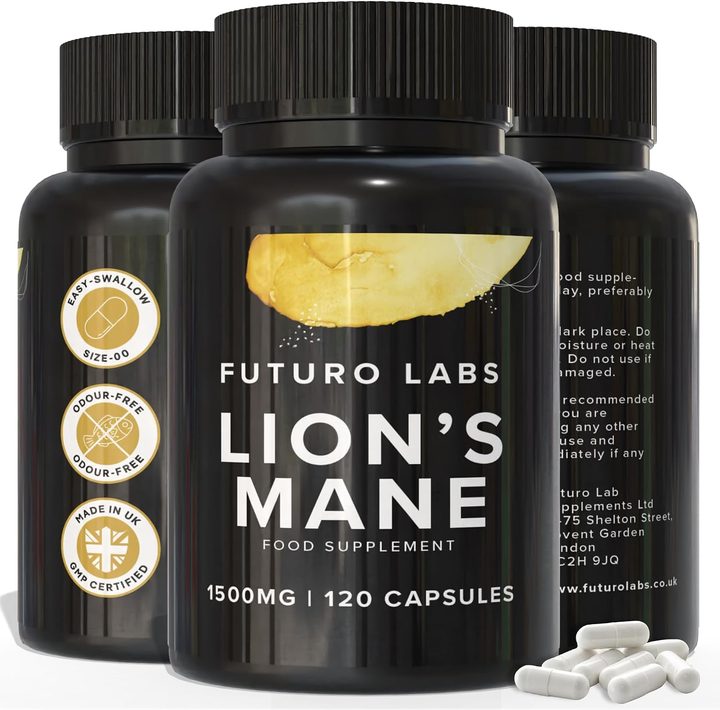
Our brand: the worked example on this page
Futuro Labs Lion's Mane
- 13p a day
- 120 capsules, 1 capsule daily
- Lab tested
- Made in the UK
A fungal extract whose glucans a lab could confirm: Futuro Labs Lion's Mane on Amazon UK, 5:1 fruiting body extract, no glucan percentage invented, £15.49 for 120 days at 13p. Full label breakdown. The starch tell is on the fruiting-body page; the extraction that dissolves them on the extract page.
The molecule taught, and the linkage detail that stops a cereal claim wandering onto a mushroom label
Beta-glucans are polysaccharides, long chains of glucose units, and in mushrooms they are structural: the fungal cell wall is built substantially from them, chains with a beta-1,3 backbone and beta-1,6 side branches woven with chitin into the wall that hot-water extraction has to break, so when a lion's mane label reports a beta-glucan percentage it is reporting how much of the extract is fungal cell-wall material, which is why the figure serves as the section's fungal marker, high beta-glucans meaning the powder came from mushroom tissue and high alpha-glucans, the starch of grain, meaning it came substantially from the substrate a mycelium grew on, the starch tell that separates a fruiting-body extract from mycelium-on-grain. The linkage detail matters because a different beta-glucan holds a real claim and the two are routinely confused: oats and barley contain beta-glucans too, but linear ones with mixed beta-1,3 and 1,4 linkages, chemically and functionally distinct from the branched 1,3/1,6 glucans of fungi, and it is the cereal beta-glucan that holds an authorised UK claim, contributing to the maintenance of normal blood cholesterol at 3g a day, a claim specific to oat and barley beta-glucan and inapplicable to mushroom products, so a lion's mane label or listing borrowing cholesterol or heart vocabulary on the strength of its beta-glucan content has transferred a cereal claim onto a fungal molecule that does not hold it, an instant fail by the forensics pages' first flag and a common one.
What the bench literature says and does not, what the percentage means on a label, and the molecule kept in its lane
The fungal beta-glucan bench literature is large and this site describes it as bench literature: mushroom beta-glucans are studied extensively in cell-culture and animal models for immune-modulating activity, the polysaccharide fraction being the basis of the pharmaceutical mushroom extracts studied in oncology settings abroad, the turkey tail note, and the basis of much of the immunity marketing draped over the retail aisle, with the honest print being that no mushroom beta-glucan holds any authorised claim, immune or otherwise, in the UK, that human trials of retail mushroom extracts for immune outcomes are thin, and that the register's immune-function claims belong to vitamins C and D, zinc, selenium, iron, folate, B6 and B12, nutrients a buyer can actually check against a diet. What the percentage means on a label is therefore precise and modest: a beta-glucan figure is a quality and identity marker, corroborating that the extract is fungal, concentrated and honestly sourced, the corroboration the advanced curriculum teaches buyers to request, and it is not a benefit statement, a higher percentage meaning more fungal cell-wall material and not more of anything the register or a human trial has attached to a result, the figure to be preferred where published, never invented where absent, and never read as the cholesterol number it superficially resembles. The molecule kept in its lane: beta-glucans are what lion's mane is made of, the reason hot water is the extraction solvent, the marker labs use to catch grain, and the subject of a large bench file with no human claim, and the worked example treats them exactly that way, a fungal extract whose glucan content a lab could confirm on request and whose label prints no percentage it has not measured, which is the honest posture toward a number that says what a product is and never what it does.
| The item | Fungal beta-glucans | Cereal beta-glucans |
|---|---|---|
| The structure | Beta-1,3 backbone, 1,6 branches: cell-wall polymer | Linear beta-1,3/1,4: oat and barley |
| Where found | Mushroom tissue; dissolved by hot-water extraction | Oats and barley |
| The authorised claim | None: no mushroom glucan holds a UK claim | Cholesterol maintenance at 3g daily |
| The transfer | The cereal claim does not apply | Specific to cereal glucans |
| On a mushroom label | A fungal-content marker against grain starch | Not relevant |
| The bench literature | Immune-modulation studies in cells and animals | Separate cholesterol trials |
The verdict, a marker and never a claim
What beta-glucans are in lion's mane: the structural polysaccharides of the fungal cell wall, branched beta-1,3/1,6 glucose polymers woven with chitin, dissolved by hot-water extraction and reported on labels as a marker of fungal content against the alpha-glucan starch of grain, distinct from the linear cereal beta-glucans of oats and barley whose cholesterol claim is theirs alone and does not transfer, with a large bench literature on immune modulation and no authorised claim of any kind on a mushroom. The honest posture, worked: Futuro Labs Lion's Mane, 5:1 fruiting body extract, a fungal product whose glucans a lab could confirm on request, printing no percentage it has not measured, UK made, lab tested, £15.49 for 120 days at 13p a day, a molecule described as what the mushroom is made of and never as what it does.
What to check on the label
- Know the molecule: branched 1,3/1,6 glucose chains, the fungal wall.
- Read the percentage as a marker: fungal content against grain starch.
- Refuse the cereal claim: oat cholesterol sentences do not transfer.
- File the bench literature as bench: no mushroom glucan holds a claim.
- Prefer published, never invented: request the assay, accept silence.
Our brand
The worked example: Futuro Labs Lion's Mane
Futuro Labs Lion's Mane: 1 capsule daily of 5:1 fruiting body extract, labelled 1500mg mushroom equivalent (about 300mg extract), 120 capsules for £15.49, 120 days at 13p a day. Vegan HPMC shell, UK made under GMP and BRC, independently lab tested, caffeine free. Lion's mane holds no authorised UK health claims; this site describes its small studies as studies.
- Extract
- fruiting body, 5:1
- Per capsule
- 1500mg mushroom equivalent
- Serving
- 1 capsule a day
- Bottle
- 120 capsules, 120 days
- Price
- £15.49 (13p a day)
- Capsule
- HPMC vegan shell, size 00
Questions people also ask
What are beta-glucans?
Polysaccharides, long glucose chains, which in mushrooms form the cell wall as branched beta-1,3/1,6 polymers woven with chitin, the material hot-water extraction dissolves and labs measure as the fungal marker.
Why do lion's mane labels list beta-glucan percentages?
As a quality and identity marker: high beta-glucans confirm fungal content, while high alpha-glucans reveal grain starch from mycelium substrate, the starch tell that separates honest extracts from diluted ones.
Do beta-glucans lower cholesterol?
Oat and barley beta-glucans hold that authorised claim at 3g daily, but they are linear 1,3/1,4 glucans chemically distinct from fungal ones, and the claim does not transfer to any mushroom product.
Are mushroom beta-glucans good for immunity?
The bench literature on immune modulation in cells and animals is large, but no mushroom beta-glucan holds any UK claim, and the register's immune-function sentences belong to vitamins C and D, zinc, selenium and other nutrients.
Should I buy the lion's mane with the highest beta-glucan percentage?
Prefer published figures over silence and treat them as corroboration, not benefit: a higher percentage means more fungal cell-wall material, not more of anything a trial or the register has attached to a result.
Sources
- The fungal beta-glucan structure literature: mushroom beta-glucans are glucose polymers with beta-1,3 backbones and beta-1,6 branches, distinct from the beta-1,3/1,4 linear glucans of oats and barley. PubMed record
- The GB claims register, beta-glucan entry: oat and barley beta-glucans contribute to the maintenance of normal blood cholesterol at 3g daily, a claim specific to cereal beta-glucans and not applicable to mushroom products. https://www.gov.uk/government/publications/great-britain-nutrition-and-health-claims-nhc-register
- The mushroom polysaccharide analysis literature: beta-glucan content marks fungal material while high alpha-glucan readings indicate grain starch, the analytical distinction between fruiting body extracts and mycelium-on-grain powders. PubMed record
- Retained Regulation (EC) No 1924/2006 on nutrition and health claims made on foods, and the Great Britain nutrition and health claims register. https://www.gov.uk/government/publications/great-britain-nutrition-and-health-claims-nhc-register