Ghost Fitness/Lion's mane/What is the best mushroom for the liver?
What is the best mushroom for the liver?
The short answer
None helps: the honest mushroom-liver story is safety, wild misidentification causing liver failure. Choline holds the register's one liver sentence, and the real levers are alcohol moderation, weight and respected paracetamol dosing, with symptoms seeing a GP.
- The shopping answerno mushroom holds any liver claim, and none has liver trials
- The safety inversionthe strongest mushroom-liver fact is amatoxin poisoning
- The register's one sentencecholine: contributes to maintenance of normal liver function
- The real leversalcohol within guidelines, weight, paracetamol dosing respected
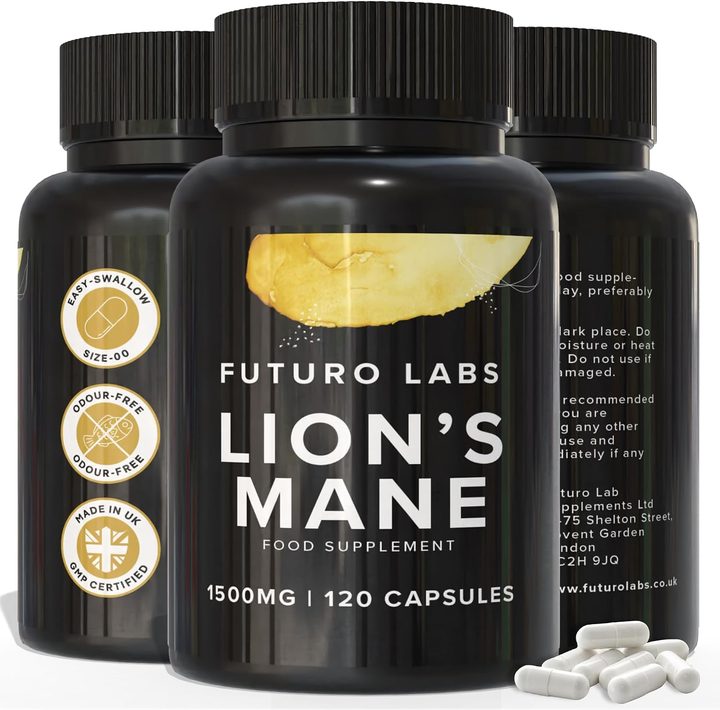
Our brand: the worked example on this page
Futuro Labs Lion's Mane
- 13p a day
- 120 capsules, 1 capsule daily
- Lab tested
- Made in the UK
Sold with no organ on the label, correctly: Futuro Labs Lion's Mane on Amazon UK, 5:1 fruiting body extract at 13p a day, no liver claims because none exist. Full label breakdown. The species files are on the mushroom method page; the herb's liver notes on the pairing page.
The safety inversion stated first, because the honest mushroom-liver story runs the other way
This query expects a shopping answer and the honest page must begin with an inversion: the strongest fact linking mushrooms and livers in all of medicine is a harm, not a help, misidentified wild mushrooms containing amatoxins, the death cap foremost, causing acute liver failure, the most serious mushroom-related emergency there is, which is why every foraging authority repeats the same rule, never eat a wild mushroom without expert identification, and why this page states it once, plainly, before any shelf is discussed, cultivated supermarket and supplement mushrooms sitting entirely outside that danger and the sentence still belonging at the top of any honest mushroom-and-liver text. The shopping answer then lands in one line: no mushroom holds a liver, detox or cleanse claim in the UK, none has human liver trials, and the detox vocabulary draped over reishi and chaga is the register-free marketing their species files already graded, with the adjacent botanical named for completeness, milk thistle, the liver aisle's traditional occupant, sitting in the same on-hold claims limbo with a clinical evidence file the hepatology literature grades as weak, and the supplement-liver ledger carrying one more honest entry on the cost side, the rare but documented herb-induced liver injury reports attached to several botanicals, the pairing page's ashwagandha note among them, meaning the aisle this query walked into contains, on current evidence, more documented liver risk than liver benefit.
Choline's lone sentence, the levers that actually protect the organ, and the routing held plainly
The register does contain exactly one liver sentence and honesty promotes it: choline contributes to the maintenance of normal liver function, the sole authorised liver-worded claim on the entire supplement shelf, held by a nutrient abundant in eggs, meat, fish, dairy and soya, which most mixed diets supply and which turns the lawful version of this query's hope into a diet check rather than a mushroom hunt, maintenance grammar as ever, a normal-function sentence and never a repair or cleanse. The levers that actually protect a liver are unglamorous and carry the real evidence, so the page lists them as the prescription the mushroom aisle cannot write: alcohol kept within the UK guidelines' fourteen units spread across the week, the single largest modifiable lever in the building; weight managed, non-alcoholic fatty liver disease tracking excess weight closely and improving with its loss; paracetamol dosing respected to the letter, the everyday medicine whose overdose is the classic drug cause of acute liver injury, maximum daily doses being real ceilings and never rounding suggestions; vaccination and ordinary medical prevention where a GP advises; and supplements themselves audited rather than accumulated, the fewer-and-stated principle protecting the organ that processes them. The routing closes the careful page as it must: symptoms that suggest the liver, jaundice, dark urine and pale stools, persistent fatigue with nausea or upper-right abdominal discomfort, are GP presentations promptly, liver function tests being routine bloods a doctor orders in minutes, and the reader whose interest here comes from drinking, medication or diagnosed liver conditions is holding a medical conversation this aisle cannot join, with the worked example's role on such a page being purely demonstrative, a mushroom product sold with no organ mentioned anywhere on it, which is the only lawful and only honest kind.
| The item | The finding | The action |
|---|---|---|
| The safety inversion | Amatoxin poisoning causes liver failure | Never eat unidentified wild mushrooms |
| The shopping shelf | No mushroom holds any liver claim or trials | Detox vocabulary is register-free marketing |
| The adjacent botanicals | Milk thistle weak; rare herb-injury reports exist | More documented risk than benefit in the aisle |
| The register's sentence | Choline: normal liver function maintenance | A diet check: eggs, meat, fish, dairy, soya |
| The real levers | Alcohol in guidelines, weight, paracetamol respected | The evidence lives here, unglamorously |
| The routing | Jaundice, dark urine, persistent symptoms | GP promptly: liver tests are routine bloods |
The verdict, protective rather than promotional
What is the best mushroom for the liver: none, the shelf holding no liver claim and no liver trials while the strongest mushroom-liver fact in medicine remains a poisoning story, amatoxins and the foraging rule stated plainly, with the register's single liver sentence belonging to choline as a diet check, the real protection living in the unglamorous levers, alcohol within guidelines, weight managed, paracetamol dosing respected, and liver-suggestive symptoms routed promptly to a GP whose blood tests answer in a day what no aisle can. The demonstrative example: Futuro Labs Lion's Mane, 5:1 fruiting body extract, one capsule daily, UK made, lab tested, £15.49 for 120 days at 13p a day, with no organ named anywhere on its label, which on this page is precisely the point.
What to check on the label
- State the inversion first: the mushroom-liver story is a safety story.
- Grade the shelf at zero: no claims, no trials, detox is marketing.
- Promote choline's sentence: the register's one liver claim, diet-met.
- Pull the real levers: alcohol, weight, paracetamol respected.
- Route symptoms promptly: liver tests are routine GP bloods.
Our brand
The worked example: Futuro Labs Lion's Mane
Futuro Labs Lion's Mane: 1 capsule daily of 5:1 fruiting body extract, labelled 1500mg mushroom equivalent (about 300mg extract), 120 capsules for £15.49, 120 days at 13p a day. Vegan HPMC shell, UK made under GMP and BRC, independently lab tested, caffeine free. Lion's mane holds no authorised UK health claims; this site describes its small studies as studies.
- Extract
- fruiting body, 5:1
- Per capsule
- 1500mg mushroom equivalent
- Serving
- 1 capsule a day
- Bottle
- 120 capsules, 120 days
- Price
- £15.49 (13p a day)
- Capsule
- HPMC vegan shell, size 00
Questions people also ask
Is any mushroom good for liver health?
None holds a liver claim or human liver trials: the detox marketing on reishi and chaga is register-free, and the strongest mushroom-liver fact in medicine is amatoxin poisoning from misidentified wild species.
What supplement can lawfully mention the liver?
Choline alone: it contributes to the maintenance of normal liver function, the register's one liver-worded claim, and it is abundant in eggs, meat, fish, dairy and soya.
Does milk thistle protect the liver?
Its claims sit in the botanical on-hold limbo and hepatology grades its clinical evidence as weak, while the botanical aisle carries rare documented herb-induced liver injury reports on the cost side.
What actually keeps a liver healthy?
The unglamorous levers: alcohol within the fourteen-unit weekly guideline, weight management against fatty liver disease, paracetamol maximums respected to the letter, and fewer, stated supplements.
What symptoms mean the liver needs a doctor?
Jaundice, dark urine or pale stools, and persistent fatigue with nausea or upper-right discomfort: prompt GP presentations, with liver function tests being routine bloods ordered in minutes.
Sources
- The amatoxin poisoning literature: misidentified wild mushrooms containing amatoxins cause acute liver failure, the most serious mushroom-and-liver interaction in medicine. PubMed record
- The GB claims register, choline entry: choline contributes to the maintenance of normal liver function, the register's one liver-worded authorised claim. https://www.gov.uk/government/publications/great-britain-nutrition-and-health-claims-nhc-register
- The herb-induced liver injury literature: documented case reports of liver injury associated with botanical supplements including ashwagandha and high-dose green tea extract, rare but recognised in hepatology. PubMed record
- Retained Regulation (EC) No 1924/2006 on nutrition and health claims made on foods, and the Great Britain nutrition and health claims register. https://www.gov.uk/government/publications/great-britain-nutrition-and-health-claims-nhc-register