Ghost Fitness/Guides/What should you look for in nutrition facts label generator?
What should you look for in nutrition facts label generator?
The short answer
A generator is only as good as the format it outputs: US templates produce %DV and IU that are wrong for a UK product. A UK supplement label needs the twelve particulars and %NRV, checked against the Regulations.
- The format testdoes it output a UK nutrition declaration or supplement table, not a US Nutrition Facts panel
- The supplement particularsthe twelve items, %NRV, elemental figures: a template rarely knows them
- The claims trapgenerators do not check the register; a claim typed in is a claim printed
- The safety neta compliance check against the Regulations, or a Primary Authority
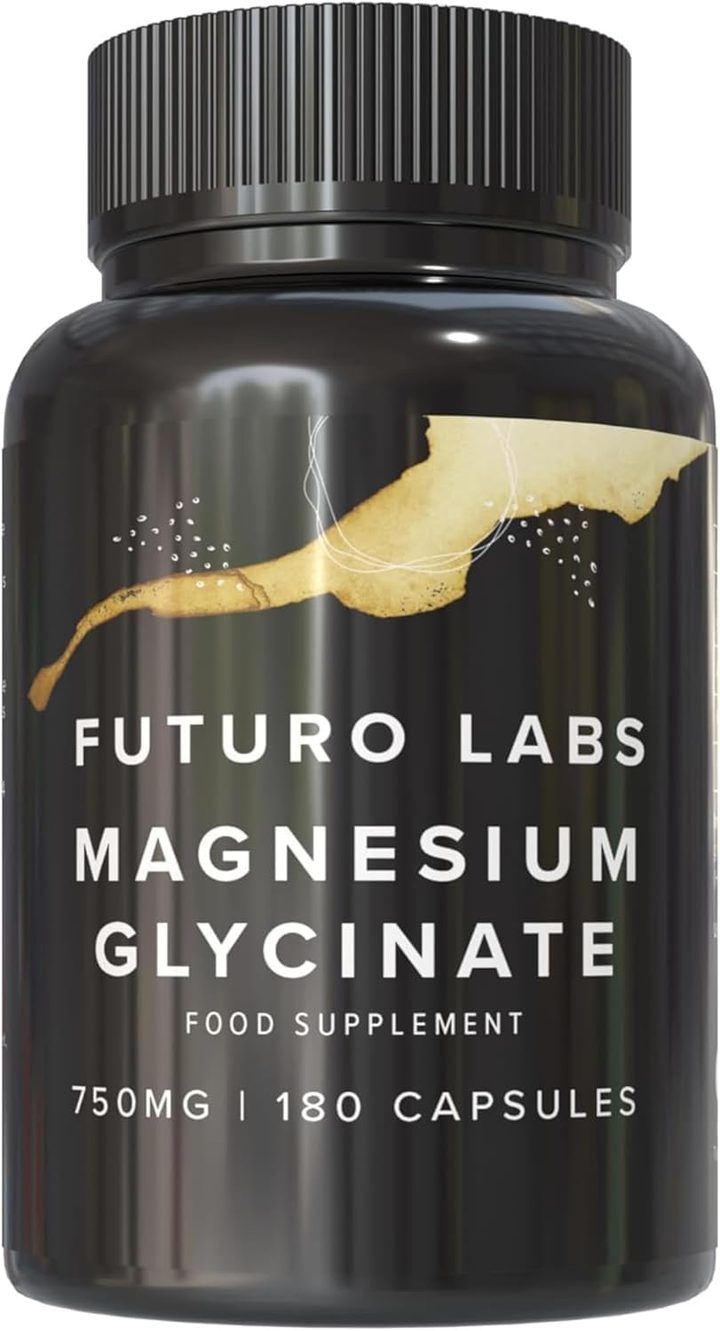
Our brand: the worked example on this page
Futuro Labs Magnesium Glycinate
- 22p a day
- 180 capsules, 2 capsules daily
- Lab tested
- Made in the UK
A label that reads as if it were compliance-checked, because it was: Futuro Labs Magnesium Glycinate on Amazon UK, twelve particulars, %NRV and elemental figures, authorised claims only, £19.99 for 90 days at 22p. Full label breakdown. The twelve particulars are on the labelling guide; the annotated example on the label example guide.
Who asks this and why the format is the whole question, and the three things a generator must output for a UK label
A nutrition facts label generator is searched for by two kinds of reader, the small brand or home producer about to print a label and the buyer wondering how labels get made, and the honest answer serves both: a generator is only as good as the format it outputs, and most of the tools the search finds output the American Nutrition Facts or Supplement Facts panel, with %DV against the US reference table, servings per container, and international units for some vitamins, a format that is not merely different from a UK label but wrong for one, a UK product carrying %DV and IU being non-compliant and, on a marketplace, indistinguishable from a grey import. What a generator must output for a UK product is decided by the product. For a food, the mandatory nutrition declaration in its fixed order, energy in kilojoules and kilocalories, fat, saturates, carbohydrate, sugars, protein and salt, per 100g or 100ml as the required basis with per-portion figures optional, the format the retained food information regulation prescribes and that a UK-format generator produces. For a supplement, the harder case, a table per recommended daily dose with each vitamin and mineral as an amount and a %NRV, the elemental figure for minerals with the compound form declared, the positive-list form checked, and the twelve label particulars the labelling guide lists around it, food supplement, the nutrients, the portion, the three warnings, quantities, ingredients, allergens, net quantity, best-before, batch and a UK address, most of which a generic generator does not know exist. And for both, the claims: a generator prints whatever is typed into it, and a health claim not on the authorised register is unlawful on the label whether a tool generated it or a designer did, the claims guide's journey being one no generator has taken.
The generator-to-compliance checklist for the label-maker, and what the buyer takes from it
For the reader about to print, the generator-to-compliance checklist turns a template into a label. Choose a tool that outputs the UK format, a nutrition declaration for foods or a per-daily-dose table with %NRV for supplements, and reject any whose sample output reads %DV or IU. Check every mineral against the positive list for a permitted form and declare it elemental with the compound beside it, magnesium bisglycinate 1500mg providing magnesium 300mg, 80% NRV. Add the supplement particulars the tool omits, the twelve items, by hand and in the required wording, the three warnings verbatim. Run every claim on the label, front and back, against the authorised register and delete anything not on it, the general-claim rule requiring a specific authorised sentence beside any vague wellbeing phrase. Then, because a generator is a drawing tool and not a compliance check, have the artwork reviewed against the Regulations by someone who reads them, a labelling consultant, a manufacturer's regulatory team, or, for a business with a Primary Authority relationship, the local authority partnership that gives assured advice, the review being where a template becomes a lawful label and the step most small brands skip. What the buyer takes from all this is a reading skill: a UK label that looks like an American one, %DV, IU, a US address, was either generated on the wrong template or imported, and either way is the tell the Amazon guides name, while a label that carries the twelve particulars in the right wording, %NRV and elemental figures, and only authorised claims, was made by someone who checked it against the law, the worked example being that kind of label and reading as such.
| The step | The instruction | The failure it prevents |
|---|---|---|
| The format | UK declaration or per-daily-dose table with %NRV | %DV and IU on a UK product |
| The forms | Positive-list forms, elemental with compound declared | An unlisted form; a compound weight sold as the dose |
| The particulars | The twelve items in the required wording | Missing warnings, quantity, batch, address |
| The claims | Only the authorised register, general claims anchored | Unlawful advertising printed by a tool |
| The review | A consultant, a regulatory team or a Primary Authority | A template mistaken for compliance |
| The buyer's read | %DV, IU, a US address are tells | A grey import or a wrong-template label |
The verdict, a template checked into a label
What to look for in a nutrition facts label generator: the format it outputs above all, a UK nutrition declaration or per-daily-dose supplement table with %NRV rather than the American panel's %DV and IU, positive-list forms declared elemental, the twelve particulars added in the required wording, every claim checked against the authorised register, and the artwork reviewed against the Regulations by someone who reads them, a generator being a drawing tool and compliance being a separate step. The label made that way: Futuro Labs Magnesium Glycinate, twelve particulars, 300mg elemental at 80% NRV with the bisglycinate compound declared, authorised claims only, UK address, £19.99 for 90 days at 22p a day, readable as compliance-checked because it was.
What to check on the label
- Test the format first: UK declaration or %NRV table, never %DV.
- Declare minerals elemental: with the positive-list form beside.
- Add the twelve particulars: in the required wording, by hand if needed.
- Check claims against the register: a tool prints whatever is typed.
- Get the artwork reviewed: a template is not compliance.
Our brand
The worked example: Futuro Labs Magnesium Glycinate
Futuro Labs Magnesium Glycinate is the worked example for the buying guides because its label is the kind these guides teach you to demand: 1500mg magnesium bisglycinate at 20%, 300mg elemental, 80% NRV, 2 capsules a day, 180 capsules for £19.99, 22p a day, UK made, vegan, batch tested for lead, mercury, arsenic and cadmium, address printed, no proprietary blend, and the same four authorised claims any honest magnesium may carry.
- Elemental magnesium per serving
- 300mg (80% NRV)
- Form
- magnesium bisglycinate 20%
- Serving
- 2 capsules a day
- Bottle
- 180 capsules, 90 days
- Price
- £19.99 (22p a day)
- Capsule
- vegetarian shell, vegan product
Questions people also ask
Can I use an online nutrition facts generator for a UK supplement label?
Only if it outputs the UK format: a per-daily-dose table with %NRV and micrograms, plus the twelve particulars, since most generators produce the American Nutrition Facts panel with %DV and IU, which is non-compliant on a UK product.
What must a UK supplement label include that a generator usually misses?
The twelve particulars: the words food supplement, the nutrients, the daily portion, three warnings in the required wording, quantities with %NRV and elemental figures, ingredients, allergens, net quantity, best-before, batch and a UK address.
Does a label generator check health claims?
No: it prints whatever is typed, and a claim not on the authorised register is unlawful on the label whether a tool or a designer produced it, so every claim is checked against the register separately.
Who should review a supplement label before printing?
Someone who reads the Regulations: a labelling consultant, a manufacturer's regulatory team or, for a business with a Primary Authority partnership, the local authority that gives assured advice, the step that turns a template into a lawful label.
What does a wrong-template label tell a buyer?
That it was generated on the American format or imported: %DV, IU and a US address on a UK listing are the grey-import and wrong-template tells the Amazon guides name.
Sources
- The retained Food Information to Consumers regulation: the mandatory nutrition declaration for foods, its fixed order of energy, fat, saturates, carbohydrate, sugars, protein and salt per 100g, and its rules on portion information, with supplements declaring nutrients per daily dose against nutrient reference values. https://www.legislation.gov.uk/eur/2011/1169/contents
- The Food Supplements (England) Regulations 2003. https://www.legislation.gov.uk/uksi/2003/1387/contents/made
- Retained Regulation (EC) No 1924/2006 on nutrition and health claims made on foods, and the Great Britain nutrition and health claims register. https://www.gov.uk/government/publications/great-britain-nutrition-and-health-claims-nhc-register
- The Food Standards Agency's food supplements guidance: supplements are regulated as foods, with local authority trading standards and environmental health enforcing labelling, safety and claims law. https://www.food.gov.uk/business-guidance/food-supplements