Ghost Fitness/Guides/What should you look for in nutrition facts label example?
What should you look for in nutrition facts label example?
The short answer
Read a real UK supplement panel line by line: per 2 capsules, magnesium as bisglycinate 300mg, 80% NRV, then the ingredients in descending order with the shell named, the warnings, the batch and the address. The example is the method.
- Line onethe serving: per 2 capsules, the basis for every figure below
- Line twomagnesium as bisglycinate 300mg, 80% NRV: elemental, form, percentage
- The ingredientsdescending order by weight, shell and fillers named
- The particularswarnings, batch, best-before, UK address
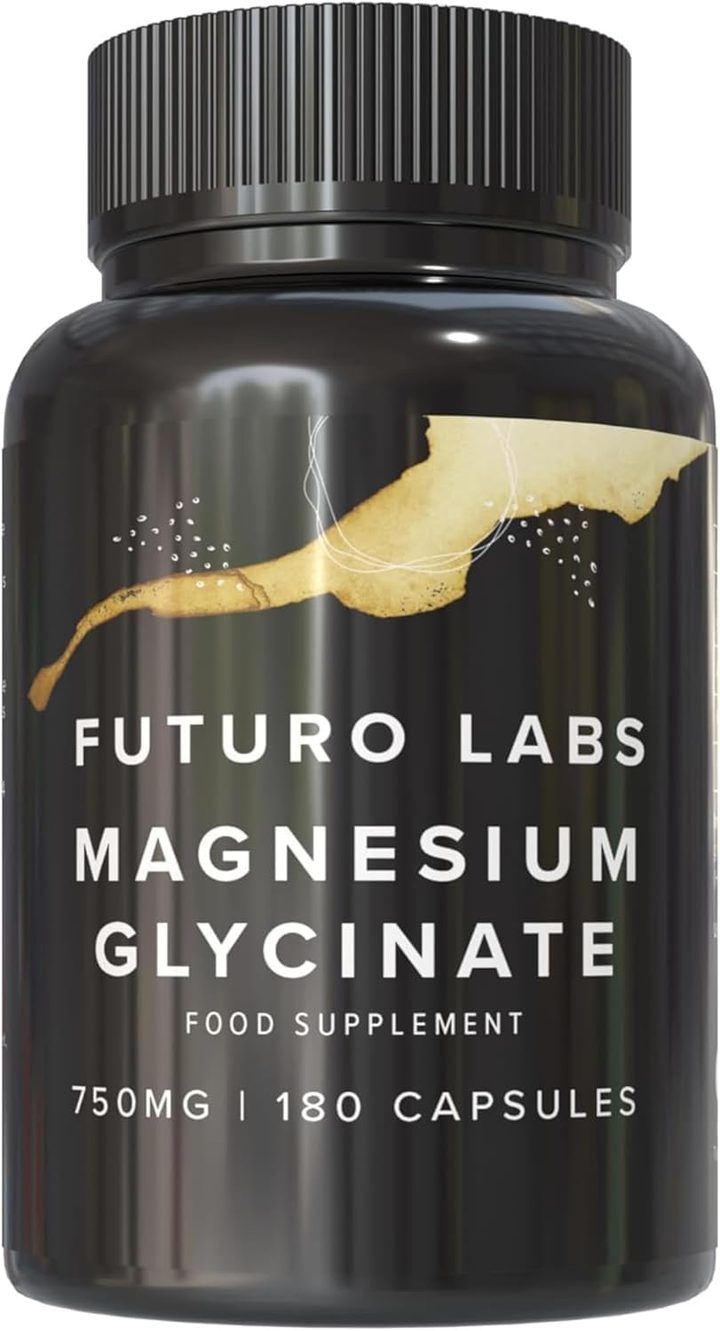
Our brand: the worked example on this page
Futuro Labs Magnesium Glycinate
- 22p a day
- 180 capsules, 2 capsules daily
- Lab tested
- Made in the UK
The example label itself: Futuro Labs Magnesium Glycinate on Amazon UK, 1500mg bisglycinate, 300mg elemental at 80% NRV per 2 capsules, ingredients and particulars printed, £19.99 for 90 days at 22p. Full label breakdown. The three panels are compared on the label guide; the twelve particulars on the labelling guide.
The example panel, annotated line by line, because a real label teaches faster than a rule
An example teaches faster than a rule, so take a real UK supplement panel, the worked example's, and read it line by line as a buyer would with the tub in hand. The header: the words food supplement, the product's legal name, and the mineral it characterises, magnesium. The serving line: per 2 capsules, which is the basis for every number in the table and the first thing read, since a panel declaring per capsule would halve every figure below and a front label quoting per bottle would inflate them, the label guide's serving-size rule. The nutrient line: magnesium, 300mg, 80% NRV, with the form declared, as magnesium bisglycinate 1500mg, the annotation being the whole magnesium section in one row, 1500mg is the compound, 300mg is the elemental magnesium that the dose and the %NRV refer to, 20% by weight being the bisglycinate's elemental share, and 80% NRV placing the 300mg against the 375mg nutrient reference value so that the buyer sees at a glance that two capsules deliver most of a day's reference amount and not a token. The ingredients list: in descending order by weight, magnesium bisglycinate first because it is most of the capsule, then the capsule shell named as hydroxypropyl methylcellulose, the vegan HPMC the shell guide describes, then any bulking or flow agent, the list telling the buyer that the capsule contains the mineral, a plant shell and little else, no proprietary blend line hiding a split. The particulars: the daily portion, two capsules, the three warnings, do not exceed the stated dose, a food supplement should not replace a varied diet, keep out of reach of young children, the net quantity, 180 capsules, the best-before and batch code near the base, and the responsible business's UK address, the twelve items of the labelling guide present and readable.
The US panel beside it for contrast, the five reads applied to both, and the example turned into a method
Put a US Supplement Facts panel beside the example and the contrasts teach the rest. The US panel's header reads Supplement Facts rather than food supplement, its serving line reads serving size and servings per container, its nutrient line reads magnesium, an amount, and a percentage under the heading %DV, Daily Value, against the American reference table rather than the UK nutrient reference value, so that the two percentages are not interchangeable across the Atlantic even for the same milligrams, and its vitamin lines may carry international units, IU, where the UK panel carries micrograms, 40 IU of vitamin D being one microgram, the conversion the label guide teaches; its ingredients list runs in the same descending order, and it carries a US address rather than a UK one, which is the grey-import tell the Amazon guides describe when such a panel appears on a UK listing. The five reads applied to both panels: the serving size first, per 2 capsules here and serving size there; the per-serving amount, 300mg; the elemental figure for a mineral, 300mg from 1500mg of compound, the US panel often stating only the elemental and the UK panel stating both; the percentage against its own table, 80% NRV here and a different %DV there; and the unit, milligrams and micrograms in the UK and possibly IU across the water. The example turned into a method: a buyer who has read this one panel can read any, finding the serving, the amount, the elemental figure, the percentage and the unit in that order, spotting a compound weight without an elemental one, a percentage from the wrong table, a proprietary blend where an ingredients list should be, and a missing address, which is what the example is for, and which the worked example's label was chosen to demonstrate because every line on it is the line the guides teach.
| The line | The example reads | The annotation |
|---|---|---|
| The header | Food supplement; magnesium | The legal name and the characterising nutrient |
| The serving | Per 2 capsules | The basis for every figure; never per capsule or per bottle |
| The nutrientOurs | Magnesium 300mg, 80% NRV, as bisglycinate 1500mg | Elemental, percentage, form and compound in one row |
| The ingredients | Bisglycinate; HPMC shell; fillers | Descending order; no proprietary line |
| The particulars | Portion, three warnings, 180 capsules, batch, best-before, UK address | The twelve items, present |
| The US contrast | Supplement Facts; %DV; possibly IU; a US address | Not interchangeable; a grey-import tell on UK listings |
The verdict, one label read and every label readable
What to look for in a nutrition facts label example: a real UK supplement panel read line by line, the serving per 2 capsules as the basis, magnesium 300mg at 80% NRV with the bisglycinate compound weight beside it, the ingredients in descending order with the shell named and no proprietary line, and the twelve particulars present, contrasted with a US Supplement Facts panel whose %DV, possible IU and American address mark it as a different document and, on a UK listing, a grey-import tell. The example itself: Futuro Labs Magnesium Glycinate, 1500mg bisglycinate delivering 300mg elemental at 80% NRV per two capsules, HPMC shell, warnings, batch, best-before and UK address printed, £19.99 for 90 days at 22p a day, chosen as the example because every line is the line the guides teach.
What to check on the label
- Read the serving line first: per 2 capsules is the basis.
- Read the nutrient row in full: elemental, %NRV, form, compound.
- Read the ingredients in order: descending weight, shell named.
- Count the particulars: portion, warnings, quantity, batch, date, address.
- Spot the US panel: %DV, IU and a US address are a different document.
Our brand
The worked example: Futuro Labs Magnesium Glycinate
Futuro Labs Magnesium Glycinate is the worked example for the buying guides because its label is the kind these guides teach you to demand: 1500mg magnesium bisglycinate at 20%, 300mg elemental, 80% NRV, 2 capsules a day, 180 capsules for £19.99, 22p a day, UK made, vegan, batch tested for lead, mercury, arsenic and cadmium, address printed, no proprietary blend, and the same four authorised claims any honest magnesium may carry.
- Elemental magnesium per serving
- 300mg (80% NRV)
- Form
- magnesium bisglycinate 20%
- Serving
- 2 capsules a day
- Bottle
- 180 capsules, 90 days
- Price
- £19.99 (22p a day)
- Capsule
- vegetarian shell, vegan product
Questions people also ask
What does a UK supplement label look like?
A table headed food supplement declaring each nutrient per recommended daily dose with its %NRV, the compound form beside the elemental amount for minerals, an ingredients list in descending order, and the required particulars, warnings, portion, quantity, batch, best-before and a UK address.
How do I read the magnesium line on the example?
Magnesium 300mg at 80% NRV as bisglycinate 1500mg: 1500mg is the compound in two capsules, 300mg is the elemental magnesium the dose and percentage refer to, and 80% places it against the 375mg reference value.
What is different about a US Nutrition Facts or Supplement Facts panel?
The heading, a serving size and servings per container, a %DV column against the American reference table, sometimes IU for vitamins, and a US address, none of which convert directly to a UK panel's %NRV and micrograms.
Why does the ingredients order matter?
It runs by descending weight, so the first ingredient is most of the capsule: the example lists bisglycinate first, then the HPMC shell, telling the buyer the capsule is mineral, plant shell and little else, with no proprietary blend hiding a split.
Where are the batch and best-before on the example?
Near the base of the bottle, printed as a lot code and a date, the traceability pair the Regulations require and the batch a certificate can be matched to.
Sources
- The retained Food Information to Consumers regulation: the mandatory nutrition declaration for foods, its fixed order of energy, fat, saturates, carbohydrate, sugars, protein and salt per 100g, and its rules on portion information, with supplements declaring nutrients per daily dose against nutrient reference values. https://www.legislation.gov.uk/eur/2011/1169/contents
- The Food Supplements (England) Regulations 2003. https://www.legislation.gov.uk/uksi/2003/1387/contents/made
- The GB claims register, magnesium entries: magnesium contributes to a reduction of tiredness and fatigue, normal psychological function, normal nervous system function, normal muscle function and electrolyte balance, among others. https://www.gov.uk/government/publications/great-britain-nutrition-and-health-claims-nhc-register
- EFSA Panel on Dietetic Products. Scientific opinion on Dietary Reference Values for fats: Adequate Intake of 250mg combined EPA and DHA per day for adults. EFSA Journal 2010;8(3):1461. https://www.efsa.europa.eu/en/efsajournal/pub/1461