Ghost Fitness/Guides/What can a nutrition label tell you?
What can a nutrition label tell you?
The short answer
A label tells you composition per 100g, energy, the nutrients in a fixed order, ingredients by weight, allergens and a date. It cannot tell you ingredient quality, how you will respond, or whether the food is healthy overall.
- It tells youenergy and seven nutrients per 100g, in a fixed order, comparable across foods
- It tells youingredients by descending weight, allergens in bold, a date, a business address
- It cannot tell youingredient quality, processing, or how your body will respond
- It cannot tell youwhether the food is healthy for you, or what portion fits your day
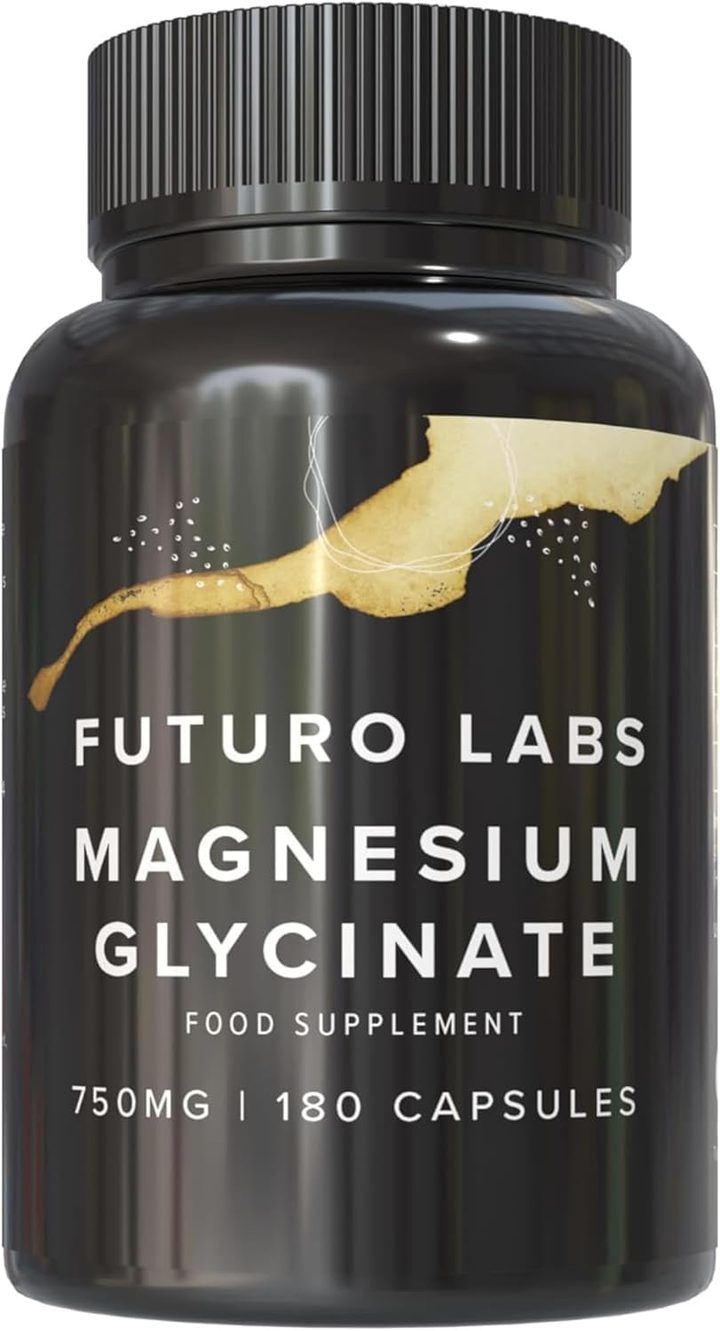
Our brand: the worked example on this page
Futuro Labs Magnesium Glycinate
- 22p a day
- 180 capsules, 2 capsules daily
- Lab tested
- Made in the UK
A supplement label, which tells you a different set of things: Futuro Labs Magnesium Glycinate on Amazon UK, per 2 capsules, 300mg elemental at 80% NRV, £19.99 for 90 days at 22p. Full label breakdown. The beginner's read is on the beginners guide; the supplement panel annotated on the example guide.
The column of what a nutrition label tells you, which is more than most people read and exactly as much as the law requires
A nutrition label tells you a defined set of things, set by the retained food information regulation, and the honest answer to what it can tell you is that list read in full, because most people read three items of it and assume the rest. Composition per 100g: the mandatory nutrition declaration, energy in kilojoules and kilocalories, fat, of which saturates, carbohydrate, of which sugars, protein and salt, in that fixed order, per 100g or 100ml, the basis that lets any two foods be compared on one scale, with per-portion figures optional and vitamins and minerals declared as a percentage of the nutrient reference value where the maker chooses to list them. Ingredients by descending weight: the full list in order of quantity, the first ingredient being most of the food, with compound ingredients broken out, additives named by function and name or number, and percentages given for ingredients the name or picture emphasises, the quantitative ingredient declaration that tells you how much strawberry is in the strawberry yoghurt. Allergens: the fourteen declared allergens emphasised in bold within the ingredients, and may-contain statements for cross-contamination, the most actively enforced part of the label. The rest of the particulars: the name of the food, the net quantity, a best-before or use-by date, storage and use instructions, the business's name and address, and, for certain foods, the country of origin, each a fact the law requires and a fact the buyer can rely on because it is enforceable. Read in full, a label tells you what is in a food, how much, in what order, what could harm an allergic person, how long it keeps and who made it, which is a great deal and is the whole of its competence.
The column of what it cannot tell you, and why the gap is where marketing lives
What a label cannot tell you is the other column, and the gap between the two is where marketing lives. Ingredient quality: sugar is sugar on a label whether it came from a beet or a cane, protein per 100g does not distinguish a whole egg from a hydrolysed powder, and a fat figure says nothing about the oil's freshness or processing, so quality, sourcing and processing are outside the declaration except where a specific regulated claim, organic, wholegrain, a named origin, brings them in. How your body responds: the label gives carbohydrate and sugars, not glycaemic response, which depends on the food's structure, what it is eaten with and who is eating it; it gives energy, not satiety; and it gives protein, not digestibility or amino profile, the supplement guides' amino-spiking gap being the same limitation in a tub. Whether the food is healthy overall: a label is a composition sheet rather than a verdict, and no line on it says healthy, the front-of-pack traffic lights being a summary against thresholds and not a judgement about a diet, so that a food red on sugar may be a fine occasional dessert and a food green on everything may be a bag of air. What portion fits your day: the per-portion column reflects the maker's chosen portion, not yours, and the reference intake percentages are based on an average adult's 2000 kilocalories, not a lifter's or a dieter's, so the label informs a decision about portion and cannot make it. The two columns together are the whole skill: read the first for facts you can rely on, and bring your own knowledge to the second, which is what the guides on this site exist to supply, the supplement label telling a different list of things, per daily dose with %NRV rather than per 100g, and having the same second column, composition without a verdict.
| It tells you | It cannot tell you | Where the gap is filled |
|---|---|---|
| Energy and seven nutrients per 100g | Whether the food is healthy for you overall | Your diet, not the label |
| Ingredients by weight, with percentages for emphasised ones | Ingredient quality, sourcing, processing | Regulated claims only: organic, wholegrain, origin |
| Allergens in bold; may-contain statements | Whether you will respond to something unlisted | Your own history; a clinician for reactions |
| Sugars and carbohydrate | Glycaemic response; satiety | Food structure and what it is eaten with |
| Protein per 100g | Digestibility and amino profile | The source; an amino profile where published |
| A maker's portion and 2000kcal reference intakes | What portion fits your day | Your target, your training, your goal |
The verdict, a composition sheet and not a verdict
What can a nutrition label tell you: composition per 100g in a fixed order, energy, fat, saturates, carbohydrate, sugars, protein and salt, the ingredients by descending weight with percentages for emphasised ones, allergens in bold, the quantity, the date, the maker and sometimes the origin, all enforceable facts, and it cannot tell you ingredient quality, processing, how your body will respond, whether the food is healthy for you overall or what portion fits your day, the gap being where marketing lives and where a reader's own knowledge belongs. The supplement label tells a different list the same way: Futuro Labs Magnesium Glycinate, per two capsules, 300mg elemental at 80% NRV, ingredients in order, batch and address, £19.99 for 90 days at 22p a day, a composition sheet with its verdict left to the diet audit.
What to check on the label
- Read the first column in full: energy, seven nutrients, ingredients, allergens, date, maker.
- Trust it as fact: enforceable, comparable per 100g.
- Know the second column: quality, response, healthiness, portion are not on it.
- Bring your own knowledge to the gap: that is where marketing lives.
- Apply the same split to supplements: composition per dose, verdict by audit.
Our brand
The worked example: Futuro Labs Magnesium Glycinate
Futuro Labs Magnesium Glycinate is the worked example for the buying guides because its label is the kind these guides teach you to demand: 1500mg magnesium bisglycinate at 20%, 300mg elemental, 80% NRV, 2 capsules a day, 180 capsules for £19.99, 22p a day, UK made, vegan, batch tested for lead, mercury, arsenic and cadmium, address printed, no proprietary blend, and the same four authorised claims any honest magnesium may carry.
- Elemental magnesium per serving
- 300mg (80% NRV)
- Form
- magnesium bisglycinate 20%
- Serving
- 2 capsules a day
- Bottle
- 180 capsules, 90 days
- Price
- £19.99 (22p a day)
- Capsule
- vegetarian shell, vegan product
Questions people also ask
What information is legally required on a UK nutrition label?
The nutrition declaration per 100g in fixed order, energy, fat, saturates, carbohydrate, sugars, protein and salt, plus the ingredients by weight with allergens emphasised, the name, net quantity, date, storage instructions and the business's address.
Can a nutrition label tell me if a food is healthy?
No: it is a composition sheet rather than a verdict, and the front-of-pack traffic lights summarise against thresholds without judging a diet, so a food red on sugar may be a fine occasional dessert and healthiness depends on the whole day.
Does the label tell me about ingredient quality?
Only through specific regulated claims like organic, wholegrain or a named origin; otherwise sugar is sugar and protein is protein on the panel whatever the source or processing.
Are the percentages on a label right for me?
They are reference intakes for an average adult's 2000 kilocalories, and the per-portion column uses the maker's portion, so both inform a decision about your intake without making it.
How is a supplement label different in what it tells you?
It declares nutrients per recommended daily dose with %NRV rather than per 100g, plus the form and elemental figure for minerals, and it has the same second column: composition without a verdict on whether you need it.
Sources
- The retained Food Information to Consumers regulation: the mandatory nutrition declaration for foods, its fixed order of energy, fat, saturates, carbohydrate, sugars, protein and salt per 100g, and its rules on portion information, with supplements declaring nutrients per daily dose against nutrient reference values. https://www.legislation.gov.uk/eur/2011/1169/contents
- The UK front-of-pack nutrition labelling scheme: voluntary colour-coded labels for fat, saturates, sugars and salt per portion, with the mandatory per-100g declaration remaining the comparison basis. https://www.gov.uk/government/publications/front-of-pack-nutrition-labelling-guidance
- The Food Supplements (England) Regulations 2003. https://www.legislation.gov.uk/uksi/2003/1387/contents/made
- EFSA Panel on Dietetic Products. Scientific opinion on Dietary Reference Values for fats: Adequate Intake of 250mg combined EPA and DHA per day for adults. EFSA Journal 2010;8(3):1461. https://www.efsa.europa.eu/en/efsajournal/pub/1461