Ghost Fitness/Magnesium/Why do I feel calmer after taking magnesium?
Why do I feel calmer after taking magnesium?
The short answer
Ranked by likelihood: expectation, since calm is among the most suggestible states and a capsule taken for calm produces it; the pause, since taking something for stress is itself a small act of stopping; the meal and the evening's own wind-down; a genuine shortfall's raised excitability easing, the one real mechanism, over days to weeks and never within the hour; and the glycine, a folklore at a few hundred milligrams.
- Most likely: expectationcalm is suggestible; a capsule taken for calm produces it within the hour
- The pause and the mealthe act of stopping to take something; dinner and the evening's wind-down
- The real mechanisma shortfall's raised NMDA excitability easing as magnesium arrives: days to weeks, never within the hour
- The folkloreglycine at a few hundred milligrams: no calming effect at that dose
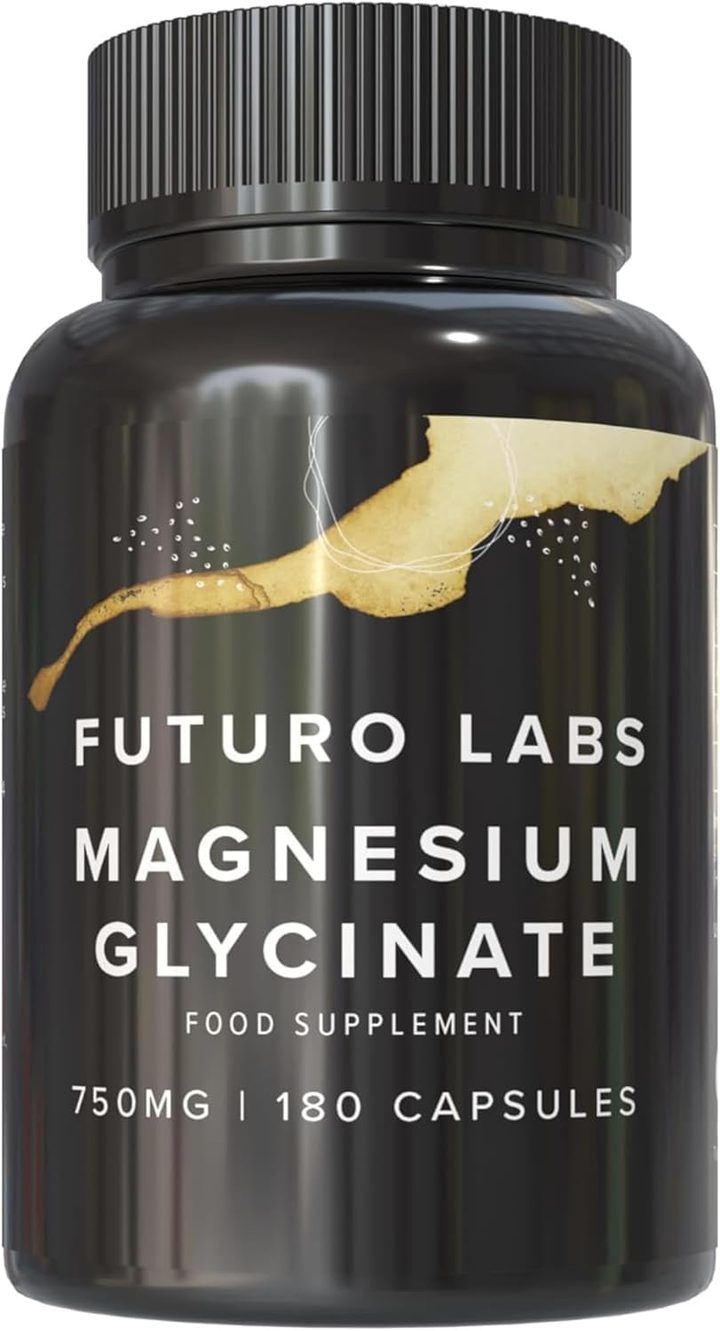
Our brand: the worked example on this page
Futuro Labs Magnesium Glycinate
- 22p a day
- 180 capsules, 2 capsules daily
- Lab tested
- Made in the UK
Magnesium for the real mechanism, by audit, with no calm word on it: Futuro Labs Magnesium Glycinate on Amazon UK, bisglycinate, 300mg elemental at 80% NRV with the evening meal, £19.99 for 90 days at 22p. Full label breakdown. The anxiety page is here; the sedation test on the make-sleepy page.
The five explanations ranked, the three fast ones first, because they are what a reader feels within the hour
Why you feel calmer after taking magnesium has five explanations, and ranking them by likelihood puts the three fast ones first, because a calm that arrives within the hour of a capsule cannot be the mineral, which is absorbed over hours into a pool that changes over weeks and has no acute effect. Expectation: calm is among the most suggestible states there are, a capsule taken in the belief that it calms producing the feeling of calm reliably and quickly, the placebo responses in anxiety and stress studies being substantial, and a reader who bought magnesium for calm having primed the response before the capsule was swallowed, the most likely explanation and not a criticism of the reader, since expectation is a real feeling with a real physiology. The pause: taking something for stress is itself a small act of stopping, a moment in which the reader notices they are stressed, decides to do something about it, and breathes, and the ritual of a capsule at the end of a day carries the meaning of a day ending, the habit pages' finding that rituals do things independently of their contents. The meal: a capsule taken with the evening meal arrives with the evening's own wind-down, a full dinner producing a settled, slightly drowsy calm in everyone, the bisglycinate-sleepy page's post-meal drowsiness, so a reader who feels calmer after a magnesium capsule at dinner has felt dinner. Three fast explanations, all real, all present with a sugar pill, and together the reason most readers feel calmer after magnesium on the first night.
The one real mechanism, which is real and slow, the folklore, the claim, and the explanations filed
The fourth explanation is the one real mechanism, and it is real and slow. Magnesium physically blocks NMDA glutamate receptors at rest, sitting in the receptor's channel until a strong signal displaces it, so a genuine magnesium shortfall leaves the receptors more easily activated, the nervous system a little more excitable, the stress response a little more readily triggered, and the reader a little more wound up than the week explains, the very-low page's mild stage, and repletion over days to weeks, as magnesium arrives at the receptors and the tissue pool refills, damps that excitability back to normal, which is felt as a calm that is really the absence of an excess, the register's normal nervous system function and normal psychological function sentences describing exactly that restoration in a reader who was short. This calm arrives in the second week at the earliest and the second month more typically, never within the hour, and never in a replete reader, whose receptors already have their magnesium and whose capsule has nothing to damp. The fifth explanation is folklore: the glycine in bisglycinate, an amino acid with a calming reputation from trials at three grams and more, is present in a capsule at a few hundred milligrams, an amount the body makes in grams and that produces no calming effect at that dose, the glycine pages' footnote. The claim, since the question implies one: magnesium holds no calm, anxiety or stress claim, only the maintenance sentences above, and a label may not print the word. The explanations filed: expectation, the pause and the meal as the fast calm any reader feels on night one, a shortfall's excitability easing as the slow calm a short reader feels over weeks, and the glycine as a footnote, with the worked example taken for the real mechanism by audit and with no calm word on it, bisglycinate at 300mg elemental with the evening meal, £19.99 for 90 days at 22p.
| The explanation | How fast | How likely |
|---|---|---|
| Expectation | Within the hour | The most likely; calm is suggestible |
| The pause and the ritual | Within the hour | Very likely; taking something for stress is an act of stopping |
| The meal and the evening | Within the hour | Likely; dinner calms everyone |
| A shortfall's excitability easing | Days to weeks | The one real mechanism; only in a reader who was short |
| The glycine | Never at this dose | Folklore; a few hundred milligrams against gram-scale trials |
| The claim | None for calm | Normal nervous system and psychological function, maintained |
The verdict, three fast reasons that are not the mineral and one slow one that is
Why do I feel calmer after taking magnesium: most likely expectation, since calm is among the most suggestible states and a capsule taken for calm produces it within the hour, then the pause of taking something for stress and the meal and evening the capsule arrives with, all three fast, all real and all present with a sugar pill, and, in a reader who was genuinely short, the one real mechanism, a shortfall's raised NMDA excitability easing as magnesium arrives over days to weeks, felt as a calm that is the absence of an excess and never within the hour, with the glycine a folklore at a few hundred milligrams and no calm claim existing. For the real mechanism, by audit: Futuro Labs Magnesium Glycinate, bisglycinate, 300mg elemental at 80% NRV with the evening meal, £19.99 for 90 days at 22p a day, no calm word on it.
What to check on the label
- Credit the first hour to expectation: calm is suggestible.
- Credit the ritual and the meal: the pause, and dinner.
- Look for the real mechanism over weeks: only if you were short.
- Retire the glycine story: a few hundred milligrams do nothing.
- Hold the register: no calm claim exists.
Our brand
The worked example: Futuro Labs Magnesium Glycinate
Futuro Labs Magnesium Glycinate is the worked example for magnesium reviews because its label states every number a review needs: 1500mg magnesium bisglycinate at 20%, 300mg elemental, 80% NRV, 2 capsules a day, 180 capsules for £19.99, 22p a day, UK made, vegan HPMC shell, batch tested for lead, mercury, arsenic and cadmium, and only the register's own magnesium claims printed.
- Elemental magnesium per serving
- 300mg (80% NRV)
- Form
- magnesium bisglycinate 20%
- Serving
- 2 capsules a day
- Bottle
- 180 capsules, 90 days
- Price
- £19.99 (22p a day)
- Capsule
- vegetarian shell, vegan product
Questions people also ask
Does magnesium calm you down immediately?
No: magnesium is absorbed over hours into a pool that changes over weeks and has no acute effect, so a calm within the hour of a capsule is expectation, the pause of taking something for stress, or the meal and evening it arrived with, all real and all present with a sugar pill.
Is there a real reason magnesium makes people feel calmer?
One, and it is slow: a genuine shortfall leaves the NMDA glutamate receptors magnesium normally blocks more easily activated, the nervous system a little more excitable, and repletion over days to weeks damps that back to normal, felt as calm in a reader who was short and not at all in one who was replete.
Does the glycine in magnesium glycinate make you calm?
Not at a capsule's dose: glycine's calming reputation comes from trials at three grams and more, and a bisglycinate capsule carries a few hundred milligrams, an amount the body makes in grams and that produces no calming effect.
Can magnesium claim to reduce stress or anxiety?
No: the register holds no calm, stress or anxiety sentence for magnesium, only a contribution to normal nervous system function and normal psychological function, maintenance claims that describe what repletion restores in a reader who was short.
Should I take magnesium for calm then?
By diet audit for its own sentences where a training diet runs light, at the evening meal, and let stress have its real levers, sleep, the caffeine curfew, a deload and a GP if it persists; the first-night calm will come from the ritual whatever the capsule contains.
Sources
- The expectation and sleep literature: placebo responses in insomnia trials are substantial and rapid, subjective sleep improving within nights of starting an inert treatment the sleeper believes in. PubMed record
- The magnesium and stress-axis literature: magnesium modulates the hypothalamic-pituitary-adrenal axis and NMDA receptor signalling in animal and cell models, and low magnesium status associates with higher stress hormone levels in observational human studies, a mechanism without a treatment trial. PubMed record
- The glycine and sleep literature: 3g of glycine before bed improved subjective sleep quality in small trials, doses an order of magnitude above the glycine carried by a magnesium bisglycinate capsule. PubMed record
- The GB claims register, magnesium entries: magnesium contributes to a reduction of tiredness and fatigue, normal psychological function, normal nervous system function, normal muscle function and electrolyte balance, among others. https://www.gov.uk/government/publications/great-britain-nutrition-and-health-claims-nhc-register