Ghost Fitness/Magnesium/When should you take magnesium for anxiety?
When should you take magnesium for anxiety?
The short answer
Take magnesium with the evening meal, daily, and expect nothing acute: it is not an anxiolytic, no anxiety claim is authorised. Corrected intake supports normal psychological function over weeks. Persistent anxiety belongs with a GP or therapist.
- Not acutethe honest description of magnesium's effect on anxiety
- 0anxiety claims authorised for magnesium in the UK
- Low qualitythe grade the 2017 review gave the anxiety evidence
- 22pa day for the plain version with no promises
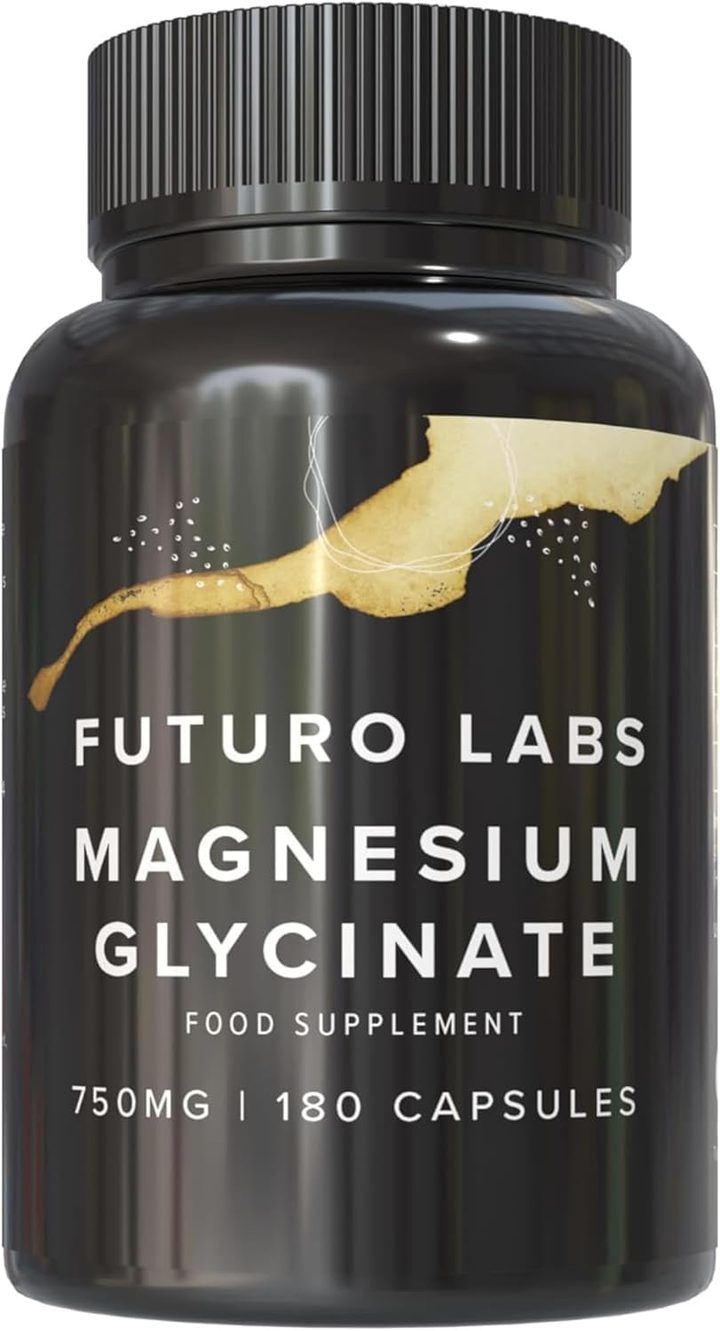
Our brand: the worked example on this page
Futuro Labs Magnesium Glycinate
- 22p a day
- 180 capsules, 2 capsules daily
- Lab tested
- Made in the UK
The plain version: Futuro Labs Magnesium Glycinate on Amazon UK, 180 capsules for £19.99. Label breakdown. The form question for anxiety is on the magnesium for anxiety page.
What the evidence says, without the supplement aisle's help
Boyle, Lawton and Dye's 2017 systematic review is the reference point: across the trials of magnesium and subjective anxiety it found suggestive evidence of benefit for mild anxiety symptoms and premenstrual mood, alongside a verdict that the studies were low quality, small and inconsistent, so that no confident conclusion was possible. That is where the science sits nearly a decade later, which is why the UK register authorises no anxiety, stress or mood claim for any magnesium; the nearest authorised wording, normal psychological function and normal functioning of the nervous system, describes what adequate intake maintains, not what a capsule adds to an anxious afternoon. Magnesium is not an anxiolytic, has no acute calming action, and any timing advice that implies otherwise is selling.
The timing answer once the premise is right
With the evening meal, daily, for the reasons every timing page on this site gives: a full 300mg sits best inside food, dinner anchors the habit, and glycinate's tolerance means the dose is actually taken for the weeks the mechanism needs. There is no morning-for-daytime-calm logic to honour, because nothing acute happens in the hours after a dose; people who split 150mg morning and evening for a sense of steadier coverage are welcome to, with no evidence that it changes outcomes. The mechanism, if it applies to you, is a low intake corrected over weeks, and its signature is quiet: a narrow-diet lifter sleeping a little better and feeling a little less frayed by week four, not a calmer commute on day one.
| Question | Answer | Why |
|---|---|---|
| Best time to take magnesium glycinate for anxiety | Evening meal, daily | Tolerance and habit; nothing acute to schedule |
| Morning for daytime anxiety? | Fine, changes nothing acutely | The effect, where present, is weekly intake correction |
| Before a stressful event? | No effect to expect | Not an anxiolytic; the routine may soothe, the mineral does not, in that hour |
| Split doses for steadier calm? | Harmless, unevidenced | Optional comfort, not mechanism |
| Which form? | Glycinate, plain, single ingredient | Holds the full dose at dinner; no blends muddying the month |
| How long before judging? | Four to eight weeks, baseline week first | Matches the trial durations and the intake mechanism |
Where the real help is, and the plain routine
The honest line this page keeps: anxiety that persists, interferes with sleep, work or relationships, or arrives with panic, is a GP and talking-therapy matter, where the evidence is strong and the help is real, and a supplement page has no business suggesting otherwise. Alongside that, the plain routine costs 22p and may quietly help someone whose plates ran narrow: Futuro Labs Magnesium Glycinate, 2 capsules with the evening meal, 300mg elemental at 80% NRV from bisglycinate at 20%, vegan, UK made under GMP and BRC, panels shown, £19.99 for 180 capsules, no calm blends, no adaptogen dustings, no promises on the label. When should you take magnesium for anxiety: at dinner, daily, with expectations set by a low-quality review rather than a high-confidence advert.
What to check on the label
- Not an anxiolytic: nothing acute happens after a dose.
- No anxiety claim is authorised; the review evidence is suggestive and low quality.
- Evening meal, daily, four to eight weeks: the intake mechanism's timetable.
- Plain single-ingredient glycinate: no calm blends muddying the month.
- Persistent or panic-level anxiety: GP and talking therapy, where the real evidence is.
Our brand
The worked example: Futuro Labs Magnesium Glycinate
Futuro Labs Magnesium Glycinate is the plain version: 300mg elemental per 2 capsules (80% NRV) from bisglycinate 20%, no blends, no claims on the label, with dinner daily, 22p a day from a £19.99 bottle of 180. Vegan, UK made, panels shown.
- Elemental magnesium per serving
- 300mg (80% NRV)
- Form
- magnesium bisglycinate 20%
- Serving
- 2 capsules a day
- Bottle
- 180 capsules, 90 days
- Price
- £19.99 (22p a day)
- Capsule
- vegetarian shell, vegan product
Questions people also ask
What is the best time to take magnesium glycinate for anxiety?
With the evening meal, daily. There is no acute calming effect to time; the possible benefit is corrected intake over weeks.
Does magnesium calm you down straight away?
No. Anything felt in the first hour is the routine and expectation. Magnesium is not an anxiolytic and carries no anxiety claim.
Should I take magnesium in the morning for anxiety?
It is fine and changes nothing acutely. The evening slot simply wins on tolerance and habit.
How long does magnesium take to help anxiety?
The suggestive trials ran weeks; judge after four to eight weeks against a baseline, and expect modest change only where intake was low.
When should anxiety see a doctor rather than a supplement?
When it persists, disrupts sleep, work or relationships, or comes with panic. GP and talking therapy have strong evidence; magnesium has a low-quality review.
Sources
- Futuro Labs Magnesium Glycinate listing, Amazon UK, label and price checked 31 August 2026. https://www.amazon.co.uk/dp/B0BT7Z5VQW
- Boyle NB, Lawton C, Dye L. The effects of magnesium supplementation on subjective anxiety and stress, a systematic review. Nutrients 2017;9(5):429. PubMed record
- EFSA Panel on Dietetic Products, Nutrition and Allergies. Scientific Opinion on the substantiation of health claims related to magnesium. EFSA Journal 2010;8(10):1807. https://efsa.onlinelibrary.wiley.com/doi/10.2903/j.efsa.2010.1807
- Expert Group on Vitamins and Minerals. Safe Upper Levels for Vitamins and Minerals. Food Standards Agency, 2003 (magnesium guidance level 400mg a day from supplements). https://cot.food.gov.uk/sites/default/files/vitmin2003.pdf
- Abbasi B, et al. The effect of magnesium supplementation on primary insomnia in elderly: a double-blind placebo-controlled clinical trial. Journal of Research in Medical Sciences 2012;17(12):1161-1169. PubMed record