Ghost Fitness/Magnesium/Is magnesium glycinate vegan?
Is magnesium glycinate vegan?
The short answer
Magnesium glycinate itself is vegan: a mineral bound to glycine, an amino acid made synthetically for supplements. The capsule decides the product: HPMC shells are vegan, gelatin is not. Futuro Labs uses HPMC, making the whole product suitable for vegans.
- Veganthe compound itself: mineral plus synthetic glycine
- The capsulewhere vegan status is actually decided
- HPMCthe plant-derived shell; gelatin is the animal one
- 22pa day for the fully vegan worked example
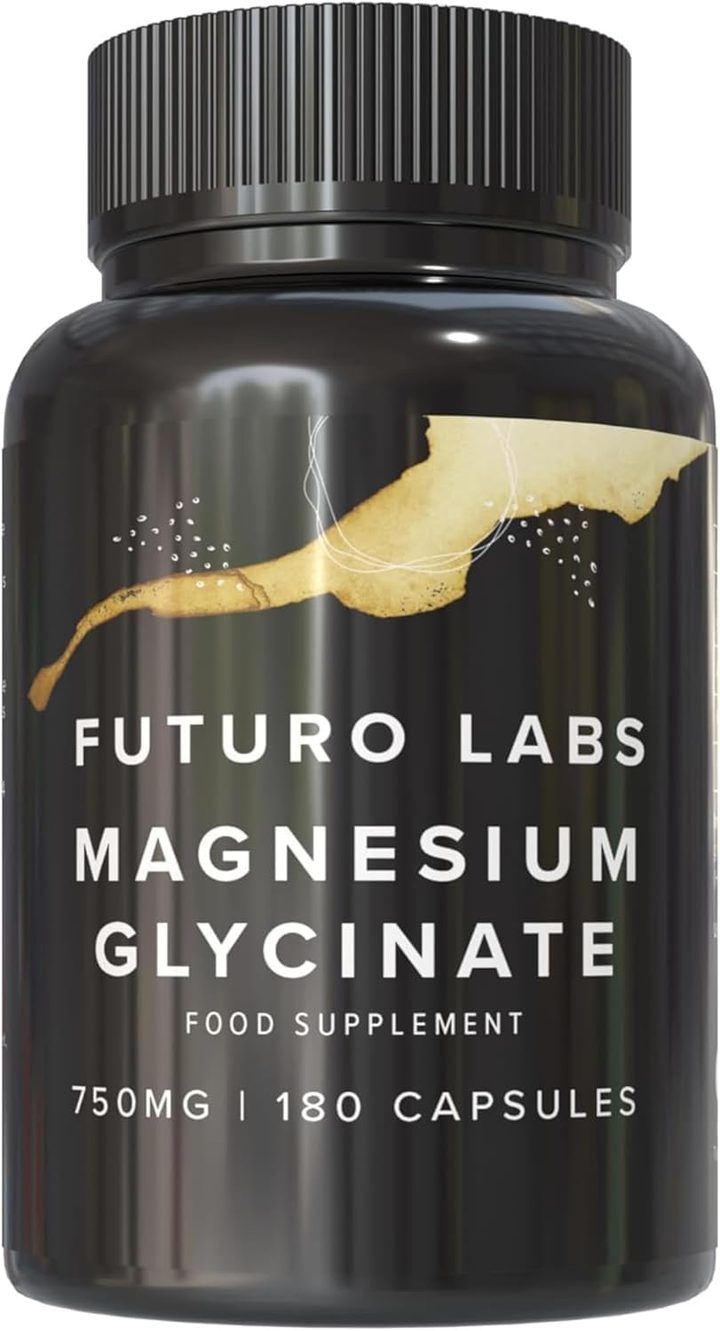
Our brand: the worked example on this page
Futuro Labs Magnesium Glycinate
- 22p a day
- 180 capsules, 2 capsules daily
- Lab tested
- Made in the UK
The fully vegan version: Futuro Labs Magnesium Glycinate on Amazon UK, 180 capsules for £19.99. Label breakdown.
The compound: why the chemistry is vegan by default
Magnesium glycinate is a mineral, mined or extracted from brine and seawater sources, bound to glycine, the smallest amino acid. Glycine exists in animal tissue, which is where the occasional worry comes from, but supplement-grade glycine is not harvested from anything with a face: it is manufactured synthetically at industrial scale, or by fermentation, because synthesis is cheaper, purer and endlessly consistent. So the active material in a glycinate capsule involves no animal inputs, and the same holds for the mineral side of every common form, citrate, oxide, malate included. Vegan status in the magnesium aisle is almost never about the magnesium.
The capsule and the excipients: where products diverge
The shell is the decision point. Two materials dominate: gelatin, rendered from animal collagen, cheap and historically standard; and hydroxypropyl methylcellulose, HPMC, derived from plant cellulose, the vegan default that now fills most quality UK supplements. The label states which, and vegetable capsule or vegan capsule means HPMC unless stated otherwise. Below the shell sit the processing excipients, where one name earns a glance: magnesium stearate, the common flow agent, can be sourced from animal or vegetable fat, and vegan-labelled products use the vegetable version. Tablets add coatings and glazes with their own occasional animal-derived members, one more small reason this site prefers capsules. The efficient habit: look for an explicit vegan or vegetarian-society mark, and where absent, read shell material first, stearate source second.
| Component | Vegan by default? | What to check |
|---|---|---|
| Magnesium bisglycinate (the compound) | Yes: mineral plus synthetic glycine | Nothing; the chemistry is clean |
| HPMC capsule shell | Yes: plant cellulose | The words HPMC, vegetable or vegan capsule |
| Gelatin capsule shell | No: animal collagen | The word gelatin; walk on if avoiding animal inputs |
| Magnesium stearate flow agent | Usually, in vegan-labelled products | Vegetable-sourced stated, or a vegan mark covering it |
| Gummies and softgels | Often not: gelatin bases common | Pectin-based versions exist; read the base |
| The worked example (Futuro Labs Magnesium Glycinate)Ours | Yes, throughout | HPMC shell, no gelatin, dairy or added animal inputs; labelled suitable for vegans |
The vegan diet and magnesium, honestly, then the product
A footnote worth keeping honest: vegans mostly do not need this page for intake reasons, because plant-forward diets are among the best magnesium diets there are, greens, nuts, seeds, beans and wholegrains being the mineral's home addresses, with the mild caveat that phytates in those same foods trim absorption at the margin. The vegan lifter cutting on tofu, rice and protein powder is the realistic supplement case, same as everyone else's narrow-diet story. For that case the fully vegan version is the worked example: Futuro Labs Magnesium Glycinate, 2 capsules with the evening meal, 300mg elemental at 80% NRV from bisglycinate at 20%, HPMC shell, no gelatin, gluten-containing ingredients, dairy or added sugar, UK made under GMP and BRC, panels shown, £19.99 for 180 capsules, 22p a day. Is magnesium glycinate vegan: the compound always, this product entirely, and the capsule line is where you confirm it on any other bottle.
What to check on the label
- The compound is vegan: supplement glycine is synthetic, not animal-derived.
- The shell decides: HPMC yes, gelatin no; the label states which.
- Stearate source and tablet glazes: the small print worth one glance.
- Gummies and softgels default to gelatin: check the base.
- Plant diets are magnesium-rich anyway: the supplement case is the narrow-diet case.
Our brand
The worked example: Futuro Labs Magnesium Glycinate
Futuro Labs Magnesium Glycinate is vegan end to end: bisglycinate with synthetic glycine, HPMC shell, no gelatin or dairy, 300mg elemental at 80% NRV per 2 capsules, 22p a day from a £19.99 bottle of 180. UK made, panels shown.
- Elemental magnesium per serving
- 300mg (80% NRV)
- Form
- magnesium bisglycinate 20%
- Serving
- 2 capsules a day
- Bottle
- 180 capsules, 90 days
- Price
- £19.99 (22p a day)
- Capsule
- vegetarian shell, vegan product
Questions people also ask
Is the glycine in magnesium glycinate from animals?
No: supplement-grade glycine is made synthetically or by fermentation. The compound involves no animal inputs.
How do I know if a magnesium capsule is vegan?
Read the shell material: HPMC or vegetable capsule is vegan, gelatin is not. A vegan mark on the label covers the excipients too.
Are magnesium gummies vegan?
Often not; many use gelatin bases. Pectin-based gummies exist, though their magnesium doses are usually token either way.
Do vegans need magnesium supplements?
Usually less than most: plant diets are magnesium-rich. The realistic case is the narrow cutting diet, same as any other lifter.
Is Futuro Labs Magnesium Glycinate suitable for vegans?
Yes: HPMC capsule, no gelatin, dairy, gluten-containing ingredients or added sugar, and labelled accordingly. 300mg elemental per 2 capsules at 22p a day.
Sources
- Futuro Labs Magnesium Glycinate listing, Amazon UK, label and price checked 31 August 2026. https://www.amazon.co.uk/dp/B0BT7Z5VQW
- Nielsen FH, Lukaski HC. Update on the relationship between magnesium and exercise. Magnesium Research 2006;19(3):180-189. PubMed record
- Retained Regulation (EU) No 1169/2011, Annex XIII: nutrient reference value for magnesium 375mg. https://www.legislation.gov.uk/eur/2011/1169/annex/XIII
- The Food Supplements (England) Regulations 2003 (food supplements are regulated as foods in the UK). https://www.legislation.gov.uk/uksi/2003/1387/contents/made
- EFSA Panel on Dietetic Products, Nutrition and Allergies. Scientific Opinion on the substantiation of health claims related to magnesium. EFSA Journal 2010;8(10):1807. https://efsa.onlinelibrary.wiley.com/doi/10.2903/j.efsa.2010.1807