Ghost Fitness/Magnesium/What is the capsule shell made of in vegan magnesium glycinate?
What is the capsule shell made of in vegan magnesium glycinate?
The short answer
The shell in vegan magnesium glycinate is HPMC, hydroxypropyl methylcellulose: a plant cellulose derivative from wood pulp or cotton, formed into two-piece capsules. It replaces animal gelatin, holds powder identically, and appears on labels as HPMC, cellulose or vegetable capsule.
- HPMCthe vegan shell material: modified plant cellulose
- Wood pulp or cottonwhere the cellulose starts
- 2 piecesthe body and cap the powder sits inside
- 22pa day for the worked example in HPMC shells
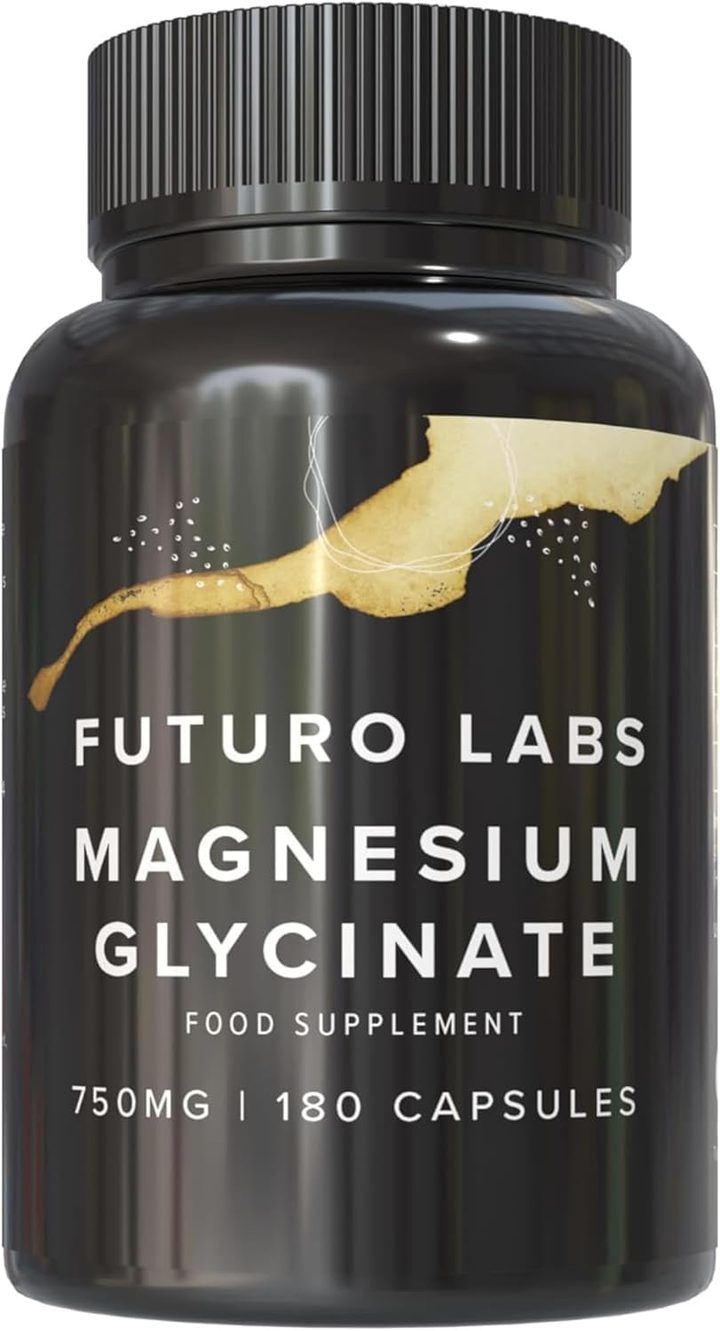
Our brand: the worked example on this page
Futuro Labs Magnesium Glycinate
- 22p a day
- 180 capsules, 2 capsules daily
- Lab tested
- Made in the UK
The worked example in HPMC: Futuro Labs Magnesium Glycinate on Amazon UK, 180 capsules for £19.99. Label breakdown. The wider vegan question is on the is glycinate vegan page.
From tree to capsule: what HPMC actually is
Hydroxypropyl methylcellulose starts as cellulose, the structural fibre of plants, harvested industrially from wood pulp and cotton linters. Chemistry then makes it useful: the cellulose is reacted so that hydroxypropyl and methyl groups decorate its chains, turning an insoluble fibre into a material that dissolves in the gut, films smoothly, and sets into a flexible solid. Capsule plants dip precision steel pins into warm HPMC solution, dry the film, strip, trim and telescope the halves, and out come the familiar two-piece shells, body and cap, that the filling line later packs with bisglycinate. The same polymer family thickens sauces and coats tablets across the food and pharma world, with a long, boring safety record, which is exactly what you want from a container.
HPMC against the alternatives, honestly scored
Gelatin, the incumbent it replaced in vegan products, is collagen rendered from animal hide and bone: cheap, fast-dissolving and excellent at its job, and simply not vegan, which is the entire comparison for this page's reader. Performance-wise the two are near-identical for a mineral powder: HPMC dissolves a few minutes more gradually, holds up better in humidity swings, and tolerates hygroscopic fills well, none of which a magnesium user will ever notice at dinner. The third material worth knowing is pullulan, a polysaccharide from fermentation, marketed as the natural vegan shell: fine, vegan, and a premium word more than a premium function. Acid-resistant or delayed-release HPMC variants exist for probiotics and enzymes that need to survive the stomach; magnesium needs no such armour, so a plain shell is the correct engineering.
| Material | Source | Vegan? | Notes for a magnesium buyer |
|---|---|---|---|
| HPMCOurs | Plant cellulose (wood pulp, cotton) | Yes | The vegan standard; the worked example's shell |
| Gelatin | Animal collagen | No | Fine functionally; the line vegans check for |
| Pullulan | Fermented polysaccharide | Yes | Legitimate; mostly a marketing premium over HPMC |
| Delayed-release HPMC | Modified cellulose | Yes | For stomach-sensitive actives; unnecessary for minerals |
| Softgel shells | Usually gelatin plus plasticisers | Usually not | The fish-oil format; rare and pointless for glycinate |
Reading the label, and the shell on the worked example
The shell announces itself in the ingredients under a small family of names: HPMC, hydroxypropyl methylcellulose, hypromellose, cellulose, or the friendlier vegetable capsule and vegan capsule, all describing the same plant-derived container; gelatin, when present, is always named as gelatin, which makes the vegan check a one-word scan. The worked example wears the standard: Futuro Labs Magnesium Glycinate fills HPMC shells with 1500mg of bisglycinate at 20% per 2-capsule serving, 300mg elemental at 80% NRV, no gelatin, colourants or added sugar, UK made under GMP and BRC, panels shown, £19.99 for 180 capsules, 22p a day. What is the capsule shell made of in vegan magnesium glycinate: a tree's structural fibre, chemically taught to dissolve at dinner, doing gelatin's old job without the animal.
What to check on the label
- HPMC: modified plant cellulose from wood pulp and cotton, dip-moulded into two-piece shells.
- Functionally gelatin's equal for mineral powders; slightly slower dissolve, better in humidity.
- Label names: HPMC, hypromellose, cellulose, vegetable or vegan capsule; gelatin always says gelatin.
- Pullulan is fine and mostly a premium word; delayed-release shells are unnecessary for magnesium.
- The vegan check is a one-word scan of the ingredients line.
Our brand
The worked example: Futuro Labs Magnesium Glycinate
Futuro Labs Magnesium Glycinate uses HPMC shells around its bisglycinate: vegan, no gelatin, 300mg elemental at 80% NRV per 2 capsules, 22p a day from a £19.99 bottle of 180. UK made, panels shown.
- Elemental magnesium per serving
- 300mg (80% NRV)
- Form
- magnesium bisglycinate 20%
- Serving
- 2 capsules a day
- Bottle
- 180 capsules, 90 days
- Price
- £19.99 (22p a day)
- Capsule
- vegetarian shell, vegan product
Questions people also ask
Is HPMC in capsules safe?
Yes: it is a food and pharma standard with a long record, used across coatings and thickeners as well as shells.
Is HPMC natural or synthetic?
Semi-synthetic: natural plant cellulose, chemically modified so it dissolves and films. The starting material is wood pulp or cotton.
How can I tell if a capsule is vegan from the label?
Scan the ingredients for the shell: HPMC, hypromellose, cellulose or vegetable capsule means vegan; gelatin means not.
Do HPMC capsules dissolve properly?
Yes, within minutes of gelatin's pace, a difference no magnesium user notices. Delayed-release variants exist for actives that need them; minerals do not.
Is pullulan better than HPMC?
It is equally vegan and mostly a marketing premium. For a mineral powder, plain HPMC is the correct, boring choice.
Sources
- Futuro Labs Magnesium Glycinate listing, Amazon UK, label and price checked 31 August 2026. https://www.amazon.co.uk/dp/B0BT7Z5VQW
- The Food Supplements (England) Regulations 2003 (food supplements are regulated as foods in the UK). https://www.legislation.gov.uk/uksi/2003/1387/contents/made
- Retained Regulation (EU) No 1169/2011, Annex XIII: nutrient reference value for magnesium 375mg. https://www.legislation.gov.uk/eur/2011/1169/annex/XIII
- EFSA Panel on Dietetic Products, Nutrition and Allergies. Scientific Opinion on the substantiation of health claims related to magnesium. EFSA Journal 2010;8(10):1807. https://efsa.onlinelibrary.wiley.com/doi/10.2903/j.efsa.2010.1807