Ghost Fitness/Magnesium/Which is better for sleep, magnesium or zinc?
Which is better for sleep, magnesium or zinc?
The short answer
Magnesium is the better sleep mineral: trials show modest sleep improvements where intake was low, while zinc has no sleep evidence or claim. Take 300mg elemental magnesium with the evening meal; zinc earns a place only when diet runs short.
- About 17 minutesfaster sleep onset in the pooled magnesium trials
- 0sleep trials or authorised sleep claims for zinc
- 300mgelemental magnesium, the evening dose
- 25mgthe UK daily guidance level zinc supplements should stay under
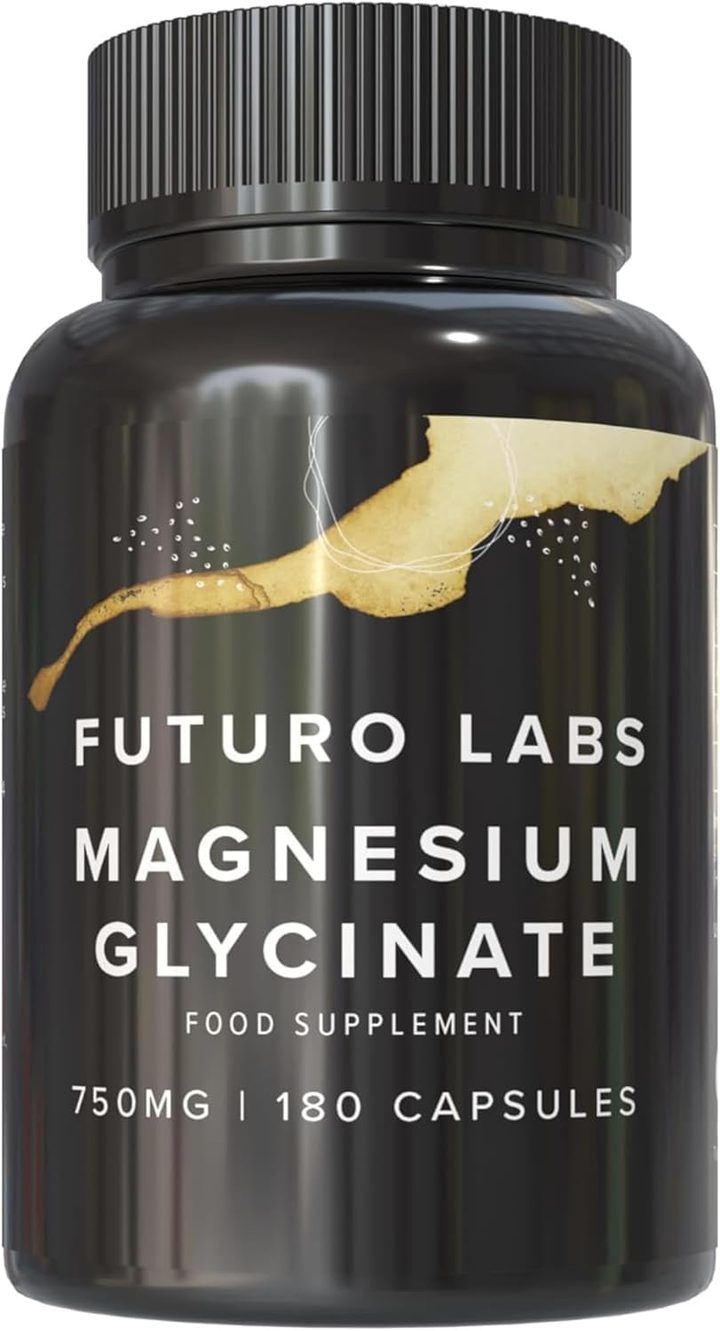
Our brand: the worked example on this page
Futuro Labs Magnesium Glycinate
- 22p a day
- 180 capsules, 2 capsules daily
- Lab tested
- Made in the UK
The evening mineral: Futuro Labs Magnesium Glycinate on Amazon UK, 180 capsules for £19.99. Label breakdown. The scheduling version of this question is on the zinc or magnesium at night page.
The sleep evidence, mineral by mineral
Magnesium brings actual trials. Abbasi's 2012 randomised study in older adults with insomnia, 500mg a day for eight weeks, reported better sleep efficiency and faster sleep onset; Mah and Pitre's 2021 review pooled the small trials and put the onset improvement at about 17 minutes, grading the evidence low quality but real, concentrated in people whose intake had been poor. Zinc brings adjacency: observational links between zinc status and sleep quality, mechanistic speculation, and nothing resembling a randomised trial of zinc for sleep in healthy adults. The UK claims register reflects the gap in its own way: neither mineral carries a sleep claim, but magnesium's authorised list, normal psychological function, normal functioning of the nervous system, reduction of tiredness and fatigue, at least borders the territory, while zinc's list points at immunity, skin, testosterone maintenance and cognition, none of which is a night's sleep.
What each mineral is actually doing at night
Magnesium's night-time relevance is the deficiency story run in reverse: low intake leaves the nervous system more excitable, sleep among the casualties, and restoring the reference intake lets normal function return, which is exactly what modest trial effects in low-intake participants look like. Zinc's night-time reputation is mostly borrowed clothing: it rides along in ZMA's bedtime ritual, and its genuine jobs, immune function, protein synthesis, the maintenance of normal testosterone in blood, run on adequacy over weeks with no evening timing logic at all. Prasad's zinc work is about deficiency and immunity, not bedtime. So the comparison resolves simply: magnesium is the mineral with a plausible, small, tested sleep story; zinc is a daytime-adequacy mineral that marketing put in pyjamas.
| Magnesium | Zinc | |
|---|---|---|
| Randomised sleep trialsOurs | Small positives in low-intake older adults | None |
| Pooled effect | About 17 minutes faster onset, low-quality evidence | n/a |
| Closest authorised claims | Nervous system, psychological function, tiredness and fatigue | Cognitive function, testosterone maintenance, immunity |
| Sensible supplement dose | 300mg elemental, evening meal | 10mg to 15mg, any meal, only if diet is short |
| UK guidance level | 400mg a day supplemental | 25mg a day |
| Verdict for the sleep question | The one to take | Not a sleep supplement |
The practical answer, including the both case
If sleep is the goal and one bottle is being bought, it is magnesium: Futuro Labs Magnesium Glycinate, 2 capsules with the evening meal, 300mg elemental at 80% NRV from bisglycinate at 20%, vegan, UK made under GMP and BRC, panels shown, £19.99 for 180 capsules, 22p a night, judged after eight weeks like the trials. Zinc earns its separate place only on dietary grounds, a plate light on meat, dairy, eggs and seafood, at 10mg to 15mg with food, under the 25mg guidance level, for its own claims rather than for sleep. Taking both is fine at those doses and needs no choreography beyond a meal. What neither mineral replaces is the machinery that actually runs sleep: a fixed wake time, caffeine cut eight hours out, and a dark, cool room, which cost nothing and outperform every capsule on this page.
What to check on the label
- Magnesium has the sleep trials, modest and concentrated in low intake; zinc has none.
- Neither carries a sleep claim: the honest framing is corrected intake.
- 300mg elemental magnesium, evening meal, eight-week judgement.
- Zinc only on dietary grounds: 10mg to 15mg, under the 25mg guidance level.
- Sleep hygiene outperforms both: fixed wake time, caffeine cutoff, dark room.
Our brand
The worked example: Futuro Labs Magnesium Glycinate
Futuro Labs Magnesium Glycinate is the sleep-question winner bought properly: 300mg elemental per 2 capsules (80% NRV) from bisglycinate 20%, evening friendly, vegan, UK made, panels shown, 22p a night from a £19.99 bottle of 180.
- Elemental magnesium per serving
- 300mg (80% NRV)
- Form
- magnesium bisglycinate 20%
- Serving
- 2 capsules a day
- Bottle
- 180 capsules, 90 days
- Price
- £19.99 (22p a day)
- Capsule
- vegetarian shell, vegan product
Questions people also ask
Should I take magnesium or zinc before bed?
Magnesium, with the evening meal. Zinc has no sleep evidence and no timing logic; take it with any meal, only if your diet runs short.
Does zinc help you sleep at all?
No randomised trial shows it, and no sleep claim is authorised. Its reputation is borrowed from ZMA's bedtime ritual.
Can I take magnesium and zinc together at night?
Yes: 300mg elemental magnesium and 10mg to 15mg zinc share a dinner without issue. Keep zinc under the 25mg guidance level.
How much does magnesium improve sleep?
The pooled trials suggest about 17 minutes faster onset and better efficiency in low-intake older adults, from low-quality evidence. Modest, honest, and worth 22p.
Why is zinc in night-time supplements then?
Marketing inheritance from ZMA. Zinc's real jobs, immunity, testosterone maintenance, cognition, run on daytime adequacy, not bedtime dosing.
Sources
- Futuro Labs Magnesium Glycinate listing, Amazon UK, label and price checked 31 August 2026. https://www.amazon.co.uk/dp/B0BT7Z5VQW
- Abbasi B, et al. The effect of magnesium supplementation on primary insomnia in elderly: a double-blind placebo-controlled clinical trial. Journal of Research in Medical Sciences 2012;17(12):1161-1169. PubMed record
- Mah J, Pitre T. Oral magnesium supplementation for insomnia in older adults: a systematic review and meta-analysis. BMC Complementary Medicine and Therapies 2021;21:125. PubMed record
- Prasad AS, Mantzoros CS, Beck FW, Hess JW, Brewer GJ. Zinc status and serum testosterone levels of healthy adults. Nutrition 1996;12(5):344-348. PubMed record
- EFSA Panel on Dietetic Products, Nutrition and Allergies. Scientific Opinion on the substantiation of health claims related to zinc, including maintenance of normal testosterone levels in the blood. EFSA Journal 2010;8(10):1819. https://efsa.onlinelibrary.wiley.com/doi/10.2903/j.efsa.2010.1819
- EFSA Panel on Dietetic Products, Nutrition and Allergies. Scientific Opinion on the substantiation of health claims related to magnesium. EFSA Journal 2010;8(10):1807. https://efsa.onlinelibrary.wiley.com/doi/10.2903/j.efsa.2010.1807
- Expert Group on Vitamins and Minerals. Safe Upper Levels for Vitamins and Minerals. Food Standards Agency, 2003 (magnesium guidance level 400mg a day from supplements). https://cot.food.gov.uk/sites/default/files/vitmin2003.pdf