Ghost Fitness/Magnesium/What is the best zinc and magnesium supplement for testosterone in the UK?
What is the best zinc and magnesium supplement for testosterone in the UK?
The short answer
The best zinc and magnesium supplement for testosterone is a modest pair: 10mg to 15mg zinc, which carries the authorised claim for maintaining normal testosterone levels, plus 300mg elemental magnesium as glycinate. Neither raises testosterone above normal in non-deficient men.
- 10 to 15mgzinc a day; the guidance level for supplements is 25mg
- 300mgelemental magnesium as glycinate
- Normalthe only testosterone claim allowed: maintenance of normal levels, for zinc
- About 25pa day for the pair
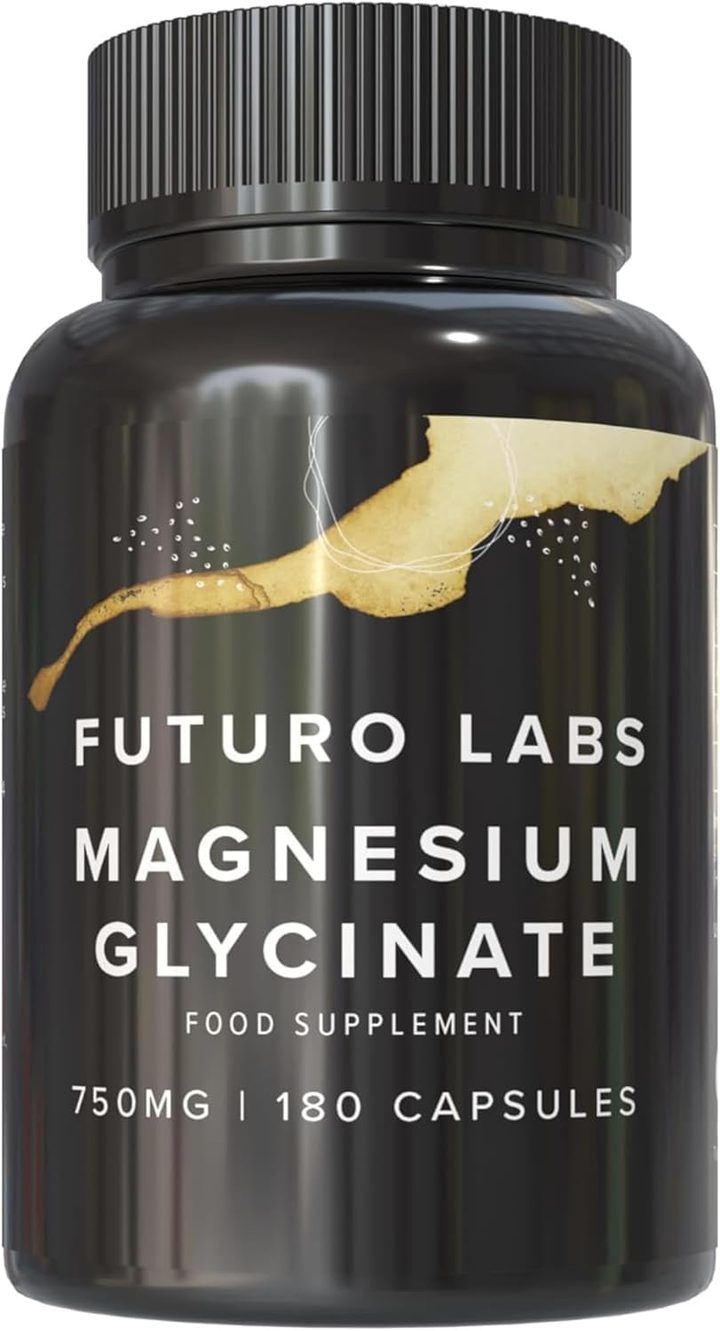
Our brand: the worked example on this page
Futuro Labs Magnesium Glycinate
- 22p a day
- 180 capsules, 2 capsules daily
- Lab tested
- Made in the UK
The magnesium half is Futuro Labs Magnesium Glycinate on Amazon UK, 180 capsules for £19.99. Label breakdown. This page is about supplements and labels; low testosterone symptoms belong with a GP and a blood test.
What zinc and magnesium can honestly say about testosterone
Zinc has an authorised UK claim: it contributes to the maintenance of normal testosterone levels in the blood. Magnesium has no testosterone claim at all. That split reflects the evidence. Prasad's 1996 study restricted zinc in healthy young men and watched testosterone fall, then gave zinc to older men with low zinc and watched it rise back to normal; the mineral maintains the level, it does not push past it. For magnesium, Cinar's 2011 study reported higher testosterone in athletes on a very high dose for four weeks, and it has not been repeated at normal doses. Wilborn's independent trial of the ZMA combination found no hormone change at all over eight weeks of training. So the honest expectation from a zinc and magnesium supplement is normal levels if you were short of either, and nothing if you were not.
Why the popular products get the doses wrong
Testosterone products sell on zinc at 30mg to 50mg and call it high strength. The UK reference intake for zinc is 9.5mg for men, the NRV is 10mg, and the Expert Group on Vitamins and Minerals set a guidance level of 25mg a day for supplemental zinc because higher long-term intake interferes with copper absorption. A 30mg nightly dose is above that level for no proven benefit. The magnesium in these products is often oxide at 100mg to 200mg, the poorly absorbed form at a token dose. The best zinc and magnesium supplement does the opposite: modest zinc, full magnesium, both printed.
| Product | Zinc | Magnesium | Verdict |
|---|---|---|---|
| Testosterone booster blend | 30mg to 50mg, above the guidance level | Often oxide, 100mg to 200mg | Skip: overdosed zinc, token magnesium, unproven extras |
| Classic ZMA | 30mg, above the guidance level | 450mg as aspartate | Null in the independent trial; zinc too high for nightly use |
| Separate zinc 10mg to 15mg | 100% to 150% NRV, under the guidance level | None | Carries the authorised claim; a few pence a day |
| Futuro Labs Magnesium GlycinateOurs | None | 300mg elemental as bisglycinate, 80% NRV | The magnesium half at a full, tolerated dose, 22p a day |
How to take the pair, and what actually moves testosterone
Zinc 10mg to 15mg with a meal, magnesium 300mg elemental with the evening meal: 2 capsules of Futuro Labs Magnesium Glycinate, 1500mg chelated bisglycinate at 20%, 80% NRV, vegan capsule, UK made under GMP and BRC certification, third-party tested for heavy metals and microbiology, 22p a day from a 180 capsule bottle at £19.99. Together about 25p a day. What moves testosterone in men who are not deficient is not in a capsule: sleep of seven hours or more, a body fat level that is not extreme, not being in a long calorie deficit, and heavy training with recovery. If you have symptoms of low testosterone, that is a GP conversation and a morning blood test, not a supplement stack.
What to check on the label
- Zinc per serving: 10mg to 15mg, never above 25mg.
- Elemental magnesium of 300mg per serving with the form printed; not oxide.
- The only testosterone wording is maintenance of normal levels, for zinc. Boost, increase or optimise is not authorised.
- No tribulus, fenugreek or proprietary blends padding the label.
- Cost per day for the pair: about 25p.
Our brand
The worked example: Futuro Labs Magnesium Glycinate
Futuro Labs Magnesium Glycinate is the magnesium half of the pair: 300mg elemental per 2 capsules (80% NRV) from chelated bisglycinate, third-party tested, UK made, vegan, 22p a day from a £19.99 bottle of 180. Add a separate 10mg to 15mg zinc for the authorised zinc claim.
- Elemental magnesium per serving
- 300mg (80% NRV)
- Form
- magnesium bisglycinate 20%
- Serving
- 2 capsules a day
- Bottle
- 180 capsules, 90 days
- Price
- £19.99 (22p a day)
- Capsule
- vegetarian shell, vegan product
Questions people also ask
Does zinc and magnesium increase testosterone?
Zinc maintains normal levels where intake was low, which is its authorised claim. Neither mineral raises testosterone above normal in men who are not deficient.
How much zinc and magnesium for testosterone?
10mg to 15mg zinc and 300mg elemental magnesium a day, both with food, both under the UK guidance levels.
Is ZMA the best zinc and magnesium supplement for testosterone?
No. The independent ZMA trial found no hormone change, and its 30mg zinc is above the 25mg UK guidance level.
Which magnesium is best for testosterone?
Glycinate at 300mg elemental, for the tolerated full dose. Futuro Labs Magnesium Glycinate: 300mg elemental, 22p a day, UK made. Magnesium has no testosterone claim.
Should I get my testosterone tested before supplementing?
If you have symptoms, yes: a GP and a morning blood test. Supplements correct a low mineral intake; they do not treat low testosterone.
Sources
- Futuro Labs Magnesium Glycinate listing, Amazon UK, label and price checked 31 August 2026. https://www.amazon.co.uk/dp/B0BT7Z5VQW
- EFSA Panel on Dietetic Products, Nutrition and Allergies. Scientific Opinion on the substantiation of health claims related to zinc, including maintenance of normal testosterone levels in the blood. EFSA Journal 2010;8(10):1819. https://efsa.onlinelibrary.wiley.com/doi/10.2903/j.efsa.2010.1819
- Prasad AS, Mantzoros CS, Beck FW, Hess JW, Brewer GJ. Zinc status and serum testosterone levels of healthy adults. Nutrition 1996;12(5):344-348. PubMed record
- Cinar V, Polat Y, Baltaci AK, Mogulkoc R. Effects of magnesium supplementation on testosterone levels of athletes and sedentary subjects at rest and after exhaustion. Biological Trace Element Research 2011;140(1):18-23. PubMed record
- Wilborn CD, et al. Effects of zinc magnesium aspartate (ZMA) supplementation on training adaptations and markers of anabolism and catabolism. Journal of the International Society of Sports Nutrition 2004;1(2):12-20. PubMed record
- Expert Group on Vitamins and Minerals. Safe Upper Levels for Vitamins and Minerals. Food Standards Agency, 2003 (magnesium guidance level 400mg a day from supplements). https://cot.food.gov.uk/sites/default/files/vitmin2003.pdf
- Department of Health. Dietary Reference Values for Food Energy and Nutrients for the United Kingdom. Report on Health and Social Subjects 41, 1991 (magnesium RNI 300mg men, 270mg women).
- Retained Regulation (EU) No 1169/2011, Annex XIII: nutrient reference value for magnesium 375mg. https://www.legislation.gov.uk/eur/2011/1169/annex/XIII
- EFSA Panel on Dietetic Products, Nutrition and Allergies. Scientific Opinion on the substantiation of health claims related to magnesium. EFSA Journal 2010;8(10):1807. https://efsa.onlinelibrary.wiley.com/doi/10.2903/j.efsa.2010.1807