Ghost Fitness/Magnesium/Is 50 mg of elemental magnesium too much?
Is 50 mg of elemental magnesium too much?
The short answer
No, the opposite: 50mg of elemental magnesium is 13% of the 375mg reference value, below the 15% significant-amount threshold a label needs to declare the nutrient with its claims, and an eighth of the guidance level. It appears in multivitamins, gummies and products sold with added magnesium, and it does almost nothing for a lifter.
- 50mg elemental13% NRV: under the 15% threshold for declaring the nutrient with its claims
- Against the levelan eighth of the 400mg supplemental guidance: nowhere near too much
- Where it appearsmultivitamins, gummies, with-added-magnesium products, some blends
- What it doesalmost nothing for a shortfall of hundreds of milligrams; a sixth of a lifter's dose
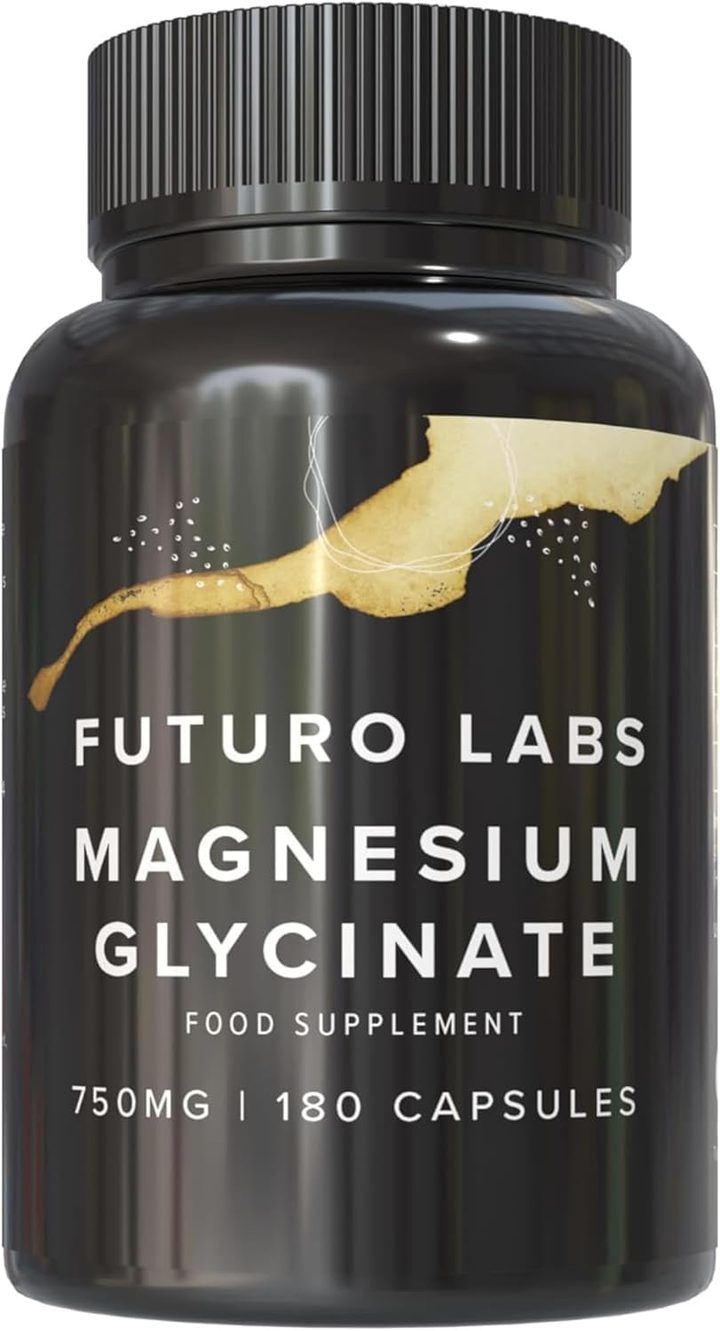
Our brand: the worked example on this page
Futuro Labs Magnesium Glycinate
- 22p a day
- 180 capsules, 2 capsules daily
- Lab tested
- Made in the UK
A dose six times the token: Futuro Labs Magnesium Glycinate on Amazon UK, 300mg elemental at 80% NRV, £19.99 for 90 days at 22p. Full label breakdown. The NRV and the 15% rule are on the NRV guide; the elemental unit on the elemental page.
The opposite problem, and the 15% rule that makes 50mg a token in the register's own terms
Is 50mg of elemental magnesium too much is a question that has the problem the wrong way round, and the register's own arithmetic shows it. Fifty milligrams of elemental magnesium is 13% of the 375mg nutrient reference value, and the significant-amount threshold under which a vitamin or mineral may be declared on a supplement label and may carry its authorised claims is 15% of the NRV per daily dose, the claims guide's condition of use, so 50mg sits below the line at which a label may even say magnesium contributes to normal muscle function, the register treating it as too little to mention rather than too much to take. Against the safety levels it is an eighth of the UK guidance of about 400mg supplemental a day and a fifth of the EU's 250mg figure, nowhere near either, and against the reference intakes of 300mg for men and 270mg for women it is a sixth of a day, a top-up that closes a fraction of a shortfall and none of the hundreds of milligrams a lifter on a cut or a rice-and-chicken bulk may be missing. The salt matters little at this size: 50mg of elemental magnesium is 50mg whether from bisglycinate, citrate or oxide, and the only way 50mg becomes something else is if the label meant 50mg of a compound, which as bisglycinate is about 10mg of the mineral and a footnote to a footnote, the %NRV line settling which.
Where 50mg appears, what it does, and the number filed
Fifty milligrams appears in four places, and knowing them explains the question. Multivitamins, where magnesium is a bulky mineral and a full dose would not fit in a one-a-day tablet beside everything else, so a token of 50 to 100mg is included to put the word on the label, which is why the multivitamin pages here say a multivitamin's magnesium line is counted toward a total but never relied on. Gummies, where the sugar matrix leaves little room and 50mg of citrate per gummy is typical, six gummies and their sugar being needed for a lifter's dose. Products sold with added magnesium, a protein powder, an electrolyte drink or a sleep blend that lists magnesium on the front and delivers a token on the back, the front word being the marketing and the back figure being the dose. And low-dose blends, where three or five salts share a small capsule and each contributes a few tens of milligrams. What 50mg does is almost nothing measurable: it contributes to a total, a reader eating a mixed diet plus a multivitamin's 50mg being fifty milligrams closer to the reference intake, and it closes none of a genuine shortfall, the deficiency pattern applying in miniature, so a lifter whose diet audit finds a gap of two or three hundred milligrams and who takes a product with 50mg has taken a sixth of what the gap needs and will feel nothing at eight weeks for the honest reason that nothing was replaced. The number filed: 50mg of elemental magnesium is not too much, it is too little to carry a claim, an eighth of the guidance level and a sixth of a lifter's dose, found in multivitamins, gummies, with-magnesium products and low-dose blends, and the worked example is a dose six times the token, 300mg elemental at 80% NRV over two capsules, £19.99 for 90 days at 22p, the difference between a word on a label and a shortfall closed.
| The comparison | The figure | The reading |
|---|---|---|
| Against the NRV | 13% of 375mg | Below the 15% threshold a claim needs |
| Against the guidance level | An eighth of 400mg | Nowhere near too much |
| Against the reference intakes | A sixth of 300mg for men | A top-up, not a dose |
| Where it appears | Multivitamins, gummies, with-magnesium products, low-dose blends | The word on the label, not the dose |
| What it does | Fifty milligrams toward a total | Closes none of a real shortfall |
| The worked exampleOurs | 300mg at 80% NRV | Six times the token; a claim-carrying dose |
The verdict, not too much but too little to count
Is 50mg of elemental magnesium too much: no, and the register's own arithmetic makes it the opposite problem, 50mg being 13% of the reference value and below the 15% threshold a label needs to declare the nutrient with its claims, an eighth of the guidance level and a sixth of a lifter's dose, the token that multivitamins, gummies, with-added-magnesium products and low-dose blends carry to put the word on the front while the back closes none of a genuine shortfall. Six times the token: Futuro Labs Magnesium Glycinate, 300mg elemental at 80% NRV over two capsules, £19.99 for 90 days at 22p a day.
What to check on the label
- Read 50mg against the 15% rule: too little to carry a claim.
- Read it against the level: an eighth of 400mg.
- Know where it appears: multivitamins, gummies, with-magnesium products.
- Count it toward a total, never rely on it: a sixth of a lifter's dose.
- Close a shortfall with a real dose: 300mg elemental.
Our brand
The worked example: Futuro Labs Magnesium Glycinate
Futuro Labs Magnesium Glycinate is the worked example for magnesium reviews because its label states every number a review needs: 1500mg magnesium bisglycinate at 20%, 300mg elemental, 80% NRV, 2 capsules a day, 180 capsules for £19.99, 22p a day, UK made, vegan HPMC shell, batch tested for lead, mercury, arsenic and cadmium, and only the register's own magnesium claims printed.
- Elemental magnesium per serving
- 300mg (80% NRV)
- Form
- magnesium bisglycinate 20%
- Serving
- 2 capsules a day
- Bottle
- 180 capsules, 90 days
- Price
- £19.99 (22p a day)
- Capsule
- vegetarian shell, vegan product
Questions people also ask
Is 50mg of magnesium a good dose?
No: it is 13% of the reference value, below the 15% threshold a label needs to declare magnesium with its claims, an eighth of the guidance level and a sixth of the 300mg a lifter whose diet runs short needs, a token that contributes to a total and closes no shortfall.
Why do multivitamins only contain 50mg of magnesium?
Because magnesium is a bulky mineral and a full dose would not fit in a one-a-day tablet beside everything else, so a token of 50 to 100mg is included to put the word on the label, counted toward a total and never relied on.
Can 50mg of elemental magnesium be harmful?
No: it is an eighth of the UK supplemental guidance level of about 400mg and a fifth of the EU's 250mg figure, and the only harm in it is the belief that a with-magnesium product has closed a shortfall it has not.
What does the 15% rule mean for magnesium?
A supplement may declare a vitamin or mineral and carry its authorised claims only if the daily dose provides at least 15% of the nutrient reference value, about 56mg for magnesium, so a 50mg product cannot lawfully print magnesium's muscle-function or fatigue sentences.
How much magnesium do I need instead of 50mg?
Around 300mg elemental a day where a diet audit finds a shortfall, most of the 375mg reference value and under the 400mg guidance level, in a well-absorbed salt such as bisglycinate over two capsules.
Sources
- Retained Regulation (EU) No 1169/2011, Annex XIII: nutrient reference value for magnesium 375mg. https://www.legislation.gov.uk/eur/2011/1169/annex/XIII
- Retained Regulation (EC) No 1924/2006 on nutrition and health claims made on foods, and the Great Britain nutrition and health claims register. https://www.gov.uk/government/publications/great-britain-nutrition-and-health-claims-nhc-register
- Expert Group on Vitamins and Minerals. Safe Upper Levels for Vitamins and Minerals. Food Standards Agency, 2003 (magnesium guidance level 400mg a day from supplements). https://cot.food.gov.uk/sites/default/files/vitmin2003.pdf
- Department of Health. Dietary Reference Values for Food Energy and Nutrients for the United Kingdom. Report on Health and Social Subjects 41, 1991 (magnesium RNI 300mg men, 270mg women).