Ghost Fitness/Lion's mane/What medications interfere with lion's mane?
What medications interfere with lion's mane?
The short answer
In neither direction: lion's mane has no documented effect on drug metabolism, no CYP-enzyme interaction like St John's wort's, and no medication is known to alter it. The theoretical bench signals, clotting and glucose, earn a pharmacist mention.
- Direction onethe mushroom altering a drug: no documented CYP or absorption effect
- The mechanism that would matterCYP450 induction or inhibition: St John's wort and grapefruit do it; lion's mane does not
- Direction twoa drug altering the mushroom: nothing to alter, no established effect
- The theoretical mentionsanticoagulants and antiplatelets; diabetes medication; immunosuppressants
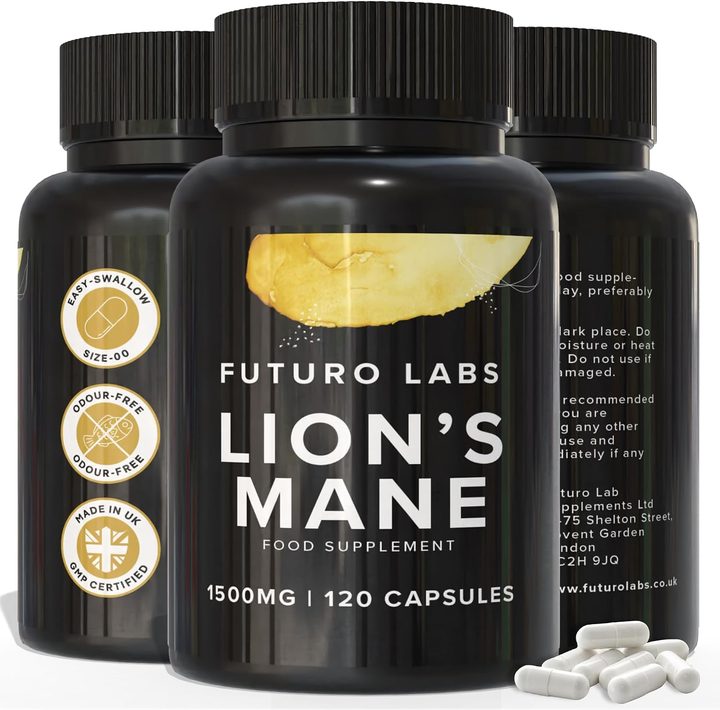
Our brand: the worked example on this page
Futuro Labs Lion's Mane
- 13p a day
- 120 capsules, 1 capsule daily
- Lab tested
- Made in the UK
A capsule with no known interference either way: Futuro Labs Lion's Mane on Amazon UK, 5:1 fruiting body extract, 1 daily, £15.49 for 120 days at 13p. Full label breakdown. The three theoretical categories are on the medications page; the two lists on the cannot-be-taken page.
Interference runs two ways, and the mechanism that makes it dangerous is explained before it is found absent
Interfere is a two-way word, and the honest answer separates the directions, because the dangerous supplement-drug interactions the public knows about run in one of them and the reassurance about lion's mane has to be earned in both. Direction one, the supplement altering a medicine, is where the famous interactions live, and they run through a mechanism worth naming: the cytochrome P450 enzymes, the liver's drug-metabolising machinery, which some substances induce, speeding the breakdown of medicines until their blood levels fall, St John's wort doing exactly that to the contraceptive pill, some antidepressants and many others, and which some substances inhibit, slowing the breakdown until levels rise, grapefruit doing that to certain statins and blood-pressure drugs, so a supplement interferes with a medicine, in the sense that matters, by changing how much of the drug is in the blood. Checked against that mechanism, lion's mane has no documented effect: no human study has shown it to induce or inhibit the CYP enzymes, no case pattern of altered drug levels exists, and the bench literature on its compounds has not produced the kind of enzyme-effect finding that has been produced for St John's wort, so on direction one the mushroom is, on current evidence, silent, interfering with the metabolism of no medicine anyone has measured, which is a different and stronger statement than the blanket safe of the marketing, being a statement about a specific mechanism examined and not found. Direction two, a medicine altering the mushroom, has an odder answer: nothing is known to alter it, and there is little to alter, lion's mane having no established effect in humans for a drug to interfere with, so the direction-two question, which drugs stop lion's mane working, presupposes a working that the evidence has not established.
The theoretical mentions kept in their place, the cupboard rule restated, and the two directions filed
Neither direction being documented does not empty the medication pages of content, because three theoretical bench signals remain and belong to a different category from interference: effects on platelet aggregation in in-vitro and animal work, earning a pharmacist mention from anyone on anticoagulant or antiplatelet drugs; glucose-lowering effects in animal studies, earning a mention from anyone on diabetes medication; and the immune-modulating activity of fungal beta-glucans in bench models, earning a clinician's view from anyone on immunosuppressants, none of these being a drug-level interaction, all of them being a theoretical additive effect on the same body system a drug is treating, and all of them warranting a mention rather than a prohibition, the medications page grading each. The cupboard rule restates itself because no page can name every medicine: anyone on regular medication of any kind takes the whole supplement cupboard, this capsule included, to a pharmacist once, the conversation that screens the specific regimen against the theoretical signals and against anything else in the cupboard, St John's wort's real CYP interactions among them, so that the one supplement in the bag that genuinely interferes with medicines gets caught even if it is not the mushroom. The two directions filed: no medication interferes with lion's mane and lion's mane interferes with no medication on documented human evidence, the CYP mechanism that makes supplement interactions dangerous being examined and absent, with three theoretical additive signals earning mentions and everyone on medication taking the cupboard to a pharmacist, the worked example being a capsule whose label prints its warnings and whose interaction file is, honestly, empty in both directions.
| The direction | The mechanism | Lion's mane |
|---|---|---|
| Supplement alters drug | CYP450 induction or inhibition changes drug levels | No documented CYP effect; no altered-level pattern |
| The famous examples | St John's wort induces; grapefruit inhibits | Not in that company |
| Drug alters supplement | Would require an established effect to alter | None established; nothing to interfere with |
| The theoretical additive signals | Same-system effects, not drug-level ones | Clotting, glucose, immune: pharmacist or clinician mention |
| The cupboard rule | No page names every medicine | Whole cupboard to a pharmacist, once |
| The verdict | Neither direction documented | A short honest file, not a blanket safe |
The verdict, silent in both directions on evidence
What medications interfere with lion's mane: none in either direction on documented human evidence, the mushroom having no known effect on the cytochrome P450 machinery through which St John's wort and grapefruit change drug levels, and no medicine being known to alter a mushroom that has no established effect to alter, with three theoretical additive signals, clotting, glucose and immune modulation, earning a pharmacist's or clinician's mention as their own pages grade them, and everyone on regular medication taking the whole cupboard to a pharmacist once. The capsule with an empty interference file: Futuro Labs Lion's Mane, 5:1 fruiting body extract, one daily, warnings printed, UK made, lab tested, £15.49 for 120 days at 13p a day, silent in both directions because the evidence is.
What to check on the label
- Separate the directions: supplement-on-drug and drug-on-supplement.
- Name the real mechanism: CYP450 induction or inhibition.
- Find lion's mane absent from it: no documented enzyme effect.
- Keep the theoretical signals in their category: additive mentions, not interference.
- Take the cupboard to a pharmacist: the one that interferes may not be the mushroom.
Our brand
The worked example: Futuro Labs Lion's Mane
Futuro Labs Lion's Mane: 1 capsule daily of 5:1 fruiting body extract, labelled 1500mg mushroom equivalent (about 300mg extract), 120 capsules for £15.49, 120 days at 13p a day. Vegan HPMC shell, UK made under GMP and BRC, independently lab tested, caffeine free. Lion's mane holds no authorised UK health claims; this site describes its small studies as studies.
- Extract
- fruiting body, 5:1
- Per capsule
- 1500mg mushroom equivalent
- Serving
- 1 capsule a day
- Bottle
- 120 capsules, 120 days
- Price
- £15.49 (13p a day)
- Capsule
- HPMC vegan shell, size 00
Questions people also ask
Does lion's mane affect how medications are metabolised?
Not on any evidence: clinically important supplement interactions run through cytochrome P450 induction or inhibition, St John's wort and grapefruit being the famous cases, and no such effect has been documented for lion's mane.
Do any medications stop lion's mane from working?
Nothing is known to, and the question presupposes an established effect to interfere with, which the human evidence has not shown; the mushroom is a claim-free bet with no drug known to alter it.
What about blood thinners and diabetes medication?
Those are theoretical additive signals, not interference: bench work on platelet aggregation and animal work on glucose earn a pharmacist mention from anyone on the relevant drugs, as the medications page grades them.
Is lion's mane safer with medicines than St John's wort?
On the mechanism that matters, yes: St John's wort has well-documented CYP-inducing interactions with many medicines, and lion's mane has none documented, though every medicated reader still takes the whole cupboard to a pharmacist once.
Who should have the pharmacist conversation?
Anyone on regular medication of any kind, for any condition: the conversation screens the specific regimen against the theoretical signals and against everything else in the cupboard, a free minute this page cannot replace.
Sources
- The supplement-drug interaction mechanism literature: clinically important supplement interactions typically run through cytochrome P450 enzyme induction or inhibition, St John's wort inducing CYP3A4 and grapefruit inhibiting it, with no such effect documented for Hericium erinaceus. PubMed record
- The Hericium erinaceus safety literature: animal and in-vitro studies report effects on platelet aggregation and blood glucose, theoretical signals with no confirmed human drug interaction, warranting a pharmacist mention for anyone on anticoagulant, antiplatelet or diabetes medication. PubMed record
- The mushroom beta-glucan immunology literature: fungal polysaccharides show immune-modulating activity in bench models, a theoretical consideration for people on immunosuppressant medication that warrants a clinician's view rather than self-direction. PubMed record
- The herb-induced liver injury literature: documented case reports of liver injury associated with botanical supplements including ashwagandha and high-dose green tea extract, rare but recognised in hepatology. PubMed record