Ghost Fitness/Lion's mane/What medications cannot be taken with lion's mane?
What medications cannot be taken with lion's mane?
The short answer
None is documented in human studies. Three theoretical bench signals warrant a pharmacist mention: anticoagulants and antiplatelets, diabetes medication, and immunosuppressants. Anyone on regular medication clears the whole cupboard with a pharmacist once, this capsule included.
- Documented human interactionsnone: no confirmed drug interaction for lion's mane
- Category one, theoreticalanticoagulants and antiplatelets: platelet signals in bench work
- Category two, theoreticaldiabetes medication: glucose signals in animal work
- Category three, theoreticalimmunosuppressants: fungal beta-glucan immunology, a clinician's call
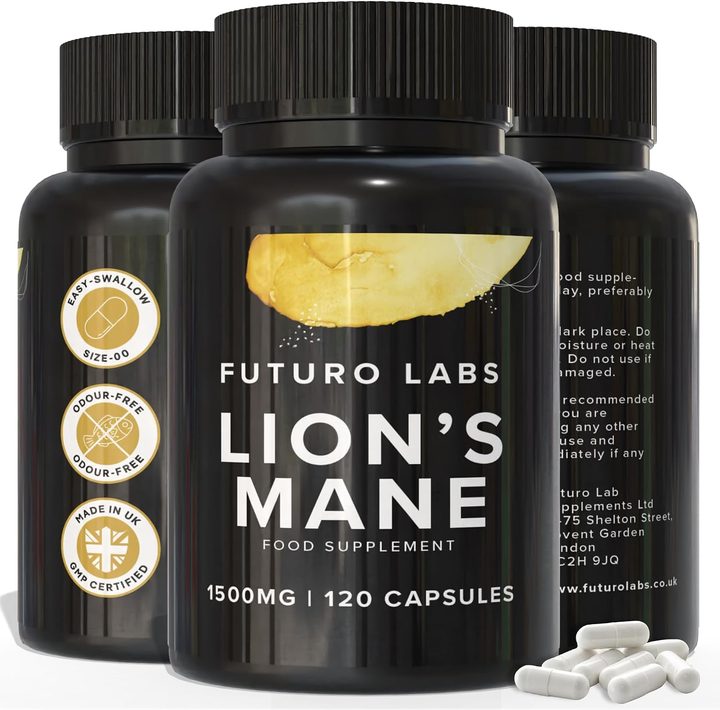
Our brand: the worked example on this page
Futuro Labs Lion's Mane
- 13p a day
- 120 capsules, 1 capsule daily
- Lab tested
- Made in the UK
A capsule with nothing documented against it: Futuro Labs Lion's Mane on Amazon UK, 5:1 fruiting body extract, 1 daily, label warnings printed, £15.49 for 120 days at 13p. Full label breakdown. The two-lists page is here; the complete guide's who-should-check note on the guide.
The honest first sentence, and the three theoretical categories named at their evidential grade
What medications cannot be taken with lion's mane deserves its honest first sentence before any list: none is documented in human studies, no confirmed drug interaction existing for lion's mane, the two human trials having reported no interaction findings, and the pharmacovigilance record holding no established pattern, so in the strict sense of cannot, no medication is contraindicated by human evidence, and a page listing drugs as forbidden has upgraded laboratory findings to clinical facts. What exists instead is three theoretical categories, each resting on bench or animal work, each earning a pharmacist mention from anyone on the relevant drugs, and each named here at its evidential grade so the reader neither dismisses nor inflates it. Category one, anticoagulants and antiplatelets: in-vitro and animal studies have reported effects of lion's mane compounds on platelet aggregation, a signal never shown to change bleeding or clotting in a person, but the kind of signal that anyone on warfarin, direct oral anticoagulants, aspirin taken for cardiovascular reasons or other antiplatelet drugs mentions to a pharmacist, who will usually say it changes nothing and occasionally say it is worth watching. Category two, diabetes medication: animal studies have reported glucose-lowering effects of some preparations, unconfirmed in humans, a signal that anyone on insulin or oral glucose-lowering drugs mentions so that the possibility of an additive effect, however theoretical, has been weighed by someone who knows their regimen. Category three, immunosuppressants: fungal beta-glucans show immune-modulating activity in bench models, the basis of the retail immunity marketing this site rejects and also the basis of a genuine theoretical consideration for people whose immune systems are being deliberately suppressed, transplant recipients and those on immunosuppressant treatment for autoimmune conditions, for whom the honest instruction is a clinician's view rather than self-direction, the signal being theoretical and the population being one where theory earns a doctor's minute.
The cupboard rule that covers everything the three categories do not, and the answer filed proportionately
The three categories are the ones the bench literature names, and they are not a complete list of the medicines a pharmacist would want to know about, because no page can be, which is why the cupboard rule covers the rest: anyone on regular medication of any kind, for any condition, clears the whole supplement cupboard with a pharmacist once, this capsule included, a free conversation in which the pharmacist screens the theoretical signals above, screens anything else in the cupboard against the medicines, ashwagandha's thyroid watchpoint, St John's wort's real interactions, the minerals' spacing rules near levothyroxine and the tetracyclines, and applies knowledge of the specific regimen that this page cannot have, the single most valuable minute in the whole section for a medicated reader. The proportionate answer filed: no medication cannot be taken with lion's mane on documented human evidence; three theoretical categories, anticoagulants and antiplatelets, diabetes medication and immunosuppressants, earn a mention to a pharmacist or, for the third, a clinician; and everyone else on regular medication takes the cupboard to a pharmacist once and follows what they hear, the worked example's label supporting the whole posture by printing its dose warning and keep-from-children particular and claiming nothing, and this site refusing, on this page as on every interaction page, both the internet's alarming dozen and the marketing's blanket safe, because the honest answer is a short list of theoretical mentions and one standing conversation.
| The category | The evidence | The action |
|---|---|---|
| Any medication, documented | No confirmed human interaction | Nothing is contraindicated by human evidence |
| Anticoagulants, antiplatelets | Platelet signals in bench and animal work | Mention to a pharmacist |
| Diabetes medication | Glucose signals in animal work | Mention to a pharmacist |
| Immunosuppressants | Fungal beta-glucan immunology, bench-level | A clinician's view before taking |
| Every other regular medicine | Unknown to any page | The whole cupboard to a pharmacist, once |
| The label | Do not exceed; keep from children; no claims | The worked example's printed posture |
The verdict, proportionate rather than alarming or blanket
What medications cannot be taken with lion's mane: none on documented human evidence, the confirmed-interaction list being empty, with three theoretical categories earning a mention at their evidential grade, anticoagulants and antiplatelets for platelet signals in bench work, diabetes medication for glucose signals in animal work, and immunosuppressants for fungal beta-glucan immunology warranting a clinician's view, and the cupboard rule covering everyone else on regular medication, a pharmacist once, the whole list, this capsule included. The capsule with nothing documented against it: Futuro Labs Lion's Mane, 5:1 fruiting body extract, one daily, do not exceed, keep from children, no claims, UK made, lab tested, £15.49 for 120 days at 13p a day, its warnings printed and its interactions honestly short.
What to check on the label
- Start with the honest sentence: nothing documented in humans.
- Name the three theoretical categories: clotting drugs, diabetes drugs, immunosuppressants.
- Grade them as bench signals: mentions, not prohibitions.
- Send immunosuppressed readers to a clinician: theory earns a doctor's minute there.
- Apply the cupboard rule: any regular medicine, a pharmacist, once.
Our brand
The worked example: Futuro Labs Lion's Mane
Futuro Labs Lion's Mane: 1 capsule daily of 5:1 fruiting body extract, labelled 1500mg mushroom equivalent (about 300mg extract), 120 capsules for £15.49, 120 days at 13p a day. Vegan HPMC shell, UK made under GMP and BRC, independently lab tested, caffeine free. Lion's mane holds no authorised UK health claims; this site describes its small studies as studies.
- Extract
- fruiting body, 5:1
- Per capsule
- 1500mg mushroom equivalent
- Serving
- 1 capsule a day
- Bottle
- 120 capsules, 120 days
- Price
- £15.49 (13p a day)
- Capsule
- HPMC vegan shell, size 00
Questions people also ask
Is there any medication proven to interact with lion's mane?
No: no human study has identified a drug interaction, the two trials reported none, and no established pharmacovigilance pattern exists, so nothing is contraindicated by human evidence.
Can I take lion's mane with warfarin or aspirin?
Mention it to a pharmacist first: bench and animal work report effects on platelet aggregation, a theoretical signal never shown to alter clotting in a person but worth a pharmacist's minute for anyone on anticoagulant or antiplatelet drugs.
Can I take lion's mane with metformin or insulin?
After a pharmacist mention: animal studies report glucose-lowering effects of some preparations, unconfirmed in humans, a theoretical additive possibility a pharmacist can weigh against your regimen.
Should transplant patients or people on immunosuppressants take lion's mane?
Only with a clinician's view: fungal beta-glucans show immune-modulating activity in bench models, and for a deliberately suppressed immune system that theoretical signal earns a doctor's decision rather than self-direction.
I take a medication not mentioned here, what should I do?
The cupboard rule: take every supplement you use, lion's mane included, to a pharmacist once, a free conversation that screens your specific regimen against everything a page cannot know.
Sources
- The Hericium erinaceus safety literature: animal and in-vitro studies report effects on platelet aggregation and blood glucose, theoretical signals with no confirmed human drug interaction, warranting a pharmacist mention for anyone on anticoagulant, antiplatelet or diabetes medication. PubMed record
- The mushroom beta-glucan immunology literature: fungal polysaccharides show immune-modulating activity in bench models, a theoretical consideration for people on immunosuppressant medication that warrants a clinician's view rather than self-direction. PubMed record
- The herb-induced liver injury literature: documented case reports of liver injury associated with botanical supplements including ashwagandha and high-dose green tea extract, rare but recognised in hepatology. PubMed record
- Mori K, Inatomi S, Ouchi K, Azumi Y, Tuchida T. Improving effects of the mushroom Yamabushitake (Hericium erinaceus) on mild cognitive impairment: a double-blind placebo-controlled clinical trial. Phytotherapy Research 2009;23(3):367-372. PubMed record