Ghost Fitness/Lion's mane/Is lion's mane legal in the UK?
Is lion's mane legal in the UK?
The short answer
Yes: lion's mane is a food, sold lawfully as a food supplement under UK food law, unrelated to the psilocybin species that are Class A. It may make no health claims, and some mycelium-based products face novel-food questions.
- The statusa food: lawful to sell, buy, possess and eat
- The law it sits underfood law and the Food Supplements Regulations, not drug law
- The confusionpsilocybin mushrooms are Class A; lion's mane contains no psilocybin
- The footnotewild picking is an offence; some mycelium ingredients face novel-food assessment
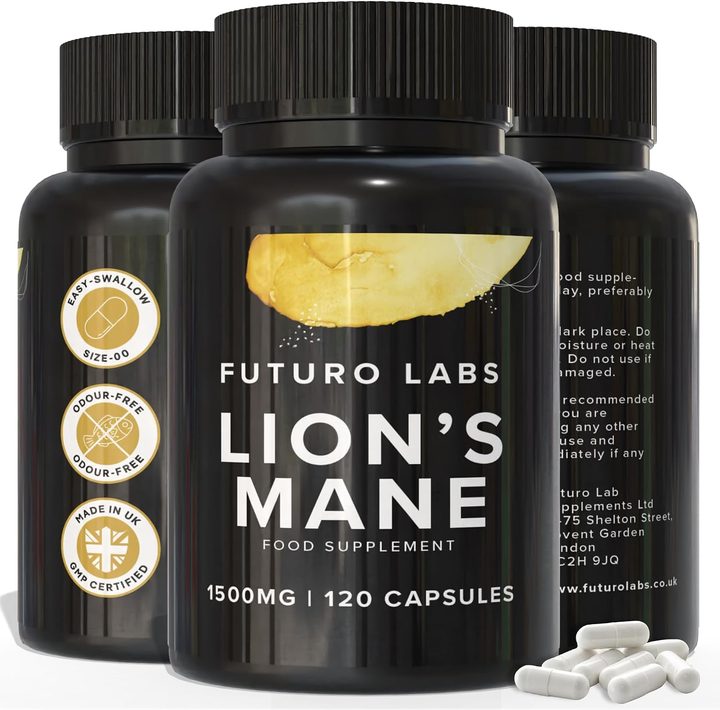
Our brand: the worked example on this page
Futuro Labs Lion's Mane
- 13p a day
- 120 capsules, 1 capsule daily
- Lab tested
- Made in the UK
A lawful food supplement with its particulars printed: Futuro Labs Lion's Mane on Amazon UK, 5:1 fruiting body extract, food supplement, UK address, batch and date, £15.49 for 120 days at 13p. Full label breakdown. The psychedelic disambiguation is on the disambiguation page; the label particulars on the label page.
Yes, as a food, and the law it sits under, which is food law and not drug law
Lion's mane is legal in the UK, and the reason is the simplest one available: it is a food. Hericium erinaceus is a culinary mushroom, sold fresh by growers and grocers, cooked in restaurants, and, as a dried extract in a capsule, sold as a food supplement, which places it under food law rather than medicines or drug law, specifically the general food safety framework and the Food Supplements Regulations, which require the words food supplement on the label, the mushroom named, a daily portion with a do-not-exceed warning, the varied-diet and keep-from-children statements, ingredients, allergens, a batch, a best-before and a UK business address, the label page's floor, and which permit the product to be sold, bought, possessed and eaten by anyone without licence, prescription or age restriction in law, this site's own under-eighteen exclusion being editorial rather than legal. What the law forbids is claims: no mushroom holds an authorised health claim under the nutrition and health claims framework, so a lion's mane product may lawfully say what it is, its species, tissue, ratio and dose, and may not say what it does, no focus, memory, nerve, immune or any other benefit being printable, a product printing one being in breach of claims law rather than of any drug law, the distinction mattering because the internet occasionally frames lion's mane as a grey-area substance, which it is not, being as legal as a bag of dried porcini and as constrained in its advertising as a carton of milk.
The species it is confused with, the picking offence, the mycelium footnote, and the status filed
The legal confusion around lion's mane comes from three directions and each is cleared in a sentence. The psilocybin confusion, the largest: psilocybin and psilocin, and the fungi that contain them, are Class A controlled substances under the Misuse of Drugs Act, and lion's mane contains neither, being an unrelated species with no psychoactive compound of any kind, the disambiguation page's whole subject, so the legal status of magic mushrooms has no bearing on a culinary one whose only excitement is a concentration ratio. The picking offence, the surprising one: wild lion's mane is protected under Schedule 8 of the Wildlife and Countryside Act, making it an offence to pick, uproot or destroy a wild specimen in Great Britain, so the mushroom is legal to buy, grow and eat and illegal to forage, a combination that catches out the culinary reader who finds one on a beech, the grown-in-the-UK page's fact. The novel-food footnote, the technical one: under the retained novel food framework, foods without a significant history of consumption in the EU before 1997 require authorisation, and fruiting-body lion's mane, with its established culinary history, sits outside that requirement, while some mycelium-based ingredients, liquid-fermented biomass in particular, have faced or may face novel-food assessment as new forms of an old food, a question for manufacturers rather than consumers but one that gives the fruiting-body product a small additional regulatory tidiness the mycelium pages did not need to mention. The status filed: lion's mane is legal in the UK as a food and a food supplement, constrained only in what it may claim, unrelated to any controlled species, protected in the wild, and, in its fruiting-body form, outside the novel-food framework, the worked example being a lawful food supplement with every required particular printed and no claim anywhere, which is what legal looks like on a label.
| The question | The answer | The law |
|---|---|---|
| Is it legal to buy and take? | Yes: a food and a food supplement | Food law; the Food Supplements Regulations |
| Is it a controlled substance? | No: unrelated to psilocybin species | The Misuse of Drugs Act does not touch it |
| Can it make health claims? | No: no mushroom holds one | Nutrition and health claims law |
| Can I pick it wild? | No: a protected species | Schedule 8, Wildlife and Countryside Act 1981 |
| Is it a novel food? | Fruiting body, no; some mycelium ingredients, assessed | The retained novel food framework |
| Any age or licence limit in law? | None; this site's under-18 exclusion is editorial | Food law imposes none |
The verdict, legal as dinner and regulated as a label
Is lion's mane legal in the UK: yes, as a food and a food supplement under food law, lawful to sell, buy, possess and eat without licence or prescription, constrained only by claims law that forbids any health benefit on its label, unrelated to the psilocybin species that are Class A, protected in the wild where picking it is an offence, and, in its fruiting-body form, outside the novel-food framework that some mycelium-based ingredients have met. The lawful label, worked: Futuro Labs Lion's Mane, food supplement, 5:1 fruiting body extract, one capsule daily with the do-not-exceed and keep-from-children particulars, UK address, batch and best-before printed, no claim anywhere, £15.49 for 120 days at 13p a day, as legal as dried porcini and as quiet about benefits as the law requires.
What to check on the label
- Treat it as food: food law, not drug law.
- Separate it from psilocybin: no psychoactive compound, no controlled status.
- Expect no claims: legal to sell, illegal to promise.
- Never pick it wild: Schedule 8 protection.
- Note the mycelium footnote: fruiting body is regulatorily tidier.
Our brand
The worked example: Futuro Labs Lion's Mane
Futuro Labs Lion's Mane: 1 capsule daily of 5:1 fruiting body extract, labelled 1500mg mushroom equivalent (about 300mg extract), 120 capsules for £15.49, 120 days at 13p a day. Vegan HPMC shell, UK made under GMP and BRC, independently lab tested, caffeine free. Lion's mane holds no authorised UK health claims; this site describes its small studies as studies.
- Extract
- fruiting body, 5:1
- Per capsule
- 1500mg mushroom equivalent
- Serving
- 1 capsule a day
- Bottle
- 120 capsules, 120 days
- Price
- £15.49 (13p a day)
- Capsule
- HPMC vegan shell, size 00
Questions people also ask
Is lion's mane a controlled substance in the UK?
No: it contains no psilocybin, psilocin or any psychoactive compound, is unrelated to the Class A psilocybin species, and sits under food law as a culinary mushroom and food supplement.
Do I need a prescription or licence to buy lion's mane?
No: as a food supplement it is sold, bought, possessed and eaten lawfully by anyone, with no age limit in law, this site's own exclusion of under-eighteens being editorial.
What is illegal about lion's mane, if anything?
Two things: printing any health claim on it, since no mushroom holds one under claims law, and picking it wild, since it is protected under Schedule 8 of the Wildlife and Countryside Act.
Is lion's mane a novel food?
The fruiting body is not, having an established culinary history, while some mycelium-based ingredients such as liquid-fermented biomass have faced novel-food assessment, a manufacturer's question rather than a consumer's.
What must a legal lion's mane label show?
The Food Supplements Regulations' particulars: the words food supplement, the mushroom named, a daily portion and do-not-exceed warning, the varied-diet and children statements, ingredients, allergens, batch, best-before and a UK address.
Sources
- The Food Supplements (England) Regulations 2003. https://www.legislation.gov.uk/uksi/2003/1387/contents/made
- UK drug law: psilocybin and psilocin, and fungi containing them, are Class A controlled substances under the Misuse of Drugs Act 1971, with fresh fungi explicitly covered since 2005. https://www.legislation.gov.uk/ukpga/1971/38/contents
- The retained EU novel food framework: foods without a significant history of consumption in the EU before 1997 require authorisation, with fruiting-body mushrooms of established culinary use generally outside the framework and some mycelium-based ingredients subject to novel-food assessment. https://www.legislation.gov.uk/eur/2015/2283/contents
- The Wildlife and Countryside Act 1981, Schedule 8: Hericium erinaceus is among the fungi listed as protected, making it an offence to pick, uproot or destroy wild specimens in Great Britain. https://www.legislation.gov.uk/ukpga/1981/69/schedule/8