Ghost Fitness/Collagen/What is the highest quality collagen on the market?
What is the highest quality collagen on the market?
The short answer
Quality is measurable: verified identity and dose, passed heavy-metal and microbiology panels, a named species and batch, and GMP manufacture. Molecular-weight numbers, grass-fed halos and type counts are marketing, not quality, because no outcome ever rewarded them.
- 5 measurable linesidentity and dose, purity panels, traceability, dating, GMP
- The daltons decodelow molecular weight is table stakes for any hydrolysate, not a tier
- The protein-number cautioncrude protein tests can be gamed: peptide-specific verification beats them
- What quality is nothalos: grass-fed, wild-caught, type counts, pretty pouches
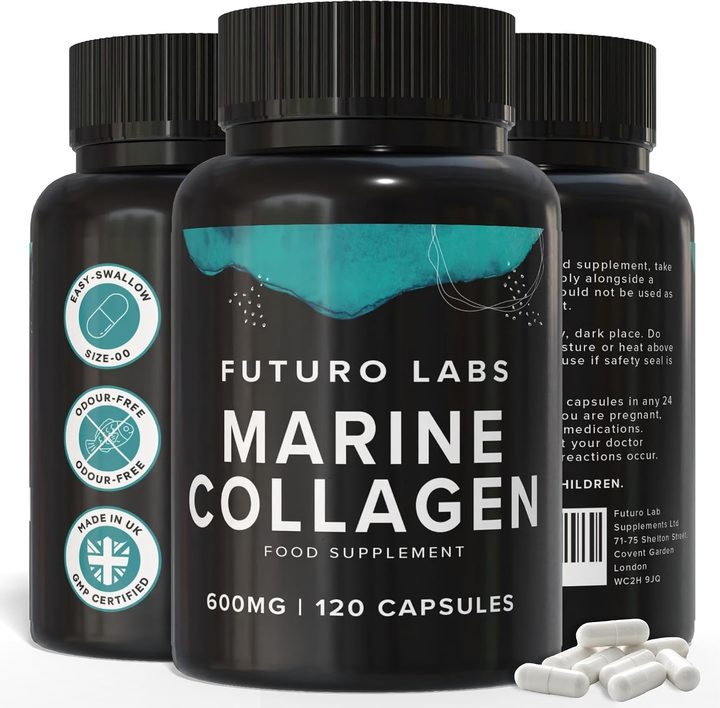
Our brand: the worked example on this page
Futuro Labs Marine Collagen
- 28p a day
- 120 capsules, 2 capsules daily
- Lab tested
- Made in the UK
Run through the five real lines: Futuro Labs Marine Collagen on Amazon UK, 1200mg hydrolysed type 1 marine, stated species class, heavy-metal and microbiology panels passed, UK GMP, £16.99 for 60 days at 28p. Full label breakdown. The ten buying checks live on the top-10 page; the bovine halo audit on the bovine page.
Quality operationalised: the five lines a laboratory could actually check
Highest quality is a superlative that means nothing until quality is operationalised, so define it as the five things a laboratory could actually verify. Line one, identity and dose: the tub contains hydrolysed collagen of the stated type at the stated grams, which is less trivial than it sounds, because crude protein testing measures nitrogen and nitrogen can be gamed, the protein industry's known history of nitrogen-spiking being exactly why serious verification uses peptide-specific and amino-acid-profile methods rather than a single crude number, and why a certificate that names its method outranks one that names a percentage. Line two, purity: heavy metals panels, lead, mercury, arsenic, cadmium, especially pertinent to marine raw material, plus microbiology, the pathogen and mould counts, both passed per batch and shown. Line three, traceability: species or source class named, country of origin stated, a batch identity connecting the tub in your hand to the certificate on the site. Line four, honest dating: manufacture and best-before with real runway. Line five, manufacturing standard: GMP or equivalent, the system that makes lines one to four repeatable rather than lucky. Five lines, all checkable, none aesthetic, and together the entire operational meaning of the word this page's question used.
What quality is not: the daltons premium and the halo shelf, decoded
The premium shelf sells quality by different vocabulary, and the decode is this page's second job. The daltons pitch first, because it sounds the most scientific: low molecular weight, nano-hydrolysed, 2000-dalton peptides, numbers implying a superior tier of smallness, and the honest reading is that low molecular weight is what hydrolysed means, every commercial hydrolysate landing in the low-thousands-of-daltons range by definition of the process, absorption of such peptides being already good across that range, and, decisively, no outcome trial anywhere rewarding one dalton figure over another, which files the printed number as a specification restated as a selling point, table stakes dressed as a tier. The halo shelf follows the same pattern: grass-fed and pasture-raised, the bovine aisle's favourite unaudited premium unless actually certified; wild-caught versus farmed for marine, a sourcing story with no demonstrated product difference and the testing panel doing the work either way; type counts and multi-source blends, priced and declined on their own pages; and the pouch itself, matte, botanical, heavy-stock, the most expensive quality signal that certifies nothing. The operational rule that survives all of it: quality claims that a lab could check are checked, quality claims only a photographer could check are declined, and the price is divided after, pence per 10g or per day, because the highest quality collagen at twice the fair price is answering a question nobody asked.
| The claim | Checkable? | The verdict |
|---|---|---|
| Stated type and grams, method-named verification | Yes: peptide-specific beats crude nitrogen | Line one of real quality |
| Heavy metals and microbiology, per batch | Yes: the panels, shown | Line two: non-negotiable, marine especially |
| Species, origin, batch identity, dates | Yes: traceability and runway | Lines three and four |
| GMP manufacture | Yes: the system behind repeatability | Line five |
| Low molecular weight, dalton figures | It is what hydrolysed means | Table stakes dressed as a tier: no outcome rewards a number |
| Grass-fed, wild-caught, type counts, the pouch | Only by a photographer | Halos: declined, then the price divided |
The verdict, and the superlative earned by certificates rather than adjectives
What is the highest quality collagen on the market: whichever product passes the five checkable lines, verified identity and dose by a named method, passed purity panels, real traceability, honest dating and GMP manufacture, at a fair division, a definition that crowns certificates rather than adjectives and that the daltons figures, sourcing halos and beautiful pouches never touch, no outcome having ever rewarded any of them. This site's worked example is published against exactly those lines: Futuro Labs Marine Collagen, 1200mg hydrolysed type 1 marine with the source class stated, independently lab tested with heavy-metal and microbiology panels passed, UK made under GMP, dated, £16.99 for 60 days at 28p a day, quality spent where a laboratory can find it, which is the only market this page recognises.
What to check on the label
- Quality is five checkable lines: identity, purity, traceability, dating, GMP.
- Name the verification method: peptide-specific beats crude nitrogen numbers.
- Daltons are table stakes: low molecular weight is what hydrolysed means.
- Halos are photographer-checkable only: grass-fed, wild-caught, the pouch.
- Divide the price last: quality at twice fair price answers nothing.
Our brand
The worked example: Futuro Labs Marine Collagen
Futuro Labs Marine Collagen: 2 capsules daily, 1200mg hydrolysed type 1 marine collagen with 12mg vitamin C and 1.5mg zinc (15% NRV each), 120 capsules for £16.99, 60 days at 28p a day, lab-tested, UK GMP made. Slim veggie-shell capsules, odour free. Fish derived: pescatarian, not vegetarian or vegan.
- Collagen per serving
- 1200mg hydrolysed type 1 marine (fish)
- Co-factors
- vitamin C 12mg (15% NRV), zinc 1.5mg (15% NRV)
- Serving
- 2 capsules a day
- Bottle
- 120 capsules, 60 days
- Price
- £16.99 (28p a day)
- Capsule
- slim size 00, veggie shell, odour free
Questions people also ask
How do I identify genuinely high quality collagen?
By the five checkable lines: verified identity and dose, passed heavy-metal and microbiology panels, named source and batch, honest dating, and GMP manufacture, then a fair price division.
Does molecular weight matter in collagen?
Only as the definition of hydrolysed: every commercial hydrolysate is low molecular weight, absorption is good across the range, and no outcome trial rewards one dalton figure over another.
Why does the testing method matter, not just the protein number?
Crude protein testing measures nitrogen, which the industry's history shows can be gamed: peptide-specific and amino-acid-profile verification actually confirms collagen at the stated dose.
Is grass-fed or wild-caught collagen higher quality?
Not demonstrably: they are sourcing stories, unaudited unless certified, and the purity panels do the safety work either way. Check what a lab can check.
What does the worked example show for these five lines?
Stated type and dose, marine source class named, independent heavy-metal and microbiology panels passed, dated bottles, UK GMP manufacture: 28p a day with the certificates doing the talking.
Sources
- Futuro Labs Marine Collagen listing and label: 1200mg hydrolysed type 1 marine collagen per 2-capsule serving with 12mg vitamin C and 1.5mg zinc at 15% NRV each, 120 capsules, independently lab tested, UK made. https://www.amazon.co.uk/dp/B0C2J7N364
- The collagen peptide trial literature: randomised controlled studies of hydrolysed collagen supplementation across skin, joint and connective-tissue outcomes, typically at 2.5g to 15g daily, with small effects and frequent industry funding. PubMed record
- EFSA Panel on Dietetic Products, Nutrition and Allergies. Scientific Opinion on the substantiation of health claims related to magnesium. EFSA Journal 2010;8(10):1807. https://efsa.onlinelibrary.wiley.com/doi/10.2903/j.efsa.2010.1807
- EFSA Panel on Dietetic Products. Scientific opinion on Dietary Reference Values for fats: Adequate Intake of 250mg combined EPA and DHA per day for adults. EFSA Journal 2010;8(3):1461. https://www.efsa.europa.eu/en/efsajournal/pub/1461