Ghost Fitness/Omega-3/What are the side effects of omega-3 liver?
What are the side effects of omega-3 liver?
The short answer
None found. The liver file for omega-3 runs the other way from the question: meta-analyses of trials in non-alcoholic fatty liver disease report modest reductions in liver fat and enzymes at two to four grams a day, an effect studied as a possible treatment, and no trial shows liver harm from omega-3. The one liver caution is the vitamin A in cod liver oil, against a 3000 microgram upper level. Liver disease takes the dose with a hepatologist.
- Harm foundnone: no trial or cohort shows liver damage or raised liver enzymes from omega-3 at supplement doses
- Studied as a treatmentnon-alcoholic fatty liver disease: modest reductions in liver fat and enzymes at two to four grams a day over months
- The one liver cautionvitamin A in cod liver oil: hundreds of micrograms a capsule; 3000 micrograms the upper level; liver damage above it
- The reader with liver diseasethe dose with a hepatologist; a body oil with no vitamin A
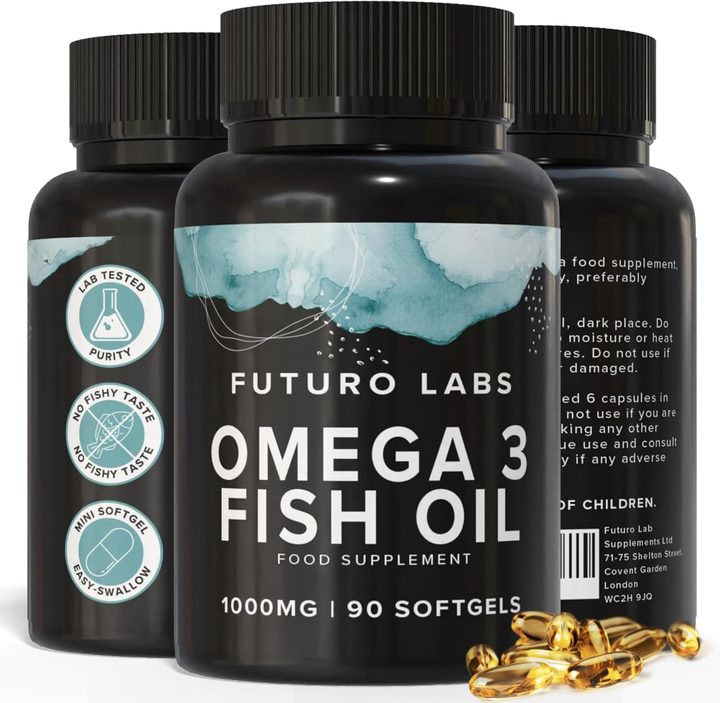
Our brand: the worked example on this page
Futuro Labs Omega 3 Fish Oil
- 17p a day
- 90 softgels, 1 softgel daily
- Lab tested
- Made in the UK
A body oil with no vitamin A, the liver caution avoided: Futuro Labs Omega 3 Fish Oil on Amazon UK, 1 softgel with food, 180mg EPA and 120mg DHA, 90 for £14.99 at 17p. Full label breakdown. The kidney file, graded the same way, is on the kidney page; cod liver oil versus fish oil on the cod liver oil page.
None found, and the liver file that looked for help and found some
What are the side effects of omega-3 on the liver is a question this careful-claims page answers with a finding that runs the other way from the question, as the kidney page did, because the liver file for omega-3 is a file in which fish oil was studied as a possible help for a liver condition and never identified as a harm to the organ, and the honest page grades that file without turning it into a claim. The harm side: no trial or cohort has linked omega-3 intake or supplementation to liver damage, raised liver enzymes, fatty liver or any hepatic adverse event, the cardiovascular outcome trials that gave a gram a day for years to tens of thousands of adults recording no liver signal, the shorter trials up to five grams recording none, and the pharmacovigilance record over decades showing the gut effects, the antiplatelet note and the high-dose atrial fibrillation signal and nothing hepatic, so the answer to the question as asked is none found, and a reader who has learned to fear supplements for the liver, a fear that the curcumin pages justify for high-absorption turmeric, can set it down for this one. The other side: non-alcoholic fatty liver disease, the fat-laden liver of the overweight and the metabolically unwell, has been the subject of many omega-3 trials, and meta-analyses of them report modest reductions in liver fat measured by imaging and in liver enzymes at two to four grams of EPA and DHA a day over months, an effect that is real, small and inconsistent enough that omega-3 is not a standard treatment, the standard treatments being weight loss, less alcohol and the metabolic medicines, and an effect a hepatologist knows and a patient discusses with one, not a claim and not printed on any label.
The one liver caution on the shelf, which is vitamin A and not omega-3, the LDL note, the reader with liver disease, and the file filed
The one liver caution on the fish oil shelf is real and belongs to a different molecule: a cod liver oil is a liver oil, and livers store vitamin A, so each capsule or teaspoon carries hundreds of micrograms of preformed vitamin A, retinol, alongside its omega-3 and vitamin D, and preformed vitamin A has an adult upper level of 3000 micrograms a day above which, sustained, liver damage is the recognised risk, the vitamin A advice's figure, so a cod liver oil taken at several capsules a day, or stacked with a multivitamin's vitamin A or a separate vitamin A supplement, is the one way a product on the fish oil shelf can harm a liver, and the harm is the vitamin A's, avoided entirely by a body-oil fish oil, which carries none, the fish oil and vitamins page's caution and the reason every worked example here is a body oil. The LDL note is a lipid effect rather than a liver one but sits nearby: at the triglyceride-lowering doses of two grams and more, some people see a modest rise in LDL cholesterol, a lipid panel finding a GP watches and not a liver injury. The reader with liver disease, cirrhosis, hepatitis or advanced fatty liver, takes any supplement with a hepatologist's knowledge as a matter of routine, and for omega-3 that conversation is usually short, the fat being metabolised without hepatic strain and the fatty liver file being, if anything, a reason to consider it, with the dose decided there and the source a body oil so that vitamin A is not in the picture, and with the honest note that a reader whose liver disease raises their bleeding risk hears the antiplatelet note beside it. The file filed: no liver side effects found for omega-3, a file in which fish oil was studied as a possible treatment for fatty liver and found modestly helpful at two to four grams, the one liver caution being the vitamin A in cod liver oil against a 3000 microgram upper level, the LDL note at high doses, and liver disease taking the dose with a hepatologist, with the worked example being a body oil with no vitamin A, one softgel at 17p, £14.99 for 90.
| The item | The finding | The grade |
|---|---|---|
| Liver harm | No trial or cohort links omega-3 to liver damage or raised enzymes | None found |
| Fatty liver disease | Meta-analyses: modest reductions in liver fat and enzymes at two to four grams over months | Studied as a treatment; not standard; a hepatologist's conversation; no claim |
| The one liver caution | Vitamin A in cod liver oil: hundreds of micrograms a capsule; 3000 micrograms the upper level | A body oil avoids it entirely |
| The LDL note | A modest rise in some people at two grams and more | A lipid panel finding, not a liver injury |
| Liver disease | The dose with a hepatologist; the antiplatelet note if bleeding risk is raised | Routine, not danger |
| The comparison | High-absorption curcumin has liver case reports; omega-3 has none | The fear belongs elsewhere |
The verdict, no liver harm, a file that looked for help, and a caution that belongs to vitamin A
What are the side effects of omega-3 on the liver: none found, the liver file running the other way from the question, omega-3 having been studied as a possible treatment for non-alcoholic fatty liver disease with meta-analyses reporting modest reductions in liver fat and enzymes at two to four grams a day, and no trial or cohort showing liver harm at supplement doses, with the one liver caution on the fish oil shelf belonging not to the omega-3 but to the preformed vitamin A in cod liver oil against a 3000 microgram upper level, the LDL note at high doses being a lipid finding rather than a liver injury, and a reader with liver disease taking the dose with a hepatologist in a body oil that carries no vitamin A. A body oil with no vitamin A: Futuro Labs Omega 3 Fish Oil, one softgel with food, 180mg EPA and 120mg DHA, 90 for £14.99 at 17p a day.
What to check on the label
- Expect no liver side effect: none found in trials or cohorts.
- Read the liver file as a treatment file: fatty liver, modest, no claim.
- Put the caution where it belongs: vitamin A in cod liver oil.
- Choose a body oil: no vitamin A at all.
- Take liver disease to a hepatologist: a short conversation, a body oil.
Our brand
The worked example: Futuro Labs Omega 3 Fish Oil
Futuro Labs Omega 3 Fish Oil: 1 softgel daily with food, 1000mg fish oil providing 180mg EPA and 120mg DHA (300mg combined), 90 softgels for £14.99, 17p a day, lab-tested purity, UK GMP made. Gelatin shell, so not vegetarian.
- Fish oil per softgel
- 1000mg
- EPA / DHA per softgel
- 180mg / 120mg (300mg combined)
- Serving
- 1 softgel a day
- Bottle
- 90 softgels, 90 days
- Price
- £14.99 (17p a day)
- Softgel
- mini softgel, no fishy taste
Questions people also ask
Is fish oil bad for your liver?
No evidence says so: no trial or cohort links omega-3 to liver damage or raised liver enzymes at supplement doses, the outcome trials at a gram a day for years recording no liver signal, and the liver file being one in which fish oil was studied as a possible treatment for fatty liver rather than identified as a harm.
Does omega-3 help fatty liver?
Modestly, in trials at two to four grams of EPA and DHA a day over months, which meta-analyses find reduce liver fat on imaging and liver enzymes, an effect studied as a possible treatment, not a standard one and not a claim, with weight loss, less alcohol and the metabolic medicines being the standard treatments a hepatologist prescribes.
Can cod liver oil damage the liver?
Through its vitamin A: a cod liver oil carries hundreds of micrograms of preformed vitamin A a capsule, and sustained intake above the 3000 microgram adult upper level risks liver damage, so several capsules a day or a stack with a multivitamin's vitamin A is the one way a product on the fish oil shelf harms a liver, avoided entirely by a body oil.
Can I take omega-3 if I have liver disease?
Usually, with a hepatologist's knowledge: omega-3 is metabolised without hepatic strain, the fatty liver file is if anything a reason to consider it, the dose is decided with the specialist, the source is a body oil so vitamin A is not in the picture, and a raised bleeding risk brings the antiplatelet note into the conversation.
Which supplement actually has liver case reports?
High-absorption curcumin, particularly formulations with piperine, which the turmeric pages describe, not omega-3, which has no liver injury reports at supplement doses and no liver signal in trials lasting years.
Sources
- Meta-analyses of omega-3 supplementation in non-alcoholic fatty liver disease: modest reductions in liver fat and liver enzymes at two to four grams a day over months, an effect studied as a possible treatment, with no evidence of liver harm from omega-3 at supplement doses. PubMed record
- The cod liver oil and vitamin A literature: cod liver oil carries preformed vitamin A at hundreds of micrograms per teaspoon or capsule, the adult upper level for preformed vitamin A being 3000 micrograms a day and pregnancy advice being to avoid liver oils, so a cod liver oil stacked with a multivitamin or a vitamin A supplement is the one combination in which a fish oil can push a vitamin over its limit. https://www.gov.uk/government/publications/sacn-vitamin-a-and-health
- The large cardiovascular outcome trials of omega-3: around a gram a day of EPA and DHA in primary-prevention populations produced no meaningful reduction in major cardiovascular events, while four grams of purified EPA in people with raised triglycerides on statins reduced events in one large trial, so the supplement-dose story is maintenance and the treatment-dose story is a prescription. PubMed record
- Meta-analytic evidence on omega-3 fatty acids and LDL cholesterol: triglyceride lowering is the consistent effect, with LDL unchanged or modestly raised, particularly with DHA-containing preparations. PubMed record