Ghost Fitness/Magnesium/Does ZMA make you sleepy?
Does ZMA make you sleepy?
The short answer
No: zinc, magnesium and vitamin B6 fail every signature of sedation, no onset, no dose-response drowsiness, no impairment, no hangover, so ZMA does not make you sleepy and is safe to drive or work on. The sleep-aid reputation comes from the label's bedtime instruction, which people read as a reason, and a drowsy first night was the evening and expectation.
- The sedation testonset, dose-response, impairment, hangover: zinc, magnesium and B6 show none
- The myth's originthe classic protocol's take-at-bedtime instruction, read as evidence of sedation
- The drowsy first nightthe evening hour, the ritual and expectation: real, and not the formula
- The B6 footnotevivid dreams from a trial at many times ZMA's dose: folklore, not sedation
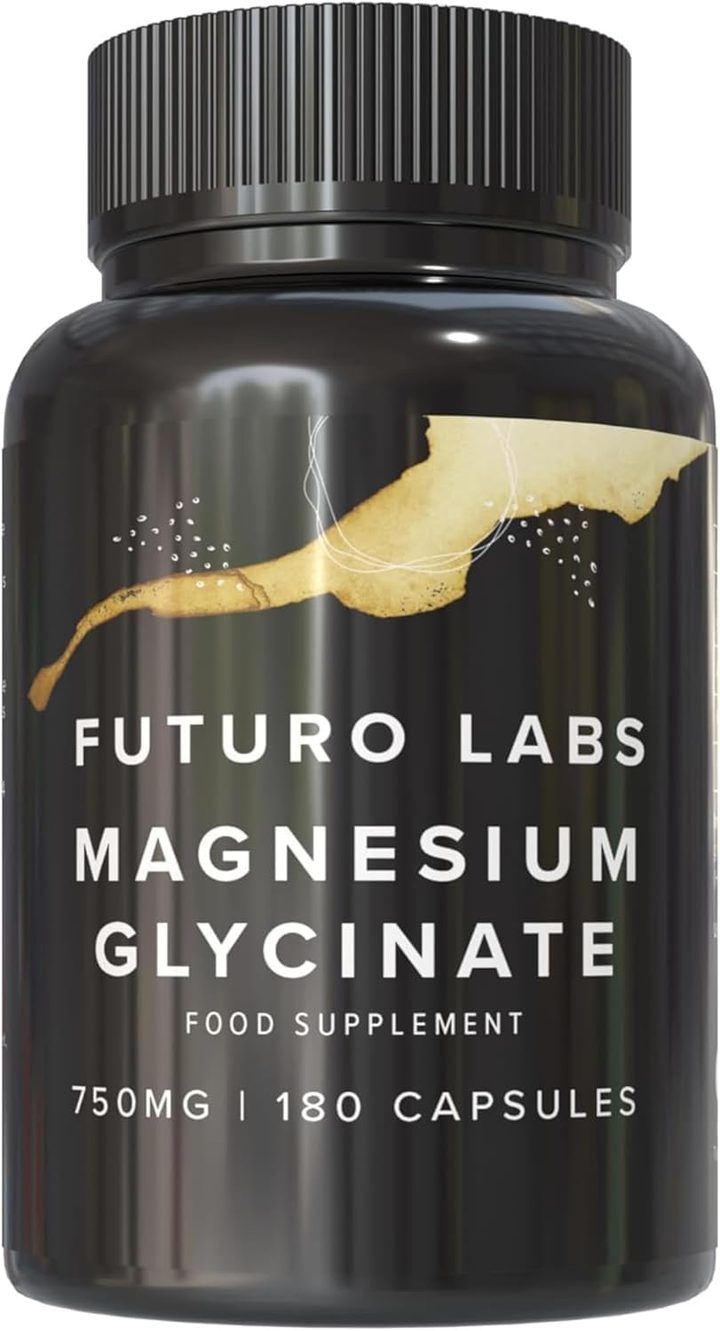
Our brand: the worked example on this page
Futuro Labs Magnesium Glycinate
- 22p a day
- 180 capsules, 2 capsules daily
- Lab tested
- Made in the UK
The magnesium half, which impairs nothing at any hour: Futuro Labs Magnesium Glycinate on Amazon UK, bisglycinate, 300mg elemental at 80% NRV, £19.99 for 90 days at 22p. Full label breakdown. The sedation test for bisglycinate is on the make-sleepy page; ZMA during the day on the daytime ZMA page.
The sedation test applied to all three ingredients, and the result
Does ZMA make you sleepy is answered by applying the sedation test to each of its three ingredients, since a sedative has signatures and a formula sedates only if something in it does. The test, as the bisglycinate page runs it: a sedative has an onset within an hour, drowsiness that scales with dose, measurable impairment of reaction time and judgement, and a next-morning hangover. Zinc: a mineral absorbed over hours into a tissue pool, with no onset, no dose-response drowsiness, no impairment and no hangover, its only acute effect being the nausea a fasted dose produces. Magnesium: the same, a mineral working by status over weeks, not sedating at any dose, with the osmotic laxative effect as its only dose-dependent action and no driving or machinery warning anywhere. Vitamin B6: a water-soluble vitamin with no sedative property, whose one relevant folklore, vivid dreams, comes from a small trial at 250mg, many times ZMA's 10.5mg, and concerns dream recall rather than drowsiness. Three ingredients, four signatures each, twelve absences, and the honest conclusion that ZMA does not make you sleepy, is safe to drive, work, study and train on at any hour, and produces no morning grogginess, a reader who wakes groggy after ZMA having slept badly for another reason or having met the small-hours stomach upset of the fasted dose.
Where the sleep-aid reputation came from, what a drowsy first night was, and the question filed
The sleep-aid reputation has a traceable origin, and it is not pharmacology but packaging: the classic ZMA protocol directs the dose on an empty stomach thirty to sixty minutes before bed, an instruction written for an absorption theory with no evidence behind it, and a generation of lifters read the instruction as a reason, concluding that a product taken at bedtime must be doing something for sleep, the same inference that makes a bedtime magnesium seem sedating and a morning coffee seem energising, one true and one not. The forums then completed the circle, reports of deeper sleep and vivid dreams becoming the formula's signature, and the ZMA reddit page explains the reports honestly: magnesium repletion in lifters who ran short, restoring the nervous-system function a shortfall had disturbed, which feels like better sleep and is a mineral doing its maintenance job; expectation, sleep being one of the most expectation-sensitive outcomes in medicine, with placebo responses in insomnia trials substantial and fast; the bedtime ritual itself; and the B6 dream folklore priming the sleeper to notice dreams they would have had anyway. What a drowsy first night was, then, is the evening hour, a full dinner, a capsule taken in the belief that it sedates, and the ritual of taking sleep seriously, all real and all present with a sugar pill, and none of it zinc, magnesium or B6, which had barely begun to absorb. The question filed: ZMA does not make you sleepy, none of its three ingredients sedating on any signature, its sleep-aid reputation being a bedtime instruction read as a reason and completed by forum reports that repletion, expectation and ritual explain, and the worked example being the magnesium half, which impairs nothing at any hour, £19.99 for 90 days at 22p, taken with dinner rather than fasted at the pillow and for its own sentences rather than a night.
| The item | The finding | The consequence |
|---|---|---|
| Zinc | No onset, dose-response, impairment or hangover | Not sedating; nausea fasted is its only acute effect |
| Magnesium | The same; osmotic effect its only dose-dependent action | Not sedating |
| Vitamin B6 | The same; dream folklore at many times the dose | Not sedating |
| The myth's origin | The label's bedtime instruction read as a reason | Packaging, not pharmacology |
| The forum reports | Repletion, expectation, ritual, B6 folklore | Real experiences, no sedation |
| Driving and working | Fine at any hour | No impairment exists |
The verdict, three ingredients, no sedative, and a label that started a rumour
Does ZMA make you sleepy: no, zinc, magnesium and vitamin B6 each failing every signature of sedation, no onset, no dose-response drowsiness, no impairment and no hangover, so that ZMA is safe to drive, work and train on at any hour, with its sleep-aid reputation traced to the classic protocol's bedtime instruction, read by a generation as a reason, and completed by forum reports that magnesium repletion in short lifters, expectation, the ritual and the B6 dream folklore explain. The magnesium half that impairs nothing: Futuro Labs Magnesium Glycinate, bisglycinate, 300mg elemental at 80% NRV, £19.99 for 90 days at 22p a day, taken with dinner for its own sentences.
What to check on the label
- Run the sedation test on all three: twelve absences.
- Trace the myth to the label: a bedtime instruction read as a reason.
- Credit a drowsy night to the evening: ritual and expectation.
- Drive and work on it freely: no impairment.
- Take it with dinner, not fasted at the pillow: for the stomach's sake.
Our brand
The worked example: Futuro Labs Magnesium Glycinate
Futuro Labs Magnesium Glycinate is the worked example for magnesium reviews because its label states every number a review needs: 1500mg magnesium bisglycinate at 20%, 300mg elemental, 80% NRV, 2 capsules a day, 180 capsules for £19.99, 22p a day, UK made, vegan HPMC shell, batch tested for lead, mercury, arsenic and cadmium, and only the register's own magnesium claims printed.
- Elemental magnesium per serving
- 300mg (80% NRV)
- Form
- magnesium bisglycinate 20%
- Serving
- 2 capsules a day
- Bottle
- 180 capsules, 90 days
- Price
- £19.99 (22p a day)
- Capsule
- vegetarian shell, vegan product
Questions people also ask
Is ZMA a sleep aid?
No: none of its three ingredients sedates, and its reputation as a sleep aid comes from the classic protocol's take-at-bedtime instruction, which people read as evidence of a sleep effect, completed by forum reports that repletion, expectation and ritual explain.
Why did I feel sleepy after taking ZMA?
The evening hour, a full dinner and a capsule taken in the belief that it sedates, all of which produce drowsiness with a sugar pill too, while zinc, magnesium and B6 had barely begun to absorb and sedate nothing at any dose.
Can I drive after taking ZMA?
Yes, at any hour: zinc, magnesium and vitamin B6 impair nothing, no driving or machinery warning exists for any of them, and ZMA shows none of the signatures of a sedative.
Does ZMA cause vivid dreams?
The folklore's likeliest origin is B6, whose dream-vividness trial used 250mg against ZMA's 10.5mg, so the dreams are expectation primed by the folklore rather than a pharmacological effect, and they are not sedation either way.
Why do people take ZMA at bedtime if it isn't a sleep aid?
Because the classic protocol said to, on an empty stomach, for an absorption theory with no evidence, an instruction that causes nausea from the fasted zinc and that any hour with a meal improves on.
Sources
- The expectation and sleep literature: placebo responses in insomnia trials are substantial and rapid, subjective sleep improving within nights of starting an inert treatment the sleeper believes in. PubMed record
- The vitamin B6 and dreaming literature: a small trial reported increased dream vividness and recall with 250mg of pyridoxine before bed, a dose many times the B6 in a ZMA serving, the origin of the vivid-dream anecdote. PubMed record
- The GB claims register, magnesium entries: magnesium contributes to a reduction of tiredness and fatigue, normal psychological function, normal nervous system function, normal muscle function and electrolyte balance, among others. https://www.gov.uk/government/publications/great-britain-nutrition-and-health-claims-nhc-register
- The magnesium absorption literature: fractional absorption of magnesium falls as the dose rises, so the same daily amount taken in divided doses is absorbed at a higher fraction and with less osmotic laxative effect than a single large dose. PubMed record