Ghost Fitness/Magnesium/Should I take magnesium glycinate before working out?
Should I take magnesium glycinate before working out?
The short answer
No: there is no reason to take magnesium glycinate before working out, because it has no acute effect on performance. Take it daily with the evening meal instead. Pre-session, the things that work are food, fluids, caffeine and daily creatine.
- 0acute performance effects from a pre-workout magnesium dose
- Dailythe schedule the trials actually rewarded
- Weekshow long the mechanism, corrected intake, takes to matter
- 22pa day at dinner, where the serving belongs
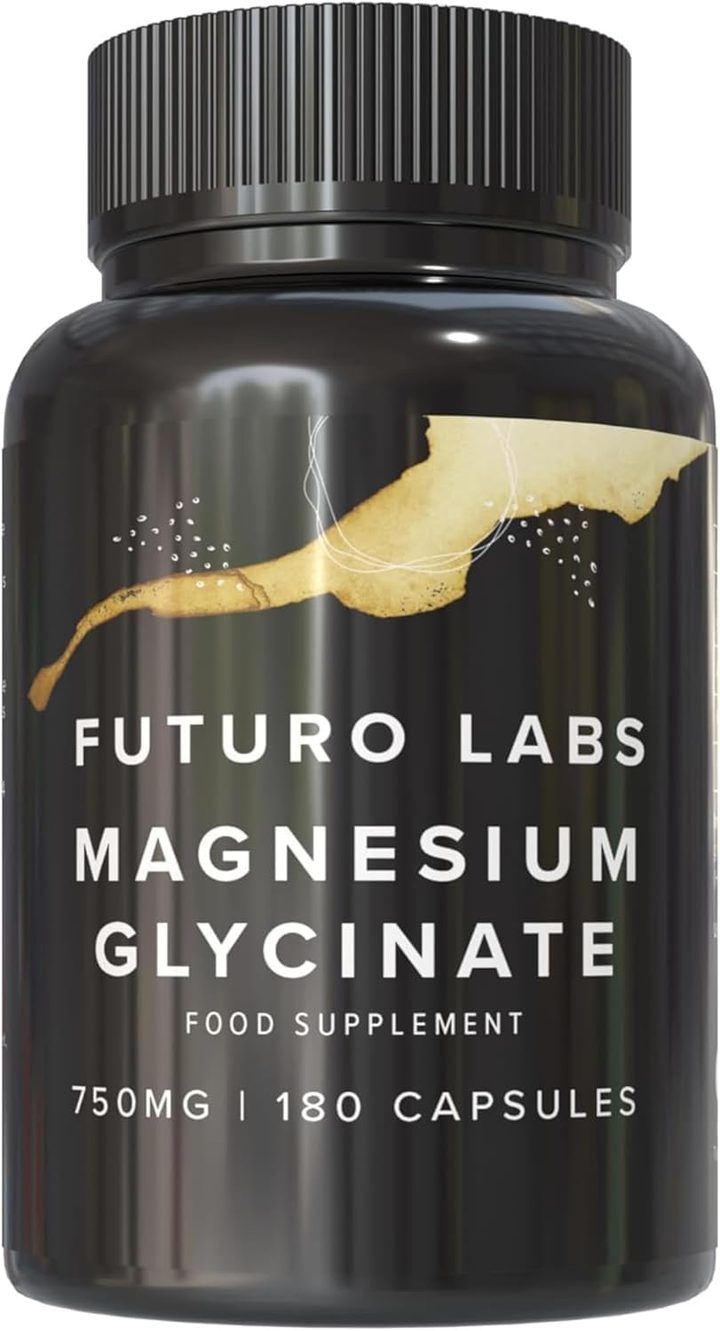
Our brand: the worked example on this page
Futuro Labs Magnesium Glycinate
- 22p a day
- 180 capsules, 2 capsules daily
- Lab tested
- Made in the UK
The daily serving: Futuro Labs Magnesium Glycinate on Amazon UK, 300mg elemental per 2 capsules, £19.99 for 180. Label breakdown. The general timing page is when to take magnesium glycinate; the recovery dose on glycinate for muscle repair.
Why the pre-workout slot buys nothing
Magnesium is not an ergogenic acute: it does not raise power, delay fatigue or sharpen focus in the hour after a dose, because its job is enzymatic adequacy, hundreds of reactions running normally when intake is sufficient over weeks. The trials that found athlete benefits, Setaro's performance study and Reno's soreness trial, dosed daily for days to weeks and measured later; none dosed pre-session, because there was no mechanism to test. The authorised claims agree in their grammar, contributions to normal muscle function, normal energy-yielding metabolism, reduction of tiredness and fatigue, all descriptions of a maintained state, not of a boost with a forty-minute onset. Swallowing the capsules in the car park delivers exactly what swallowing them at dinner delivers, minus the comfort of food.
Where the belief comes from, and the one practical note
The belief has two parents. Pre-workout formulas that sprinkle magnesium into caffeine blends, teaching by association that the mineral belongs in the shaker; the caffeine is doing the felt work. And the cramp logic, magnesium for training cramps, therefore magnesium before training, which fails because mid-session cramps are a fatigue-and-conditioning story and any intake contribution was set by the last month of dinners, not the last hour. The one practical note runs the other way: a full 300mg on an empty pre-training stomach sits heavier than the same dose inside a meal, and for a minority prompts the mild gut awareness nobody wants under a barbell, one more small reason the pre-workout slot is the worst of the day's options rather than a neutral one.
| Pre-workout input | Acute effect? | The honest protocol |
|---|---|---|
| A carbohydrate-containing meal, 1 to 3 hours out | Yes: fuel for the session | The biggest legal performance aid there is |
| Fluids through the day | Yes: dehydration measurably costs reps | Water, salted meals after sweaty sessions |
| Caffeine, for those who use it | Yes: the one supplement with real acute evidence | Timed early enough to spare sleep |
| Creatine 3g to 5g | No acute effect, but daily saturation performs | Any time of day, every day |
| Magnesium glycinateOurs | None | Daily with dinner; not a shaker ingredient |
| Pre-workout blends with magnesium | The caffeine works; the magnesium decorates | Judge them as caffeine products and dose accordingly |
The routine that actually serves training, and the verdict
Give magnesium the schedule the evidence rewards: Futuro Labs Magnesium Glycinate, 2 capsules with the evening meal, 300mg elemental at 80% NRV from bisglycinate at 20%, every day of the block including rest days, vegan, UK made under GMP and BRC, panels shown, £19.99 for 180 capsules, 22p a day, judged over a month on the low-intake cluster, tiredness, cramps, twitching, restless sleep. On training days nothing changes: the session is fuelled by the meal before it, hydrated by the day around it, and sharpened, if you like, by caffeine, while the mineral's contribution was banked at last night's dinner. Should I take magnesium glycinate before working out: no, and the freedom in that answer is the point, one fewer ritual, the same result.
What to check on the label
- No acute effect exists: nothing to gain in the pre-workout hour.
- The trials dosed daily and measured over weeks: copy them.
- The felt lift in magnesium pre-workouts is the caffeine.
- Empty-stomach pre-training doses sit heavier: dinner is more comfortable.
- Pre-session rewards food, fluids, caffeine and daily creatine.
Our brand
The worked example: Futuro Labs Magnesium Glycinate
Futuro Labs Magnesium Glycinate is a dinner product by design: 300mg elemental per 2 capsules (80% NRV) from bisglycinate 20%, daily including rest days, 22p a day from a £19.99 bottle of 180. Vegan, UK made, panels shown.
- Elemental magnesium per serving
- 300mg (80% NRV)
- Form
- magnesium bisglycinate 20%
- Serving
- 2 capsules a day
- Bottle
- 180 capsules, 90 days
- Price
- £19.99 (22p a day)
- Capsule
- vegetarian shell, vegan product
Questions people also ask
Does magnesium before a workout improve performance?
No: there is no acute effect. The athlete trials that found benefits dosed daily for weeks in people whose intake had been low.
Why do pre-workout supplements contain magnesium?
Label decoration alongside caffeine, which supplies the felt effect. Judge those products as caffeine and dose the magnesium separately at dinner.
Can taking magnesium before the gym cause problems?
Rarely: a full dose on an empty stomach can sit heavily for a minority. It is the least comfortable slot for no benefit.
When should lifters take magnesium instead?
With the evening meal, daily: the most comfortable, most consistent slot, judged over a month.
What should I actually take before training?
A carbohydrate meal one to three hours out, fluids, caffeine if you use it, and creatine daily at any hour.
Sources
- Futuro Labs Magnesium Glycinate listing, Amazon UK, label and price checked 31 August 2026. https://www.amazon.co.uk/dp/B0BT7Z5VQW
- Setaro L, et al. Magnesium status and the physical performance of volleyball players: effects of magnesium supplementation. Journal of Sports Sciences 2014;32(5):438-445. PubMed record
- Reno AM, Green M, Killen LG, O'Neal EK, Pritchett K, Hanson Z. Effects of magnesium supplementation on muscle soreness and performance. Journal of Strength and Conditioning Research 2022;36(8):2198-2203. PubMed record
- Kreider RB, et al. International Society of Sports Nutrition position stand: safety and efficacy of creatine supplementation in exercise, sport, and medicine. Journal of the International Society of Sports Nutrition 2017;14:18. PubMed record
- EFSA Panel on Dietetic Products, Nutrition and Allergies. Scientific Opinion on the substantiation of health claims related to magnesium. EFSA Journal 2010;8(10):1807. https://efsa.onlinelibrary.wiley.com/doi/10.2903/j.efsa.2010.1807
- Expert Group on Vitamins and Minerals. Safe Upper Levels for Vitamins and Minerals. Food Standards Agency, 2003 (magnesium guidance level 400mg a day from supplements). https://cot.food.gov.uk/sites/default/files/vitmin2003.pdf