Ghost Fitness/Magnesium/What blocks magnesium absorption in the body?
What blocks magnesium absorption in the body?
The short answer
Nothing in a normal diet meaningfully blocks magnesium absorption. The real reducers are dose size, since big boluses absorb a smaller fraction, chronic alcohol, gut conditions and some medicines, long-term acid suppressants. Phytates, oxalates and calcium matter at the margins.
- Dose sizethe biggest self-inflicted reducer: big boluses absorb a smaller share
- The gut itselfconditions and surgeries: the biggest medical reducer
- Long-term PPIsthe regulator-flagged medicine reducer
- The marginswhere all the famous food blockers actually live
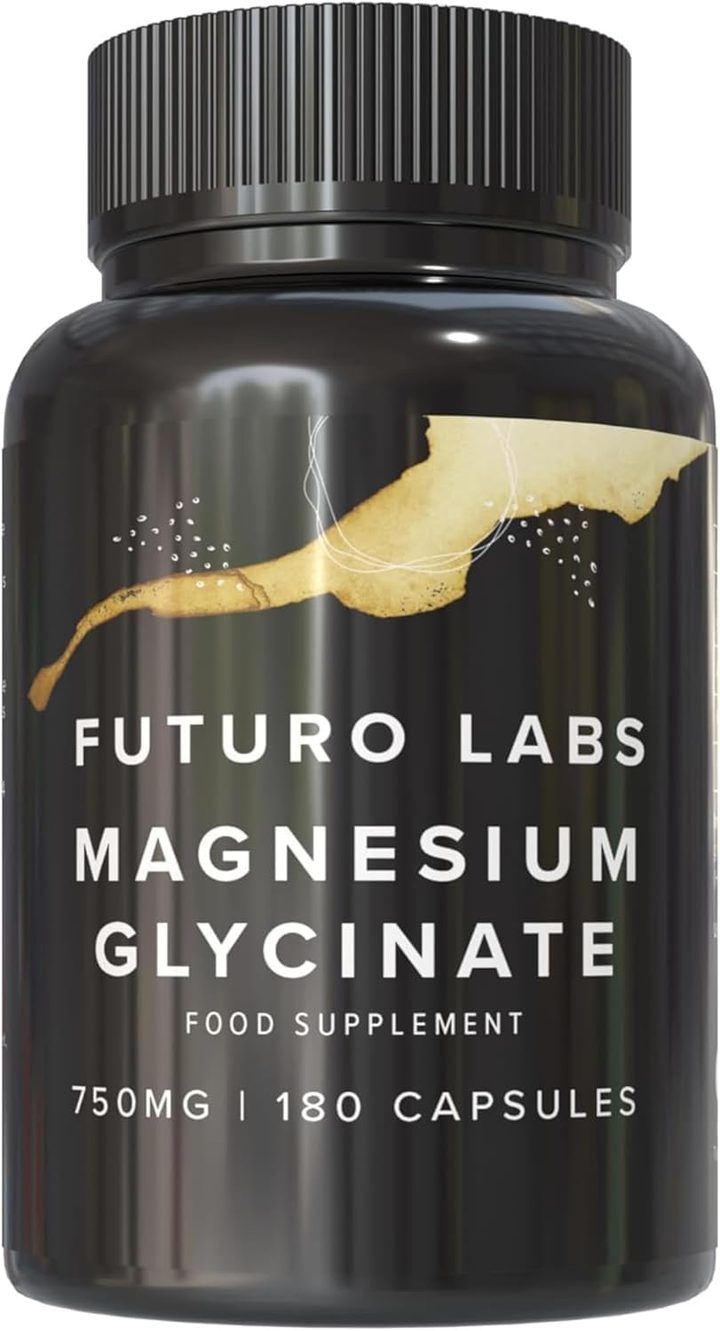
Our brand: the worked example on this page
Futuro Labs Magnesium Glycinate
- 22p a day
- 180 capsules, 2 capsules daily
- Lab tested
- Made in the UK
The absorption-friendly serving: Futuro Labs Magnesium Glycinate on Amazon UK, 300mg elemental per 2 capsules with food, £19.99 for 180. Label breakdown. The food-worry version is on what not to eat before glycinate; the dose journey on what happens to 300mg.
The reducers that actually move the number
Rank the influences on how much magnesium arrives and the top of the list is not food at all. Dose size leads: absorption is partly saturable, so fractional uptake falls as boluses grow, Firoz's data showing the gut admitting a smaller share of large doses, which is why 300mg daily beats 900mg occasionally and why megadosing defeats itself. The gut's own condition comes second: coeliac disease, Crohn's, chronic diarrhoea of any cause and intestinal surgery all cut absorption at the source, the population in whom deficiency is clinical rather than dietary, and where Schuette's work showed the chelate form holding up best. Chronic heavy alcohol works both ends, impairing uptake and multiplying urinary loss. And medicines finish the real list: long-term proton pump inhibitors carry the UK regulator's warning for depleting magnesium over months, while the binding interactions run the other way, magnesium blunting the drug rather than the reverse.
The marginal reducers, sized honestly, and the myths retired
The famous food blockers are real chemistry at irrelevant scale. Phytates in bran, beans and seeds bind minerals measurably in isolated studies and invisibly at meal scale, and the verdict writes itself when you notice those foods are magnesium's richest sources, net contributors by a wide margin. Oxalates in spinach mostly sequester the spinach's own minerals, not your capsule's. Calcium competes at large simultaneous supplemental doses, the reason very high-dose calcium earns a separate meal, and does nothing at dinner-dairy scale beside a chelate riding amino acid routes. Tannins in tea and coffee are an iron story that magnesium folklore borrowed. Fat, protein and fibre in a normal meal: the vehicle, not the obstacle. Low vitamin D gets mentioned in absorption threads and has the relationship backwards at supplement scale, magnesium enabling vitamin D's activation being the direction that matters, per Uwitonze's review.
| Influence | Effect size | What to do |
|---|---|---|
| Large single doses | Major: fractional absorption falls | Moderate daily servings, 300mg, not occasional grams |
| Gut conditions and surgery | Major, medical | Clinician-led; chelated forms held up best in the hard cases |
| Chronic heavy alcohol | Significant: uptake down, losses up | The habit, not tonight's glass, is the issue |
| Long-term PPIs (omeprazole family) | Significant over months; regulator-flagged | Prescriber conversation, not self-treatment |
| Very high-dose calcium supplements, same moment | Modest | Separate large doses by a meal |
| Phytates, oxalates, tannins, dairy at meal scale | Marginal to nil | Eat normally; these foods feed you magnesium |
| Taking it with food | Not a blocker: the design | With the evening meal, as directed |
Optimising the arriving fraction, and the serving built for it
Flip the audit into instructions and absorption optimises itself with three habits: moderate daily dosing instead of occasional heroics, a chelated form whose amino acid routes sidestep the mineral crowding, and food as the vehicle, which slows delivery into the steady trickle the transporters prefer. Everything else on the worry list either belongs to a doctor, gut disease, PPIs, heavy alcohol, or belongs in the bin, the dinner folklore. The serving built to those three habits: Futuro Labs Magnesium Glycinate, 2 capsules with the evening meal, 300mg elemental at 80% NRV from bisglycinate at 20%, vegan, UK made under GMP and BRC, panels shown, £19.99 for 180 capsules, 22p a day. What blocks magnesium absorption in the body: mostly your own dose size and your gut's health, occasionally your prescriptions, and almost never your dinner.
What to check on the label
- Dose size is the top blocker: big boluses absorb a smaller fraction.
- Gut conditions, surgery, heavy alcohol, long-term PPIs: the medical reducers.
- Phytates, oxalates, tannins, dairy: marginal at meal scale: those foods feed you magnesium.
- Very high-dose calcium earns a separate meal: ordinary dairy does not.
- Optimise with three habits: moderate daily dose, chelate form, taken with food.
Our brand
The worked example: Futuro Labs Magnesium Glycinate
Futuro Labs Magnesium Glycinate is built to the three absorption habits: a moderate 300mg elemental per 2 capsules (80% NRV), chelated as bisglycinate 20%, taken with dinner, 22p a day from a £19.99 bottle of 180. Vegan, UK made, panels shown.
- Elemental magnesium per serving
- 300mg (80% NRV)
- Form
- magnesium bisglycinate 20%
- Serving
- 2 capsules a day
- Bottle
- 180 capsules, 90 days
- Price
- £19.99 (22p a day)
- Capsule
- vegetarian shell, vegan product
Questions people also ask
Does coffee block magnesium absorption?
Not meaningfully: the tannin worry belongs to iron. Caffeine's only magnesium-adjacent issue is its distance from bedtime, for sleep.
Does calcium stop magnesium being absorbed?
Only large simultaneous supplemental doses compete modestly. Dinner dairy beside a 300mg chelate is a non-event.
Why does taking more magnesium absorb less?
Uptake is partly saturable: the transporters fill, and the paracellular route cannot compensate proportionally, so big boluses deliver a shrinking fraction.
Which medical conditions reduce magnesium absorption?
Coeliac disease, Crohn's, chronic diarrhoea and intestinal surgery, plus long-term acid suppressants by a different route. All are clinician territory.
How do I maximise magnesium absorption?
Moderate daily dosing at 300mg, a chelated form, and food as the vehicle: the three habits that beat every hack.
Sources
- Futuro Labs Magnesium Glycinate listing, Amazon UK, label and price checked 31 August 2026. https://www.amazon.co.uk/dp/B0BT7Z5VQW
- Firoz M, Graber M. Bioavailability of US commercial magnesium preparations. Magnesium Research 2001;14(4):257-262. PubMed record
- Schuette SA, Lashner BA, Janghorbani M. Bioavailability of magnesium diglycinate vs magnesium oxide in patients with ileal resection. Journal of Parenteral and Enteral Nutrition 1994;18(5):430-435. PubMed record
- Medicines and Healthcare products Regulatory Agency. Drug Safety Update, April 2012: proton pump inhibitors in long-term use, reports of hypomagnesaemia.
- Uwitonze AM, Razzaque MS. Role of magnesium in vitamin D activation and function. Journal of the American Osteopathic Association 2018;118(3):181-189. PubMed record
- Walker AF, Marakis G, Christie S, Byng M. Mg citrate found more bioavailable than other Mg preparations in a randomised, double-blind study. Magnesium Research 2003;16(3):183-191. PubMed record
- EFSA Panel on Dietetic Products, Nutrition and Allergies. Scientific Opinion on the substantiation of health claims related to magnesium. EFSA Journal 2010;8(10):1807. https://efsa.onlinelibrary.wiley.com/doi/10.2903/j.efsa.2010.1807