Ghost Fitness/Lion's mane/What are nootropics?
What are nootropics?
The short answer
Nootropics is a 1972 coinage for substances meant to enhance cognition safely, since drifted into a marketing category with no UK legal meaning. Today it spans caffeine and creatine, register nutrients, botanicals and fungi, and prescription medicines that aren't shopping.
- The origincoined by Corneliu Giurgea in 1972, from Greek for mind-turning
- The original criteriaenhance learning and memory, protect the brain, lack psychotropic effects and toxicity
- The legal statusno UK category: supplements obey the register, medicines need prescriptions
- What it covers todayfoods with real files, register nutrients, botanicals and fungi, medicines
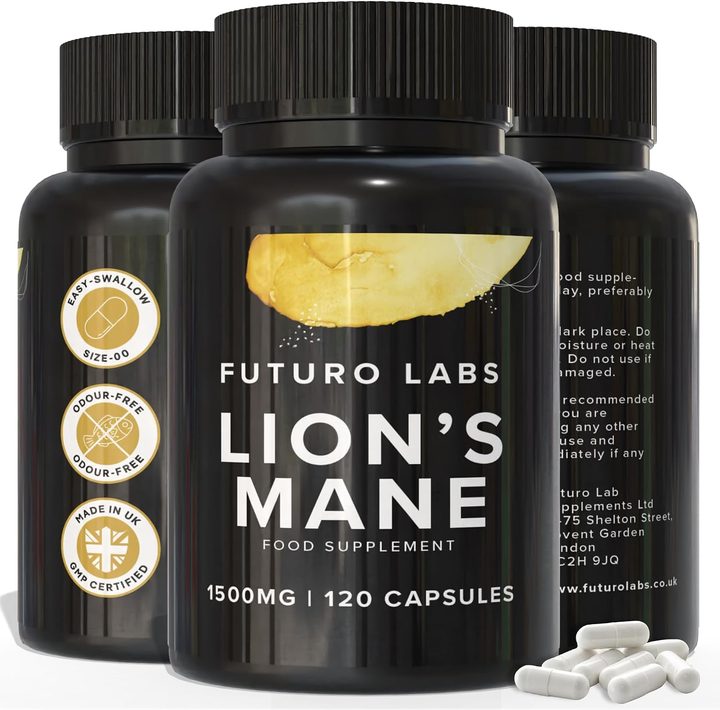
Our brand: the worked example on this page
Futuro Labs Lion's Mane
- 13p a day
- 120 capsules, 1 capsule daily
- Lab tested
- Made in the UK
A botanical-drawer nootropic, sold as one honestly: Futuro Labs Lion's Mane on Amazon UK, 5:1 fruiting body extract at 13p a day, no claims, studies described as studies. Full label breakdown. The four legal drawers are on the types page; the honest top five on the top-five page.
The word's origin and the five criteria it came with, which almost nothing sold under it passes
Nootropics is a word with a precise origin and an imprecise present, and the definition should start with the origin. The term was coined in 1972 by the Romanian pharmacologist Corneliu Giurgea, from Greek roots meaning mind and to bend or turn, to describe a proposed class of substances he was investigating, and he attached criteria to it: a nootropic should enhance learning and memory, should protect the brain against injury or disruption, should facilitate the transfer of information between brain regions, should lack the usual pharmacological effects of psychotropic drugs, the sedation, the stimulation, the motor effects, and should have very low toxicity and few side effects. Read those criteria against what is sold under the word today and the irony is immediate: caffeine, the aisle's one reliably effective substance, fails the no-stimulation criterion outright; the prescription drugs forum culture means by the word are psychotropics by definition; and the supplements that would pass the safety criteria, the botanicals and fungi, fail the enhancement criterion for lack of evidence, so almost nothing sold as a nootropic is one by its inventor's definition, the word having drifted from a pharmacological hypothesis into a shelf label. That drift is the second half of the definition: nootropic today means whatever a seller wants to associate with cognition, a marketing category rather than a scientific one, and, decisively for a UK buyer, a category the law does not recognise at all.
What the word covers in the UK today, sorted by the law rather than the marketing, and the definition closed
Because UK law has no nootropic category, the honest definition of what the word covers today is a sort by legal status, the types page's four drawers compressed. Foods with real files sold under the word: caffeine, with its established acute effect on alertness and attention; creatine, with an authorised performance claim and an emerging cognition file; DHA, holding the register's only brain-function sentence at 250mg, all lawful food supplements or kettle contents. Register nutrients: the B vitamins, iron, zinc, iodine and pantothenic acid, holding authorised cognitive, psychological and mental-performance claims as maintenance sentences that matter where diet falls short. Botanicals and fungi: lion's mane, bacopa, ginkgo, rhodiola, ashwagandha, all in the register's on-hold limbo with no authorised claims and human files ranging from thin to modest, lion's mane's two small studies among the thinnest, the drawer this section lives in and the one where flat-expectations bets are bought after the first two drawers are covered. And medicines and grey imports: modafinil and its relatives, prescription-only medicines lawfully supplied via GP and registered pharmacy, with online sellers unlawful and falsified stock documented, and the racetams and research stimulants of forum culture holding no UK authorisation as anything, the drawer that is not shopping. The definition closes with the honest sentence the word deserves: nootropics are a fifty-year-old pharmacological idea whose criteria almost nothing sold under the name meets, a marketing category the UK law does not recognise, and, for a buyer, a prompt to ask which legal drawer a product actually lives in, because that question, not the word, decides whether they are buying evidence, a claim, a bet, or something they should not, the worked example being a drawer-three product that says so on its label by claiming nothing at all.
| The item | The finding | The consequence |
|---|---|---|
| The origin | Giurgea, 1972: mind-turning | A pharmacological hypothesis, not a shelf |
| The criteria | Enhance cognition; protect the brain; no psychotropic effects; low toxicity | Caffeine fails one; medicines fail another; supplements fail on evidence |
| The drift | From hypothesis to marketing category | The word means association with cognition |
| UK legal status | No nootropic category exists | Sort by drawer: supplement, nutrient, botanical, medicine |
| The evidenced drawer | Caffeine, creatine, DHA; register nutrients by bloods | Where the aisle's real workers live |
| The bet drawer | Botanicals and fungi, lion's mane included | Flat expectations, after the evidenced drawers |
The definition, closed honestly
What nootropics are: a term coined in 1972 with criteria, enhance learning and memory, protect the brain, lack psychotropic effects and toxicity, that almost nothing sold under the word today meets, caffeine failing on stimulation, prescription drugs on their psychotropic nature and supplements on evidence, the word having drifted into a marketing category UK law does not recognise, so that its honest modern definition is a sort by legal drawer, foods with real files, register nutrients, botanicals and fungi, and medicines that are not shopping. The drawer-three product, labelled honestly: Futuro Labs Lion's Mane, 5:1 fruiting body extract, one capsule daily, UK made, lab tested, £15.49 for 120 days at 13p a day, a nootropic in the marketing sense, a claim-free mushroom in the legal one, and a flat-expectations bet in the only sense that matters to a buyer.
What to check on the label
- Know the origin: Giurgea, 1972, with criteria attached.
- Apply the criteria: almost nothing sold under the word passes.
- Recognise the drift: a hypothesis became a shelf label.
- Sort by legal drawer: the UK has no nootropic category.
- Buy from the evidenced drawers first: bets afterwards, flat.
Our brand
The worked example: Futuro Labs Lion's Mane
Futuro Labs Lion's Mane: 1 capsule daily of 5:1 fruiting body extract, labelled 1500mg mushroom equivalent (about 300mg extract), 120 capsules for £15.49, 120 days at 13p a day. Vegan HPMC shell, UK made under GMP and BRC, independently lab tested, caffeine free. Lion's mane holds no authorised UK health claims; this site describes its small studies as studies.
- Extract
- fruiting body, 5:1
- Per capsule
- 1500mg mushroom equivalent
- Serving
- 1 capsule a day
- Bottle
- 120 capsules, 120 days
- Price
- £15.49 (13p a day)
- Capsule
- HPMC vegan shell, size 00
Questions people also ask
Who invented the word nootropic?
Corneliu Giurgea, a Romanian pharmacologist, in 1972, from Greek roots meaning mind and to turn, with criteria attached: enhanced learning and memory, brain protection, no psychotropic effects and very low toxicity.
Do nootropic supplements actually work?
Sort by drawer: caffeine, creatine and DHA carry real files or claims; register nutrients work where diet falls short; botanicals and fungi like lion's mane are flat-expectations bets on thin files; and prescription drugs are medicines, not supplements.
Are nootropics legal in the UK?
The word has no legal meaning: food supplements sold as nootropics obey the claims register, prescription medicines require a GP and pharmacy, and unauthorised imports hold no UK standing as anything.
Is caffeine a nootropic?
By marketing, yes, and by Giurgea's own criteria, no, since it is a stimulant, which shows how far the word drifted; it remains the aisle's one reliably effective over-the-counter substance for attention.
Where does lion's mane fit in the definition?
In the botanical-and-fungal drawer: no authorised claim, two small human studies, a flat-expectations research bet bought after the evidenced drawers are covered, and a nootropic only in the marketing sense.
Sources
- The nootropic concept literature: Corneliu Giurgea coined the term in 1972 with criteria including enhanced learning and memory, protection of the brain, and an absence of the usual pharmacological effects and toxicity of psychotropic drugs. PubMed record
- The GB nutrition and health claims register, cognitive entries: iron, zinc and iodine hold normal cognitive function; B vitamins hold normal psychological function; pantothenic acid holds normal mental performance; DHA holds maintenance of normal brain function at 250mg. https://www.gov.uk/government/publications/great-britain-nutrition-and-health-claims-nhc-register
- UK medicines regulation: prescription-only medicines such as modafinil may only be supplied against a prescription through registered pharmacies, with the MHRA warning that online sellers of POMs are unlawful and products frequently falsified. https://www.gov.uk/government/organisations/medicines-and-healthcare-products-regulatory-agency
- Retained Regulation (EC) No 1924/2006 on nutrition and health claims made on foods, and the Great Britain nutrition and health claims register. https://www.gov.uk/government/publications/great-britain-nutrition-and-health-claims-nhc-register