Ghost Fitness/Magnesium/Can you absorb too much magnesium through the skin?
Can you absorb too much magnesium through the skin?
The short answer
No: the skin absorbs magnesium negligibly, the barrier being built to keep water-soluble ions out, so sprays, oils, lotions and baths cannot deliver too much or, on the evidence, much at all. Their two real effects are skin stinging from magnesium chloride and the warmth of a bath. The one genuine Epsom-salt risk is oral.
- The barrierthe stratum corneum is a lipid barrier; a hydrated magnesium ion is large, charged and water-soluble: it does not cross
- The evidencethe transdermal magnesium review: no robust evidence of meaningful absorption from sprays, oils or baths
- The two real effectsstinging and itching from concentrated magnesium chloride; the warmth and relaxation of a bath
- The genuine riskoral: Epsom salts swallowed, a child especially, or drunk as a purgative
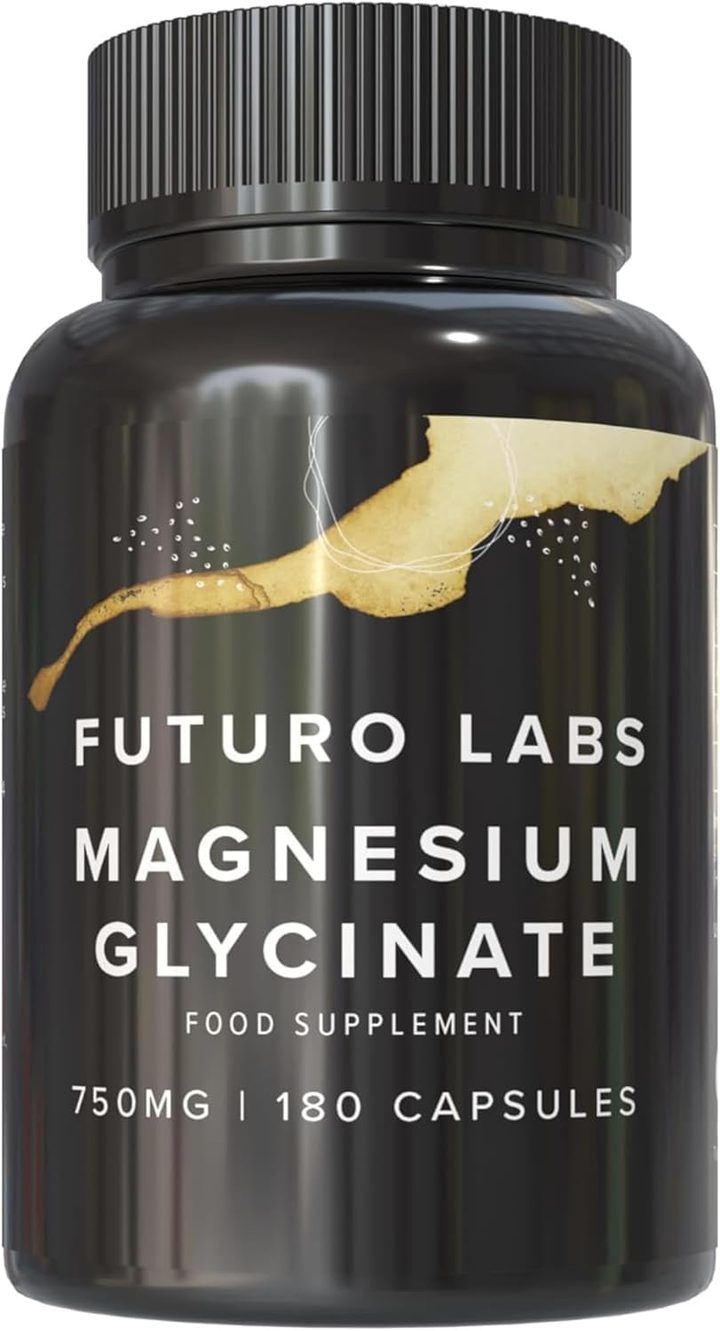
Our brand: the worked example on this page
Futuro Labs Magnesium Glycinate
- 22p a day
- 180 capsules, 2 capsules daily
- Lab tested
- Made in the UK
The route that delivers a measured dose: Futuro Labs Magnesium Glycinate on Amazon UK, bisglycinate by mouth, 300mg elemental at 80% NRV, £19.99 for 90 days at 22p. Full label breakdown. The spray-for-sleep verdict is on the spray page; the accidental-dose triage on the accidental-dose page.
No, because the skin barely absorbs any, and the barrier physiology that explains why
Can you absorb too much magnesium through the skin is answered by the same fact that answers whether you can absorb a useful amount: the skin barely absorbs magnesium at all, so too much is not a possibility, and the physiology explains it. The outer layer of the skin, the stratum corneum, is a lipid-rich barrier evolved to keep water in and water-soluble things out, and a magnesium ion in solution is small in itself but heavily hydrated, carrying a shell of water molecules that makes it large, charged and water-soluble, exactly the kind of particle the barrier is built to exclude, so that magnesium chloride sprayed, rubbed or soaked onto intact skin sits on the surface and in the outermost dead layer and does not reach the blood in meaningful amounts, the transdermal pathway that works for small lipid-soluble drugs like nicotine and some hormones being closed to a hydrated mineral ion. The evidence agrees: the review of transdermal magnesium found no robust evidence that sprays, oils, lotions or baths raise serum or tissue magnesium, the studies claiming absorption being small, uncontrolled or measuring things other than absorption, the sweat-gland and hair-follicle routes sometimes proposed being far too small in area to carry a dose, and the standing verdict on this site's spray, lotion and bath pages being that any felt effect is the rubbing, the warmth and the expectation. A route that cannot deliver a dose cannot deliver an overdose.
The two real effects of sprays and baths, the one genuine Epsom-salt risk, and the question filed
Sprays and baths have two real effects, and neither is absorption. Stinging: concentrated magnesium chloride solution, the magnesium oil that is not an oil, irritates the skin, producing stinging, itching and redness in many users, worse on broken or freshly shaved skin, an effect the marketing reframes as the magnesium going in and that is in fact the salt annoying the surface, resolved by dilution or by stopping. Warmth: an Epsom-salt bath is a warm bath, and a warm bath relaxes muscle, eases stiffness and lowers the stress of a day by the same route a warm bath without salts does, the magnesium sulphate contributing nothing the temperature did not, which is why the bath feels good and the blood magnesium does not move. The one genuine Epsom-salt risk is oral, and it belongs on this page because Epsom salts live in bathrooms: magnesium sulphate swallowed is a potent laxative and, in quantity, a route to hypermagnesaemia even in working kidneys, the accidental-dose page's bottle-scale ingestion, and a child who drinks bathwater from a heavily salted bath or eats the crystals from an open bag is a poisons-service call, while an adult who takes Epsom salts by mouth as a purgative, an old and dangerous practice, is taking grams of magnesium at once and should not. The question filed: you cannot absorb too much magnesium through the skin because you cannot absorb much at all, the barrier excluding a hydrated ion and the evidence finding no meaningful uptake, sprays and baths giving stinging and warmth rather than a dose, and the one genuine Epsom-salt risk being swallowing it, the worked example being the route that delivers a measured dose, by mouth, bisglycinate at 300mg elemental, £19.99 for 90 days at 22p.
| The item | The finding | The consequence |
|---|---|---|
| The barrier | A lipid layer excluding hydrated, charged, water-soluble ions | Magnesium sits on the surface |
| The evidence | No robust evidence of meaningful absorption | Any felt effect is rubbing, warmth, expectation |
| Too much through the skin | Impossible: no dose, no overdose | The question answers itself |
| Sprays and oils | Stinging and itching from concentrated chloride | Dilute or stop; not the magnesium going in |
| Baths | The warmth relaxes; the salt does nothing | A warm bath without salts does the same |
| The genuine Epsom risk | Swallowed: a child, or an adult purgative | A poisons-service call; never by mouth in quantity |
The verdict, a closed route and a bag to keep closed
Can you absorb too much magnesium through the skin: no, because the skin absorbs magnesium negligibly, its lipid barrier excluding a hydrated, charged, water-soluble ion and the transdermal review finding no robust evidence of meaningful uptake from sprays, oils, lotions or baths, so that no dose means no overdose, the two real effects being the stinging of concentrated magnesium chloride and the warmth of a bath, and the one genuine Epsom-salt risk being oral, a child drinking salted bathwater or eating the crystals, or an adult swallowing it as a purgative. The route that delivers a measured dose: Futuro Labs Magnesium Glycinate, by mouth, bisglycinate, 300mg elemental at 80% NRV, £19.99 for 90 days at 22p a day.
What to check on the label
- Trust the barrier: a hydrated ion does not cross intact skin.
- Read the felt effects correctly: stinging is irritation, warmth is the bath.
- Expect no dose and no overdose: the route is closed.
- Keep Epsom salts away from mouths: children, and no purgatives.
- Dose by mouth: the measured route.
Our brand
The worked example: Futuro Labs Magnesium Glycinate
Futuro Labs Magnesium Glycinate is the worked example for magnesium reviews because its label states every number a review needs: 1500mg magnesium bisglycinate at 20%, 300mg elemental, 80% NRV, 2 capsules a day, 180 capsules for £19.99, 22p a day, UK made, vegan HPMC shell, batch tested for lead, mercury, arsenic and cadmium, and only the register's own magnesium claims printed.
- Elemental magnesium per serving
- 300mg (80% NRV)
- Form
- magnesium bisglycinate 20%
- Serving
- 2 capsules a day
- Bottle
- 180 capsules, 90 days
- Price
- £19.99 (22p a day)
- Capsule
- vegetarian shell, vegan product
Questions people also ask
Can an Epsom salt bath give you too much magnesium?
No: intact skin absorbs magnesium negligibly, so a bath cannot deliver a dose, let alone an overdose, and the relaxation is the warm water; the genuine risk is oral, a child drinking heavily salted bathwater or eating the crystals.
Why does magnesium spray sting?
Concentrated magnesium chloride irritates the skin surface, producing stinging, itching and redness, worse on broken or freshly shaved skin, an effect of the salt on the surface rather than a sign of absorption, resolved by dilution or stopping.
Does any magnesium get through the skin at all?
Negligible amounts: the stratum corneum is a lipid barrier that excludes hydrated, charged, water-soluble ions, and the review of transdermal magnesium found no robust evidence that sprays, oils, lotions or baths raise serum or tissue magnesium.
Is it dangerous to drink Epsom salts?
Yes in quantity: magnesium sulphate by mouth is a potent laxative and grams at once can cause hypermagnesaemia even with working kidneys, so the old purgative practice is not advised and any ingestion by a child is a poisons-service call.
What is the safe way to take a magnesium dose?
By mouth, in a measured form: a bisglycinate capsule at 300mg elemental with a meal delivers a known amount by the route the body absorbs, which no spray, oil or bath does.
Sources
- Gröber U, Werner T, Vormann J, Kisters K. Myth or reality, transdermal magnesium? Nutrients 2017;9(8):813. https://pubmed.ncbi.nlm.nih.gov/28788060/
- The hypermagnesaemia literature: raised serum magnesium is rare with normal kidney function and occurs with impaired excretion or massive intake from magnesium laxatives and antacids, presenting with nausea, lethargy, low blood pressure, muscle weakness and slowed heart conduction, and treated in hospital with intravenous calcium and, where needed, dialysis. PubMed record
- The hypermagnesaemia literature: the kidneys excrete surplus magnesium, so supplementation is safe for healthy adults within guidance and warrants medical advice in chronic kidney disease, where impaired excretion allows magnesium to accumulate. PubMed record
- The Food Supplements (England) Regulations 2003 (food supplements are regulated as foods in the UK). https://www.legislation.gov.uk/uksi/2003/1387/contents/made