Ghost Fitness/Collagen/Which type of collagen is best for skin tightening?
Which type of collagen is best for skin tightening?
The short answer
The skin trials only ever ran one horse: type 1 hydrolysates, bovine or marine, at 2.5 to 10g. No type-versus-type comparison exists, tightening is not an authorised word anyway, and the label's lawful skin lines remain vitamin C's and zinc's.
- The fieldone horse: type 1 hydrolysates, bovine or marine
- Type comparisons runzero: no skin trial ever raced type against type
- What a fair race needssame dose, same weeks, same instruments, different types
- The word itselftightening: unauthorised for any supplement regardless
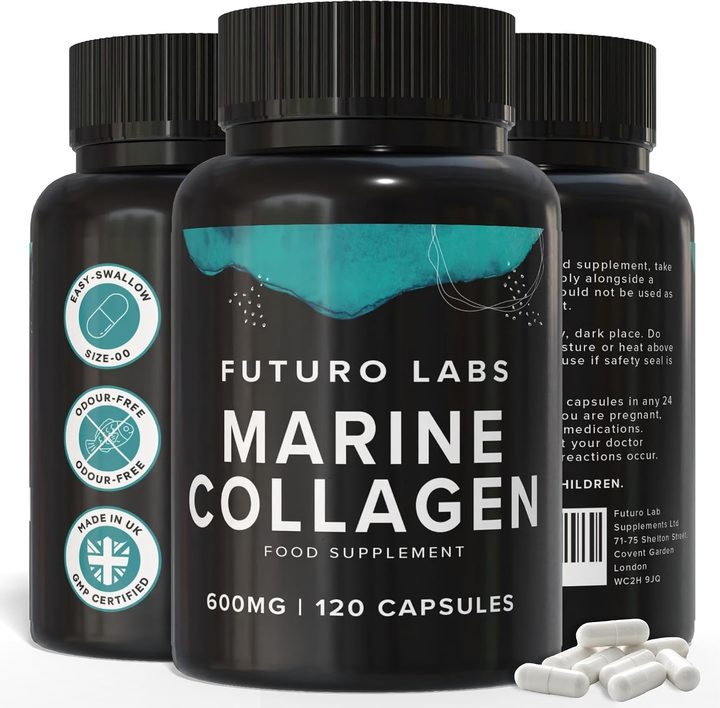
Our brand: the worked example on this page
Futuro Labs Marine Collagen
- 28p a day
- 120 capsules, 2 capsules daily
- Lab tested
- Made in the UK
The horse the literature actually ran, honestly labelled: Futuro Labs Marine Collagen on Amazon UK, 1200mg hydrolysed type 1 marine with vitamin C and zinc at 15% NRV, £16.99 for 60 days at 28p. Full label breakdown. The compound-query dismantle is on the twin page; the trial forms audit on the form page.
The race audited: who actually ran, and why the winner's podium is empty
Ask which type wins for skin and the cleanest audit is of the race itself: go through the skin trial literature, the modest 2.5-to-10g elasticity and hydration studies this section grades on their own pages, and list the runners, and the finding is almost comic in its uniformity, the field was one horse. The trials ran hydrolysed type 1 collagen peptides, sourced from bovine hide or from fish, overwhelmingly and almost exclusively, because type 1 is what skin's dermis is made of, what the industrial supply chain produces at scale, and what every sponsor sells; type 2 never entered, its whole research life being the joint-comfort UC-II story at 40mg undenatured, a mechanism hydrolysis destroys and a tissue, cartilage, that is not skin; type 3 appears only as type 1's natural travelling companion in bovine material, never raced separately; and no study anywhere randomised participants to type 1 versus type 2 versus type 3 and measured skin, meaning the question which type is best for skin is not merely unanswered but unasked, a comparison the literature never staged. A one-horse race produces no rankings: the horse finished, with the modest, small, sponsor-heavy results the skin pages describe, and the podium for best type stands empty because nothing else ever left the gate.
What a fair race would need, and the verdict that stands without one
Naming what a real comparison would require completes the honesty: a fair type race would randomise matched groups to equal doses of different single-type hydrolysates, same grams, same weeks, same instruments measuring the same skin sites, sponsor-independent, replicated, and no such trial exists or is likely, partly because the mechanism argument removes the motive, digestion pooling every type into the same unaddressed peptide supply, so the sensible prior is that a fair race would end in a dead heat, which is precisely why nobody funds one, and why the type premiums on the beauty shelf are priced against a comparison that was never run. The standing verdicts then close the page from both directions. From the word's side: tightening is not an authorised claim for any supplement in any case, the cosmetics-rulebook decode from the firming page applying letter for letter, so even the one horse that ran may not wear the rosette the query offers. From the label's side: the lawful skin vocabulary remains the micronutrients', vitamin C contributing to normal collagen formation for the normal function of skin and zinc maintaining normal skin, hair and nails, at 15% NRV, and the buying answer remains the section's constant, an honestly stated type 1 hydrolysate, which is what the trials used because it is what everything is, chosen by dose, cofactor, testing and pence rather than by a numeral, with sunscreen above the whole conversation and rapid skin changes routed to a GP as ever. The best type for skin tightening is a question with three exits, and every one of them is the same door.
| The runner | Its skin trial record | The finding |
|---|---|---|
| Type 1 hydrolysates, bovine or marine | The entire field: 2.5-10g, modest results | The one horse that ran |
| Type 2 / UC-II | No skin trials: a 40mg joint story, hydrolysis-fatal | Never left the gate |
| Type 3 | Type 1's travelling companion, never raced alone | No separate lane exists |
| Type-versus-type comparisons | Zero, anywhere | The question was never asked, let alone answered |
| The word tightening | Unauthorised for supplements regardless | Even the finisher may not wear the rosette |
| The lawful labelOurs | C and zinc at 15% NRV on stated type 1 | The same door as every exit |
The verdict, called from an empty podium
Which type of collagen is best for skin tightening: the race was never run, the entire skin literature fielding one horse, type 1 hydrolysates from bovine or marine sources at gram scale, with no type-versus-type comparison staged anywhere and the pooled-supply mechanism removing any reason to expect one would separate the field, while the word tightening itself remains a cosmetics claim no supplement may wear. The honest purchase is the horse that actually ran, labelled without pretence: Futuro Labs Marine Collagen, 1200mg hydrolysed type 1 marine with 12mg vitamin C and 1.5mg zinc at 15% NRV, lab tested, UK made, £16.99 for 60 days at 28p a day, bought for its lawful sentences beneath a sunscreen that outranks the whole racecourse.
What to check on the label
- The field was one horse: type 1 hydrolysates, bovine or marine.
- No type race exists: the comparison was never staged.
- A fair race would likely dead-heat: the pooled supply removes the motive.
- Tightening is unauthorised regardless: the cosmetics-word rule holds.
- The lawful lines are C's and zinc's: at 15% NRV, on a stated type 1.
Our brand
The worked example: Futuro Labs Marine Collagen
Futuro Labs Marine Collagen: 2 capsules daily, 1200mg hydrolysed type 1 marine collagen with 12mg vitamin C and 1.5mg zinc (15% NRV each), 120 capsules for £16.99, 60 days at 28p a day, lab-tested, UK GMP made. Slim veggie-shell capsules, odour free. Fish derived: pescatarian, not vegetarian or vegan.
- Collagen per serving
- 1200mg hydrolysed type 1 marine (fish)
- Co-factors
- vitamin C 12mg (15% NRV), zinc 1.5mg (15% NRV)
- Serving
- 2 capsules a day
- Bottle
- 120 capsules, 60 days
- Price
- £16.99 (28p a day)
- Capsule
- slim size 00, veggie shell, odour free
Questions people also ask
Which collagen type do skin studies support?
Only one ever ran: hydrolysed type 1 from bovine or marine sources at 2.5 to 10g, with modest results. No trial anywhere compared types against each other for skin.
Why hasn't a type comparison been done?
The mechanism removes the motive: digestion pools every type into one peptide supply, so a fair race would likely dead-heat, and nobody funds a comparison built to show no difference.
Is marine type 1 better than bovine type 1 for skin?
No comparison crowns either: both are type 1 hydrolysates feeding the same pool, so the choice is diet, testing and price, never skin outcomes.
Can any supplement claim skin tightening?
No: tightening is cosmetics vocabulary, lawful on creams as a surface-effect claim and unauthorised for supplements, where collagen holds no skin entry at all.
What is the honest skin buy then?
Sunscreen first, always: then, if wanted, an honestly stated type 1 hydrolysate carrying the lawful lines, vitamin C and zinc at 15% NRV, tested and fairly priced.
Sources
- The collagen and skin trial literature: randomised studies of oral collagen peptides on skin elasticity and hydration, mostly small, short and industry funded, with no authorised claim resulting. PubMed record
- The undenatured type II collagen (UC-II) trial literature: small randomised studies at 40mg daily against joint outcomes, a different mechanism and dose to hydrolysed collagen, with no authorised claim resulting. PubMed record
- Futuro Labs Marine Collagen listing and label: 1200mg hydrolysed type 1 marine collagen per 2-capsule serving with 12mg vitamin C and 1.5mg zinc at 15% NRV each, 120 capsules, independently lab tested, UK made. https://www.amazon.co.uk/dp/B0C2J7N364
- The collagen peptide trial literature: randomised controlled studies of hydrolysed collagen supplementation across skin, joint and connective-tissue outcomes, typically at 2.5g to 15g daily, with small effects and frequent industry funding. PubMed record